
When Is Tooth Extraction Actually Better Than Trying to Save the Tooth?
Modern dentistry always aims to preserve a patient's natural tooth whenever possible. However, there are clinical situations where extraction becomes the safest and most predictable option. Removing a tooth may help prevent the spread of infection, protect neighboring teeth, and create favorable conditions for restoring the smile with a dental implant or other prosthetic solutions. In modern dental clinics across Dubai, the decision to extract a tooth is made only after comprehensive diagnostics and careful evaluation of the tooth's long-term prognosis.
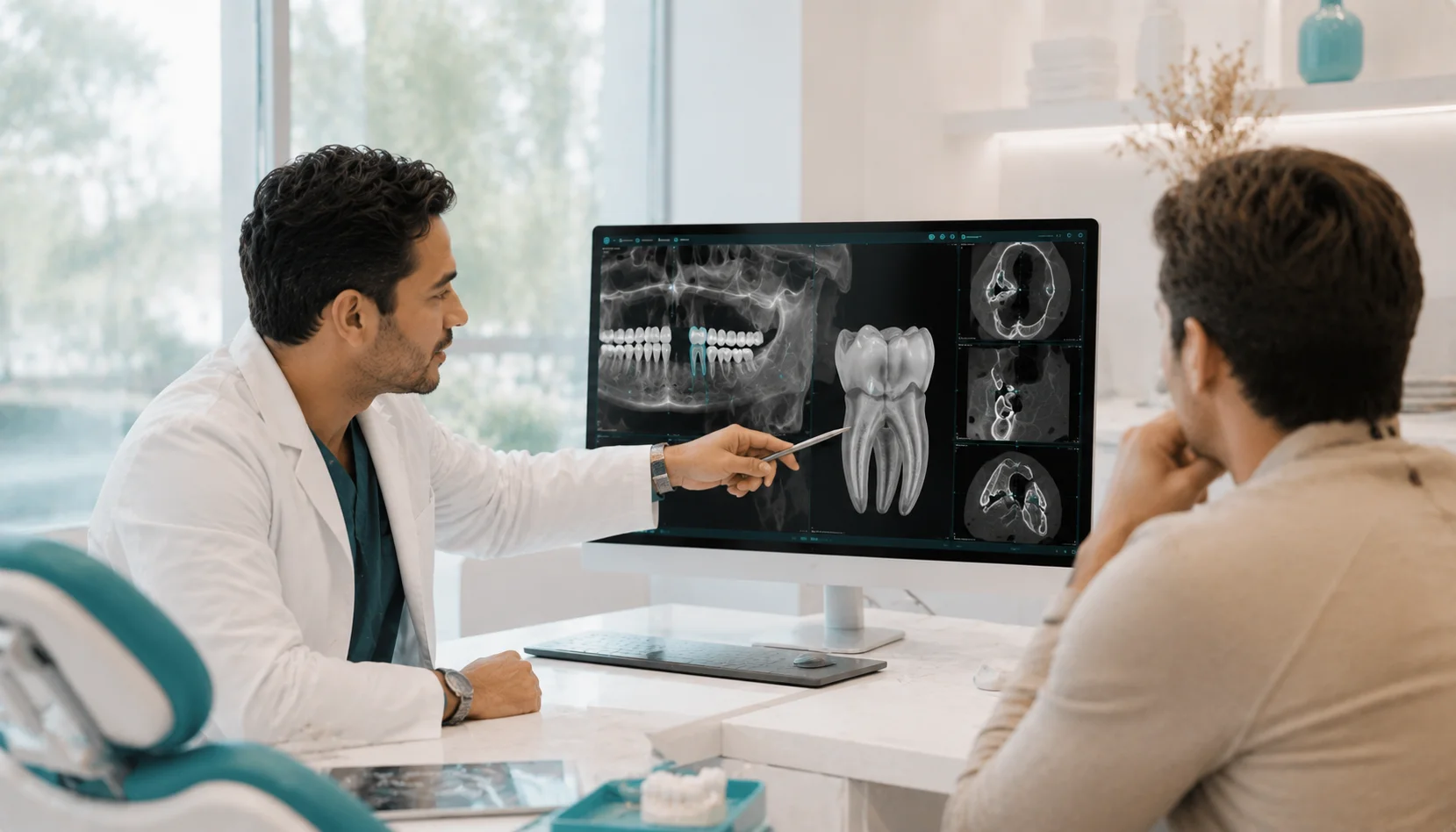
Why Do Dentists Try to Save Natural Teeth?
A natural tooth remains the most functional part of the oral system.
Preserving it helps:
- maintain natural chewing function;
- preserve jawbone volume;
- ensure proper distribution of biting forces;
- minimize the extent of future treatment.
For this reason, extraction is considered only when the possibilities for successful restoration are limited or no longer predictable.
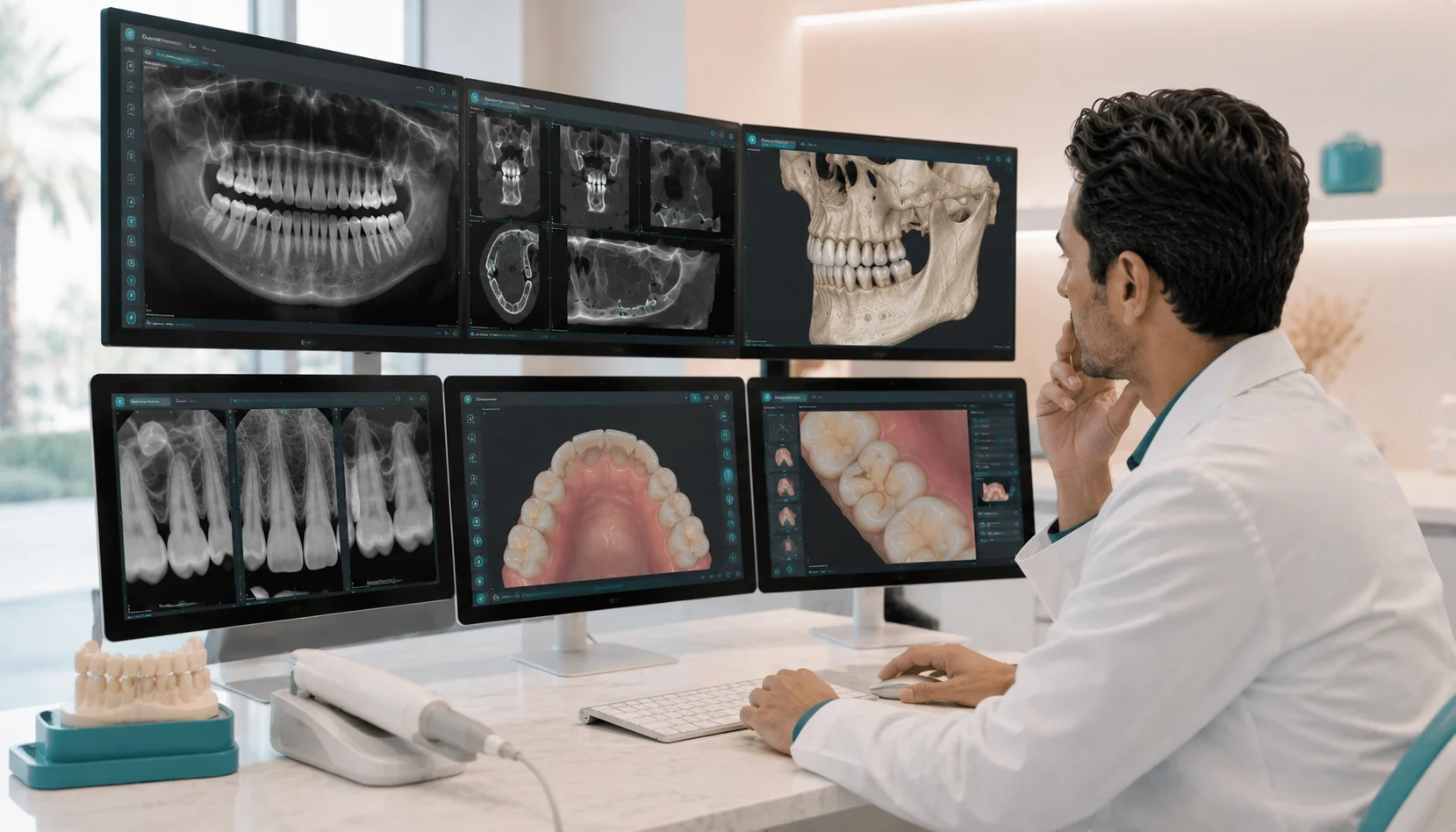
When Is Tooth Extraction the Better Option?
Despite major advances in modern dentistry, some conditions make long-term tooth preservation unlikely.
The most common indications include:
- extensive destruction of the tooth crown;
- vertical root fracture;
- severe root damage extending below the gum line;
- advanced infection that cannot be predictably treated;
- significant tooth mobility caused by advanced periodontal disease;
- inability to achieve reliable restoration after multiple previous treatments.
Every case is evaluated individually following a comprehensive examination.
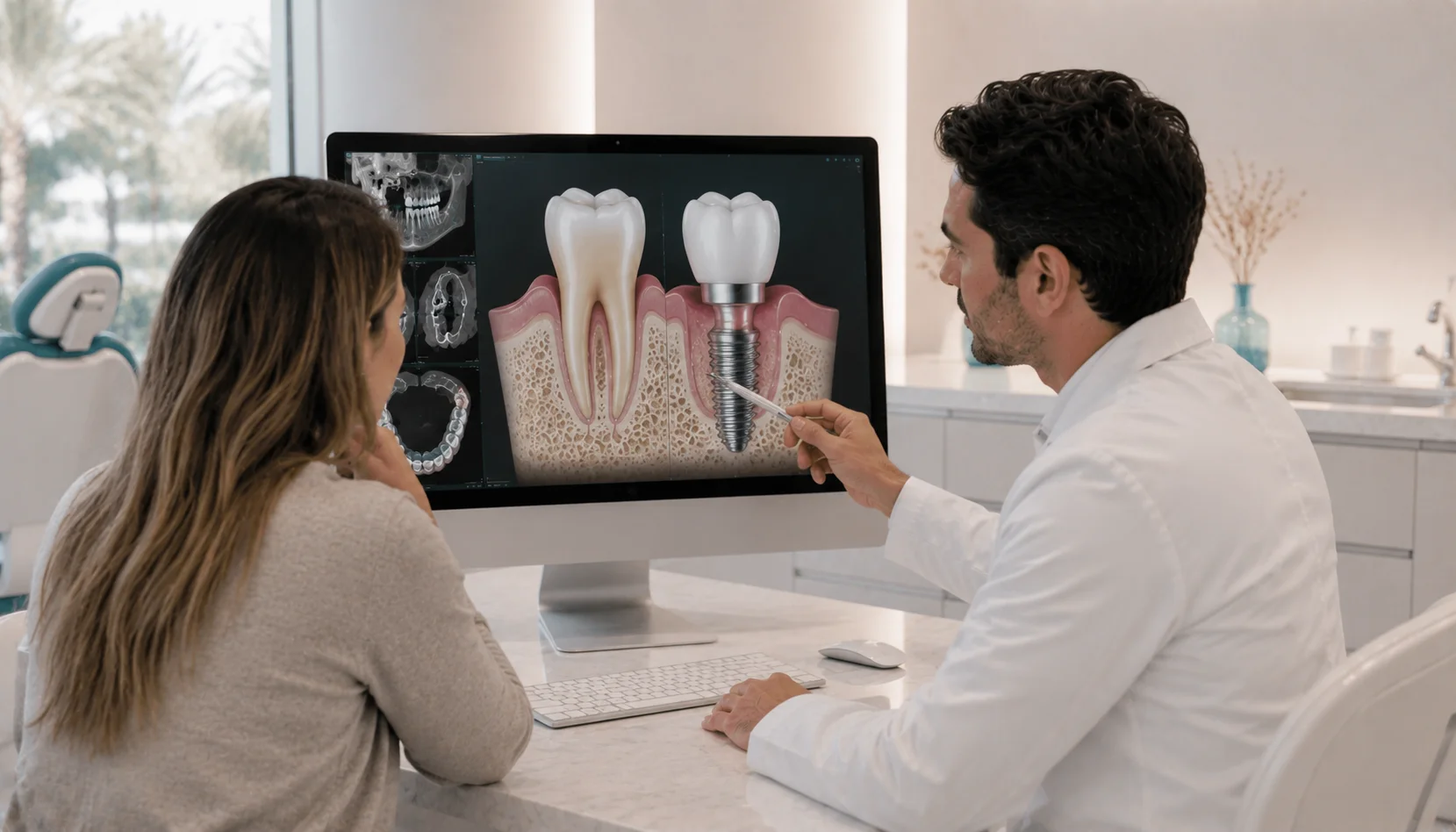
Can a Tooth Be Saved After a Severe Infection?
In many situations, modern endodontic treatment can successfully manage even complex infections.
However, extraction may be recommended if:
- infection repeatedly returns;
- the tooth root has fractured;
- insufficient healthy tooth structure remains;
- the long-term prognosis is considered poor.
The dentist's primary goal is always to recommend the treatment that offers the greatest long-term stability.

What About Wisdom Teeth?
Not every wisdom tooth needs to be removed.
Extraction may be recommended when:
- the tooth is incorrectly positioned;
- there is insufficient space for eruption;
- recurrent inflammation occurs;
- the adjacent tooth is being damaged;
- a cyst develops;
- orthodontic treatment requires additional space.
If the wisdom tooth has fully erupted, functions normally, and causes no problems, preserving it may be appropriate.
How Is the Decision Made?
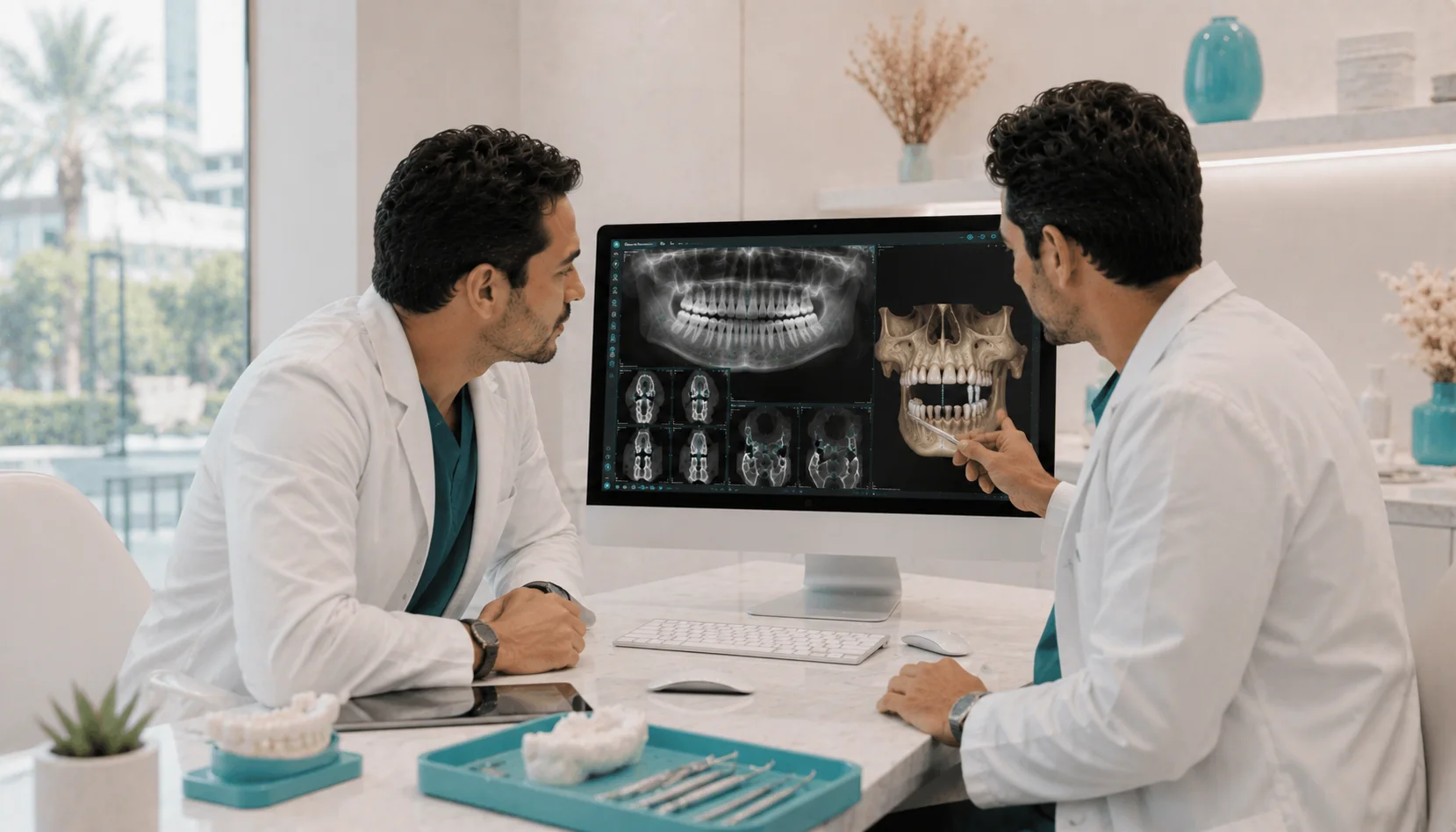
Modern diagnostic technologies allow dentists to evaluate each tooth objectively.
Assessment typically includes:
- clinical examination;
- digital dental X-rays;
- CBCT imaging;
- evaluation of surrounding bone;
- bite analysis;
- digital treatment planning.
In dental centers throughout Dubai, digital technologies help evaluate not only the current condition of the tooth but also its long-term prognosis.
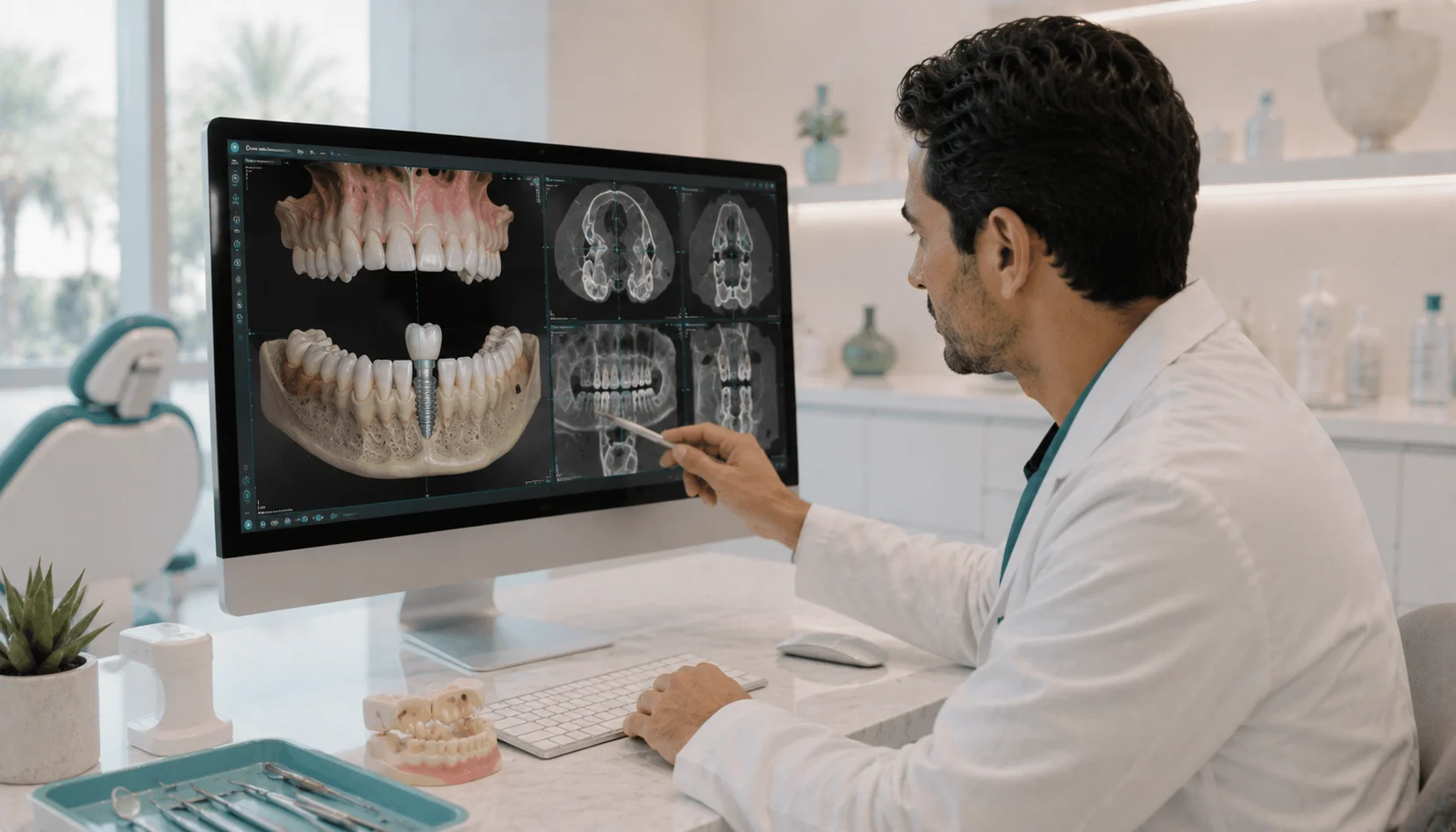
What Happens After Tooth Extraction?
Extraction is only one stage of treatment.
Depending on the patient's needs, the dentist may recommend:
- socket preservation;
- temporary tooth replacement;
- future dental implant placement;
- a dental bridge;
- orthodontic treatment when indicated.
Planning restoration early helps preserve bone volume and simplify future treatment.
Why Is Extraction Sometimes the Better Long-Term Choice?
Repeated attempts to save a tooth with an unfavorable prognosis may lead to:
- recurring infections;
- multiple additional procedures;
- prolonged treatment;
- deterioration of surrounding tissues;
- more complicated implant treatment in the future.
In some cases, timely extraction helps prevent more significant complications later.
Comparing the Two Approaches
Saving the Tooth |
Extraction and Future Restoration |
| Preferred when the long-term prognosis is favorable | Considered when long-term prognosis is poor |
| Preserves the natural tooth | Eliminates the source of chronic disease |
| May require complex restorative treatment | Creates favorable conditions for modern implant therapy |
| Requires predictable long-term stability | Allows restoration to be planned in advance |

Modern dentistry does everything possible to preserve natural teeth whenever a predictable long-term result can be achieved. However, in certain situations, extraction becomes the safest and most effective solution. Comprehensive diagnostics allow dentists to accurately evaluate the prognosis and recommend the treatment approach that best protects your long-term oral health, function, and smile.
If you have been advised to remove a tooth or would like a second opinion before making your decision, contact Factor Smile in Dubai. Our specialists use advanced digital diagnostics to carefully evaluate every clinical situation, explain all available treatment options, and help you choose the solution that offers the best long-term outcome for your oral health.
Frequently Asked Questions