
When Can a Tooth Be Saved and When Is It Better to Replace It? How the Decision Between Treatment and Implantation Is Made
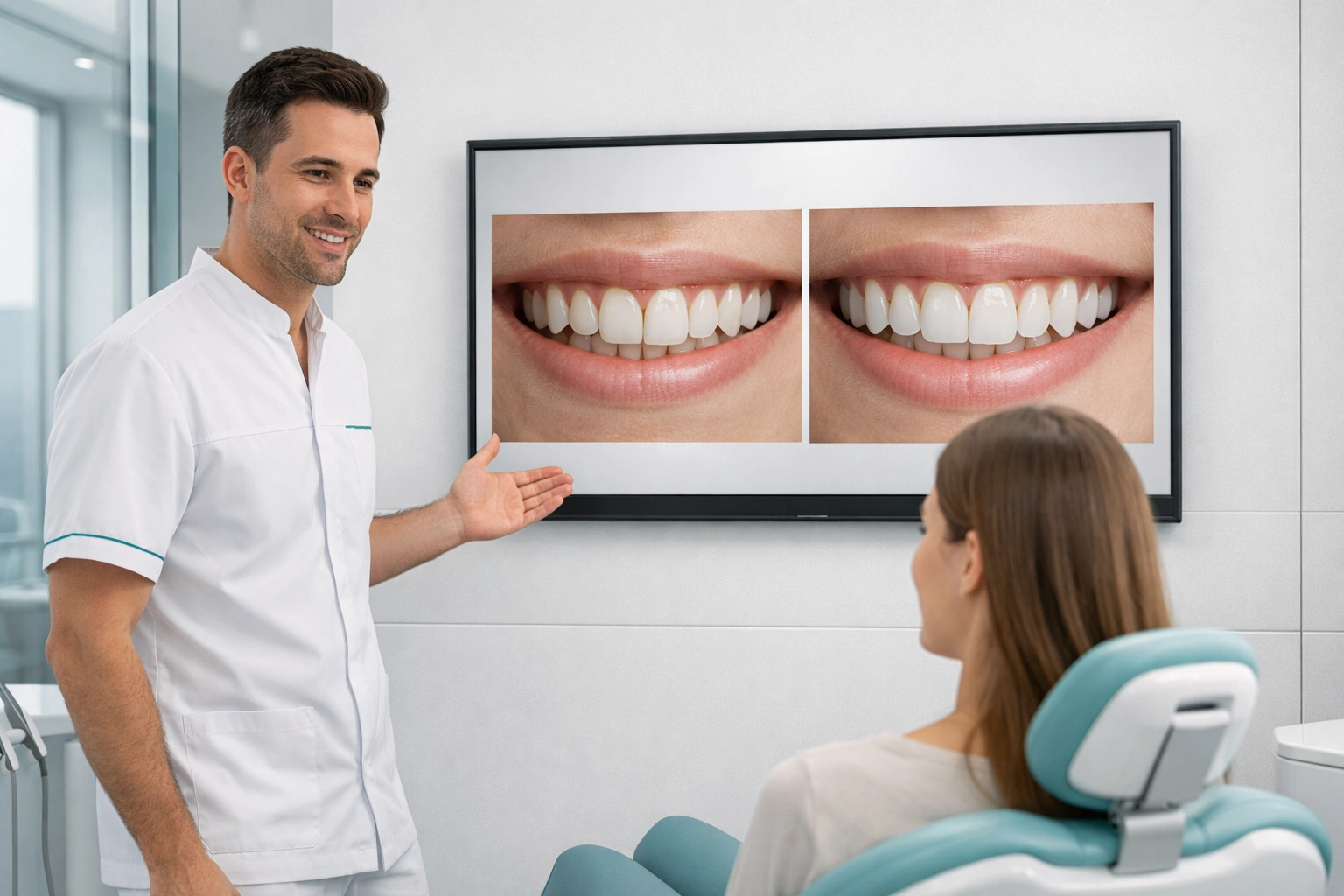
A natural tooth is preserved whenever it is medically safe and predictable to do so. Implant placement is considered when root damage, advanced mobility, fractures, or chronic infection make long-term preservation unreliable. The final decision is based on clinical examination, 3D diagnostics, and assessment of long-term stability.
In modern dentistry in Dubai, preserving the patient’s natural tooth structure remains the priority; however, long-term prognosis and safety are the key determinants in treatment planning.
The Modern Principle of Dentistry: Preserve When Safe
A natural tooth provides physiological shock absorption, sensory feedback, and optimal load distribution. For this reason, conservative treatment is evaluated first whenever possible.
A tooth can typically be preserved if:
- the root has no vertical fracture;
- infection can be managed through endodontic treatment;
- sufficient bone support remains;
- there is no critical mobility;
- the crown portion can be predictably restored.
If the prognosis is uncertain or the risk of repeated complications is high, extraction followed by implant placement may be recommended.
When Is Tooth Preservation Justified?
1. Caries and Crown Destruction
If the root remains healthy, the tooth can often be restored with a post-and-core buildup and crown.
2. Pulpitis and Periodontitis
Modern root canal treatment performed under magnification allows elimination of infection and long-term tooth retention.
3. Limited Crown Fracture
If the fracture does not extend into the root, restorative treatment may be successful.
4. Controlled Periodontal Disease
When gum and bone support are stabilized, the tooth may be maintained with appropriate periodontal care.
When Is Implantation Preferable?
In certain cases, extraction and implant placement provide a more predictable long-term solution.
Main Indications
- vertical root fracture;
- grade III mobility;
- root destruction below bone level;
- repeated unsuccessful endodontic treatments;
- severe bone loss;
- chronic infection not responding to therapy.
In advanced dental clinics in Dubai, treatment decisions are made after CBCT analysis to objectively assess bone volume and anatomical factors.
Comparison: Tooth Treatment vs. Implant Placement
Criterion |
Tooth Preservation |
Implant Placement |
| Biological integrity | Natural structure maintained | Artificial replacement |
| Longevity | Depends on tissue condition | Long-term with proper planning |
| Risk of reinfection | Possible | Minimal with stable bone |
| Procedure invasiveness | Often less invasive | Surgical intervention required |
| Treatment duration | May be shorter | May involve multiple stages |
The choice depends not only on the current condition but also on the projected prognosis over the next 10–15 years.
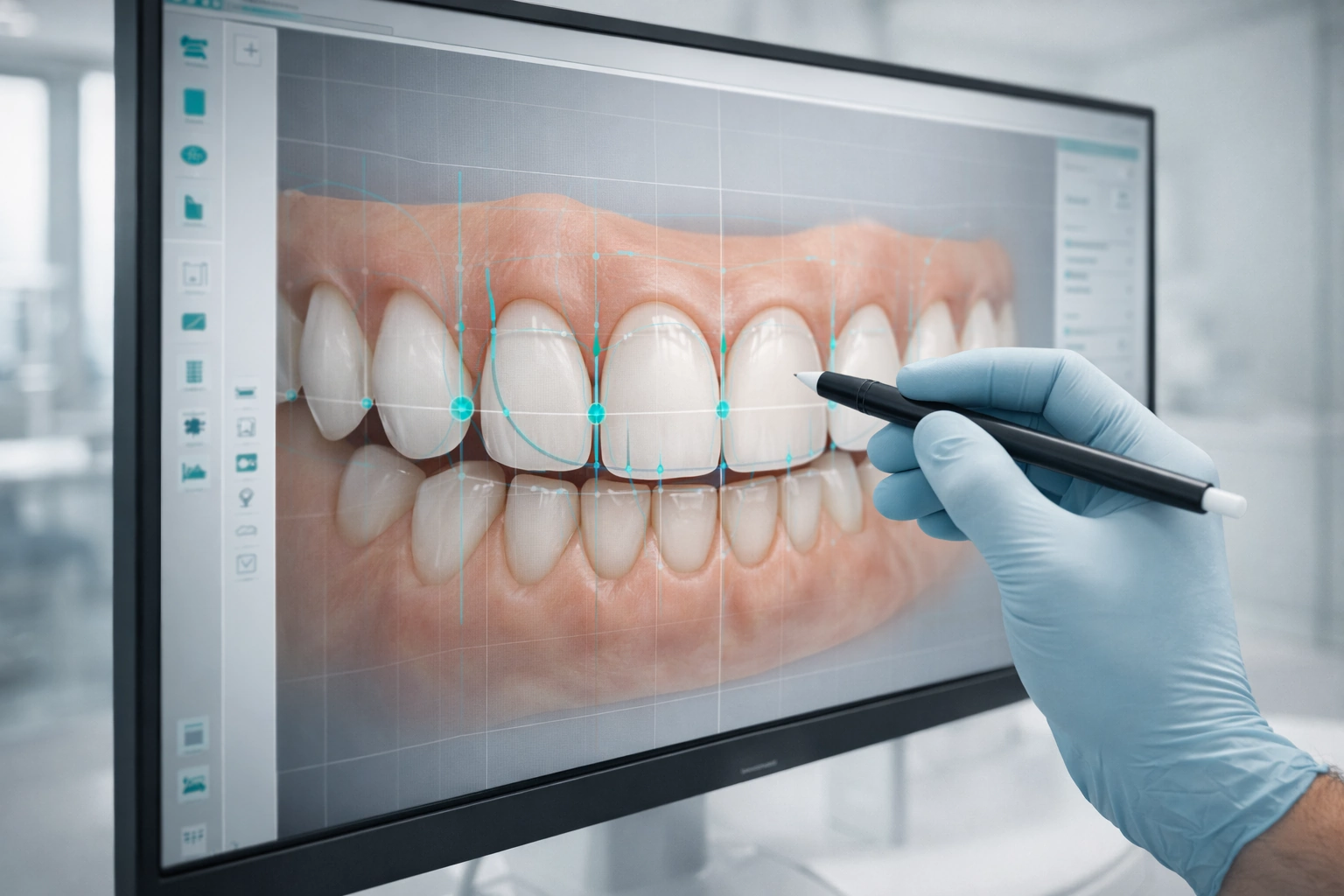
The Role of 3D Diagnostics in Decision-Making
Comprehensive evaluation includes:
- clinical examination;
- radiographic imaging;
- CBCT (3D scan);
- assessment of gum and bone health;
- occlusal (bite) analysis.
Digital planning allows clinicians to evaluate both scenarios — tooth preservation and implant replacement — and select the option with the most stable long-term outcome.

Factors Influencing the Choice
- Patient’s age.
- Overall systemic health.
- Presence of chronic conditions.
- Oral hygiene level.
- Available bone volume.
- Long-term treatment prognosis.
In some cases, temporary preservation of a compromised tooth may only delay inevitable implant placement, which may not always be the most rational long-term approach.
The decision between preserving a tooth and replacing it with an implant is never universal. It requires individualized clinical analysis aimed at ensuring function, stability, and long-term oral health.
If you are in Dubai and would like an objective evaluation of your tooth condition, contact Factor Smile clinic. Our specialists will perform comprehensive diagnostics, explain all available treatment options, and help you make a well-informed decision tailored to your clinical situation.
Frequently Asked Questions