Why Replace Old Fillings and What Materials to Choose Instead?
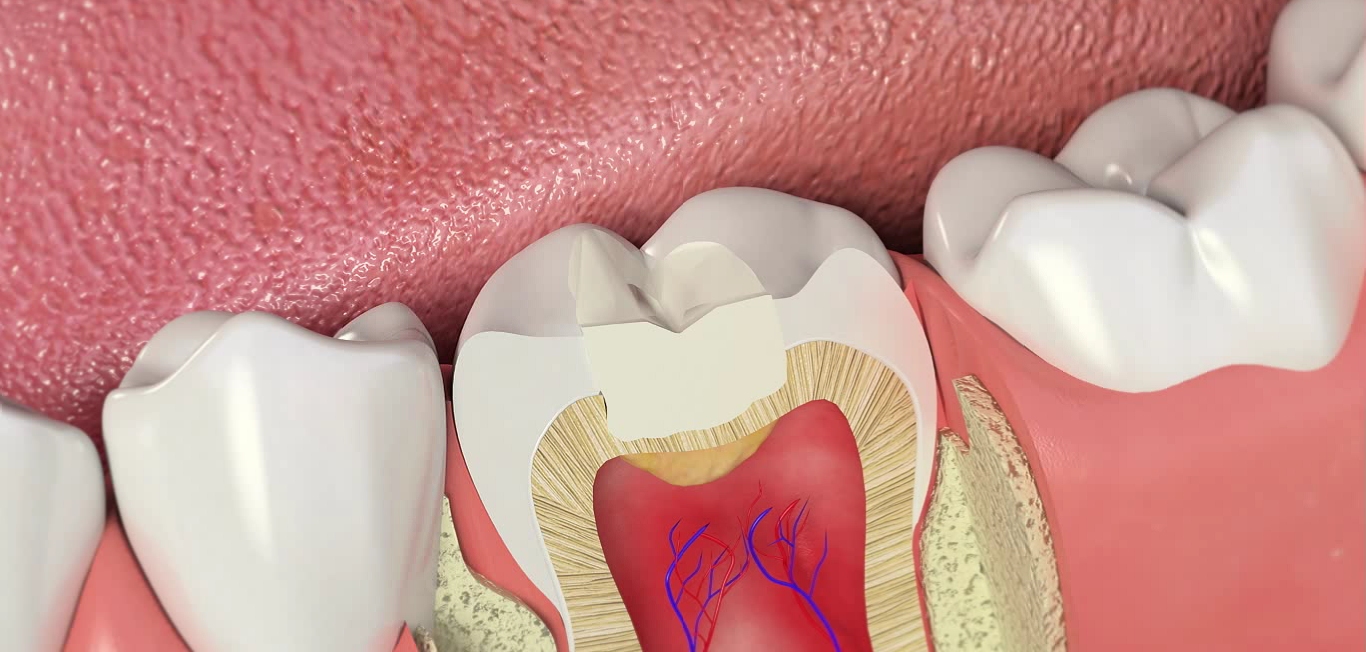
Over time, even high-quality dental fillings can lose their seal and lead to secondary decay or tooth damage. In dental practice in Dubai, replacing old fillings is recommended when microcracks appear, discoloration occurs, the seal is compromised, or discomfort is felt while chewing. Modern materials not only restore tooth function but also provide high aesthetics that closely mimic natural tooth structure.
Why Replace Old Fillings?
Old fillings can become a source of discomfort and even harm your dental health. Key reasons for replacement include:
- Material wear: Over time, fillings can wear out, crack, or lose their seal, increasing the risk of bacteria infiltration and tooth decay.
- Cracks and fractures: Even minor damages can lead to tooth destruction or tissue infection.
- Discoloration: Old fillings may darken over time, becoming noticeable and affecting the aesthetics of your smile.
- Allergic reactions: Materials used in the past may trigger allergies or other undesirable reactions.
Modern Materials for Filling Replacement
Today’s dentistry offers a wide range of filling materials, known for their durability, aesthetics, and safety. The most popular options include:
- Composite materials: A highly popular choice due to their natural appearance. Composites can be matched to the exact color of your teeth.
- Ceramics: A durable and aesthetically pleasing material ideal for restoring front teeth. Ceramic fillings resist staining and maintain their structure for years.
- Amalgam: Although less commonly used, it remains one of the strongest materials, particularly for molars. However, its use is declining due to mercury content concerns.
- Glass ionomer cement: Mainly used for temporary fillings or in pediatric dentistry. These materials are biocompatible and release fluoride to prevent decay.
How to Choose the Best Material?
The choice of material depends on several factors:
- Tooth location: For front teeth, aesthetics are crucial, so ceramics or composites are preferred. For molars, durable materials like amalgam or ceramics are better.
- Budget: Composite and glass ionomer fillings are budget-friendly, while ceramics are more expensive.
- Health considerations: If you have allergies or sensitivity, consult your dentist to find the most suitable material.
When Should Fillings Be Replaced?
Replacing fillings is necessary if you notice the following symptoms:
- Pain or sensitivity around the filling.
- Discoloration or cracks in the filling.
- Bleeding gums near the filling.
- Bad breath caused by filling deterioration.
If you experience any of these signs, it’s best to visit your dentist as soon as possible.
Conclusion
Timely replacement of old fillings helps prevent serious dental issues and maintains the health of your teeth. At our clinic, you can receive professional advice, choose the best material, and replace your fillings using the latest technologies. Take care of your smile — it’s worth it!