Periimplantitis — how to prevent inflammation around the implant

Dental implantation is one of the most reliable and durable methods to restore a smile. However, even with ideal installation, there is a risk of complications, one of which is periimplantitis. This is an inflammatory process developing around the dental implant, which, if not treated in a timely manner, can lead to its loss. In this article, specialists from the Factor Smile clinic in Dubai will tell you how to recognize and prevent inflammation so that implants serve for many years without problems.
What is periimplantitis?
Periimplantitis is an inflammatory process affecting the soft and bone tissues surrounding the dental implant. It develops as a result of the activity of bacteria that accumulate in the area of the junction of the gum with the crown and gradually penetrate deeper, causing inflammation. At the initial stage, the disease may show almost no symptoms: slight redness, slight swelling, or slight discomfort when biting — signs that many do not pay attention to. However, without treatment, inflammation progresses, destroys the bone, and over time may lead to mobility or even loss of the implant.
In essence, periimplantitis can be called "periodontitis around the implant." The nature of the disease is the same — pathogenic microorganisms present in dental plaque and calculus. The difference is that a natural tooth has a ligamentous apparatus and its own biological protection, while an implant is an artificial structure. Therefore, any inflammation in its area progresses faster and more aggressively than around a living tooth.
It is important to understand that the implant itself does not cause inflammation — it is completely biocompatible. The problem arises when plaque accumulates on its surface or in the area of the gingival margin, which eventually turns into hard calculus. Under it, bacteria multiply, and the body launches an inflammatory reaction in response. Without timely professional cleaning or correct home hygiene, this process gradually destroys the bone around the implant, shortening its service life.
Periimplantitis is not a sentence, but a signal that the balance in the oral cavity is disrupted. If the first symptoms are noticed in time and a dentist is consulted, it is possible to save the implant and avoid serious consequences. Modern dentistry, especially in clinics like Factor Smile in Dubai, allows effectively to stop inflammation at an early stage using laser and antiseptic techniques, without resorting to surgical intervention.
Why inflammation develops around the implant
Even the most reliable implant, installed under ideal conditions, is not immune to the risk of inflammation. Periimplantitis can occur months or even years after surgery — it all depends on how carefully the patient follows the doctor's recommendations and takes care of the oral cavity. Understanding the causes not only helps to treat inflammation but also effectively prevent its development.
The main factors contributing to the development of periimplantitis:
- Improper oral hygiene — the main provoking factor. It is easy to form a micro-gap in the area of the junction of the implant and the gum, where food residues and bacteria accumulate. Without regular cleaning and the use of an irrigator, ideal conditions for inflammation are created. Even a slight plaque can lead to serious consequences if it is not removed in time.
- Errors in implant installation — incorrect angle or depth of fixation, excessive pressure during screwing, violation of sterility during the operation. All this can cause micro-trauma to the bone tissue or its overheating, which reduces the implant's resistance and increases the risk of inflammation in the future. Therefore, it is important to entrust the installation only to experienced surgeons and clinics with modern equipment, such as Factor Smile.
- Smoking — one of the hidden enemies of implantation. Nicotine narrows blood vessels, worsens tissue blood supply, and slows down healing. As a result, the gums become less resistant to infections, and the body's immune response decreases. The risk of periimplantitis is two to three times higher in smokers than in non-smokers.
- Periodontal diseases before implantation — if gingivitis or periodontitis is not treated before the implantation, the remaining pathogenic bacteria may become active again. Inflammation "transfers" to the area of the implant, gradually destroying tissues, even if the operation was perfect.
- Systemic diseases — diabetes, anemia, hormonal and endocrine disorders affect metabolism and the body's ability to recover. In such patients, inflammatory processes are more severe and require more careful control.
- Implant overload — an incorrect bite, uneven distribution of load, or too rapid introduction of the implant into operation can lead to microcracks and tissue irritation. This often happens especially if the patient chews only on one side or clenches their jaws strongly while sleeping (bruxism).
In addition, factors such as poor-quality prosthetic constructions, lack of regular preventive examinations, and failure to use special care products for implants can influence the development of inflammation. The combination of several factors significantly increases the risk of periimplantitis, so it is important to adhere to a comprehensive approach to care and monitoring the condition of the gums after the implant is placed.
How to recognize periimplantitis in the early stages
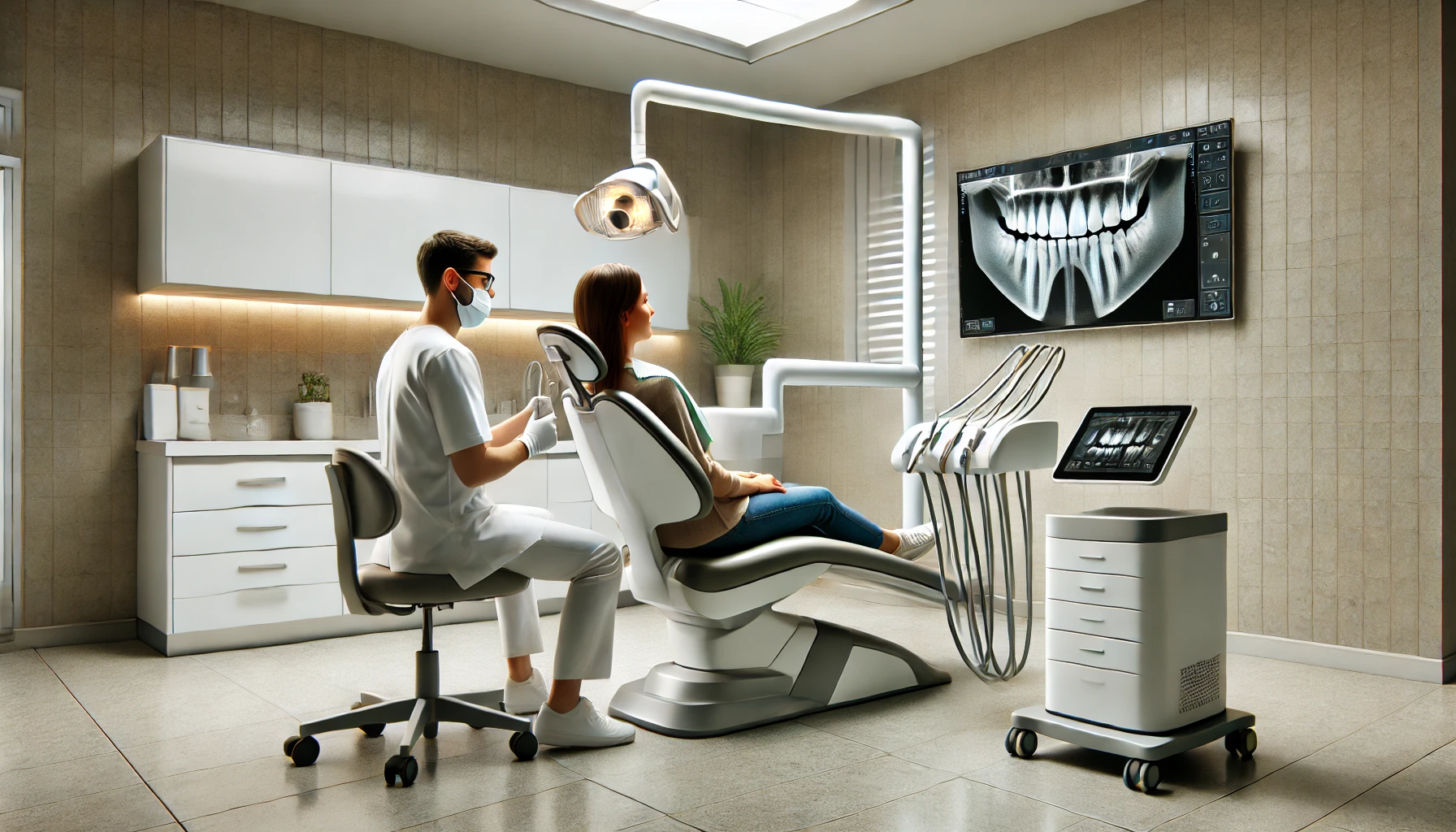
The main difficulty with periimplantitis is that it develops slowly and unnoticed. At an early stage, a person may feel completely healthy, but inflammation is already destroying the tissues around the implant. Only attentive attention to the body's signals and regular visits to the dentist help detect the problem in time.
The first signs of concern may include:
- Redness, swelling, and tenderness of the gum in the implant area — even slight irritation should not be ignored, especially if it does not go away after several days.
- Unpleasant odor or taste in the mouth — a result of bacterial activity in the area of inflammation.
- Bleeding when brushing teeth or using floss — the first sign of inflammation of soft tissues.
- Mobility of the implant — a dangerous symptom indicating the loss of bone support. In this case, it is important to seek medical attention immediately.
- Discomfort when chewing or a feeling of "foreignness" in the mouth — evidence that the inflammatory process has already affected deeper structures.
- Change in gum color — a pale, gray, or bluish tint indicates a disruption of blood circulation and the development of inflammation under the surface of the tissues.
Even if the symptoms seem minor, do not wait for them to "go away on their own." The sooner the patient turns to the specialists at Factor Smile, the higher the chance of preserving the implant without complex intervention. Regular diagnostics and preventive examinations are the best protection against periimplantitis.
Prevention of periimplantitis
The main secret to the health of implants is regular prevention. Here are the main recommendations of the specialists at the Factor Smile clinic:
1. Maintain ideal hygiene
Use a soft toothbrush, interdental brushes, and an irrigator. Pay special attention to the area between the implant and the gum — that's where plaque often accumulates. Regular use of antiseptic mouthwashes helps reduce the number of bacteria.
2. Visit the dentist every 3–6 months
Even if there are no complaints, it is important to undergo professional cleaning. The dentist will remove plaque and calculus from hard-to-reach areas and check the condition of the gums and bone tissue around the implant. At the Factor Smile clinic, gentle ultrasonic and air-abrasive systems are used, which are safe for implants.
3. Monitor the load on the implant
It is not recommended to crack nuts, open packaging with teeth, or chew too hard food. If you feel discomfort, you need to check your bite — it may be that the crown needs adjustment.
4. Quit smoking
This is not just advice, but one of the most important conditions for the long service life of the implant. Smoking worsens blood supply to tissues and creates ideal conditions for the development of inflammation.
5. Monitor your overall health
An implant is part of the body. If there are chronic diseases, it is important to keep them under control. Regular examinations and consultations will help avoid complications.
Treatment of Periimplantitis
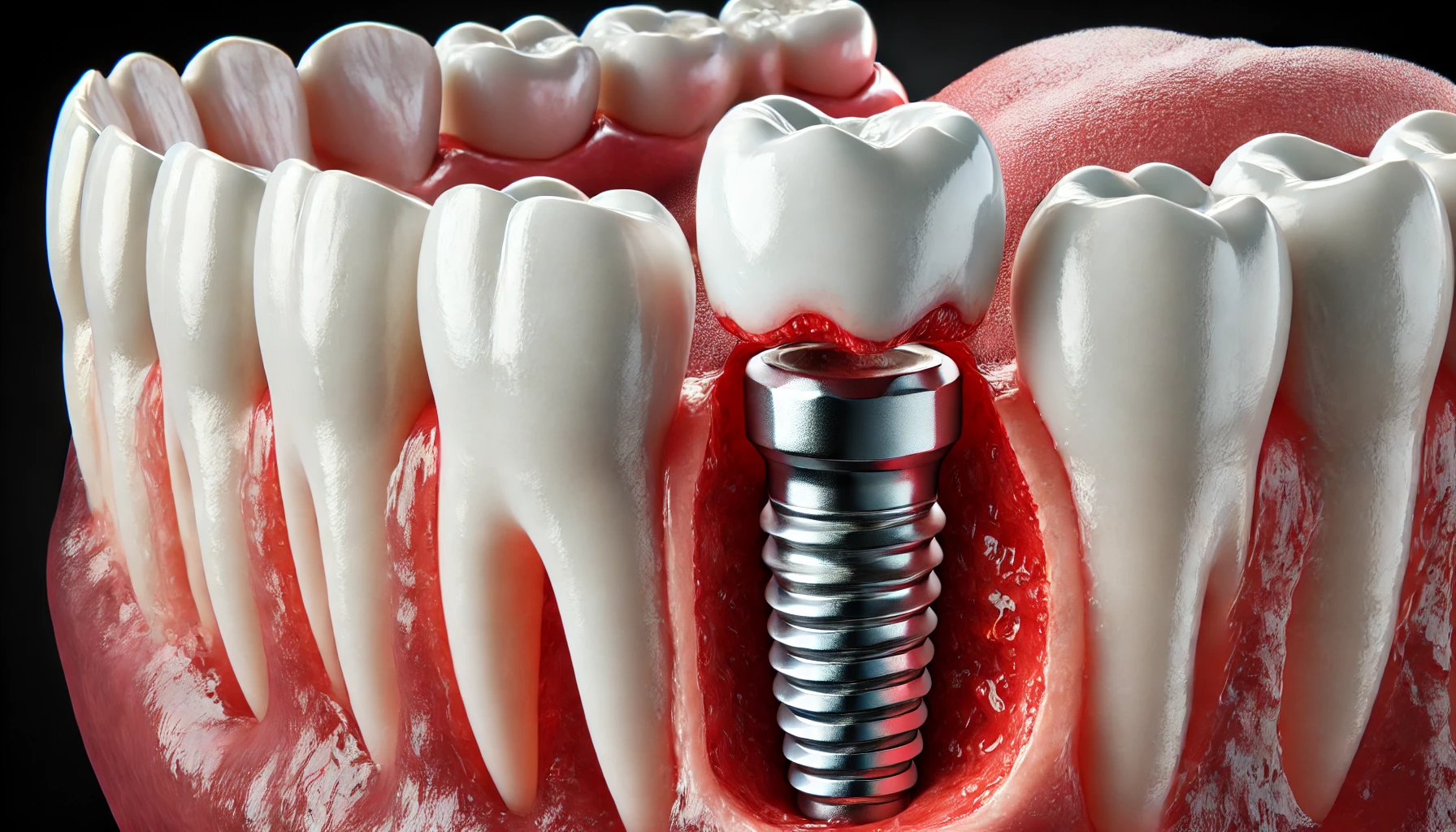
If inflammation has developed, it is important not to delay. Treatment depends on the stage of the disease:
- Early stage — professional cleaning, polishing the surface of the implant, and antiseptic treatment are carried out. Sometimes, a course of antibiotics is prescribed.
- Intermediate stage — laser or surgical debridement of tissues is required. At the Factor Smile clinic, minimally invasive laser technologies are used, which allow inflammation to be eliminated without pain and incisions.
- Advanced stage — in case of significant bone tissue loss, bone grafting or implant replacement may be necessary.
The main thing is not to wait until inflammation destroys the bone. Modern methods allow to preserve the implant if you seek help in time.
Why it is worth entrusting implants to Factor Smile clinic
The Factor Smile clinic in Dubai brings together an international team of dentists who have completed training in Europe and the USA. Here, innovative diagnostic and treatment technologies are used, as well as state-of-the-art equipment — from 3D tomography to painless laser systems. Doctors not only install implants but also accompany the patient at all stages — from preparation to regular preventive examinations.
We do everything to make treatment as comfortable as possible: modern interior, soft lighting, caring attitude of the staff — every detail is thought out for your peace of mind. And the flexible payment system and loyalty programs make quality dentistry accessible to everyone.
Book a consultation at Factor Smile
Do not delay taking care of your health. If you already have implants or are only planning implantation, book a preventive examination at the Factor Smile clinic in Dubai. Our specialists will help keep your implants healthy for many years, prevent inflammation, and give you a confident, natural smile.
Factor Smile — a place where modern technology meets care for every patient.