
Can Implants Be Placed with Periodontitis
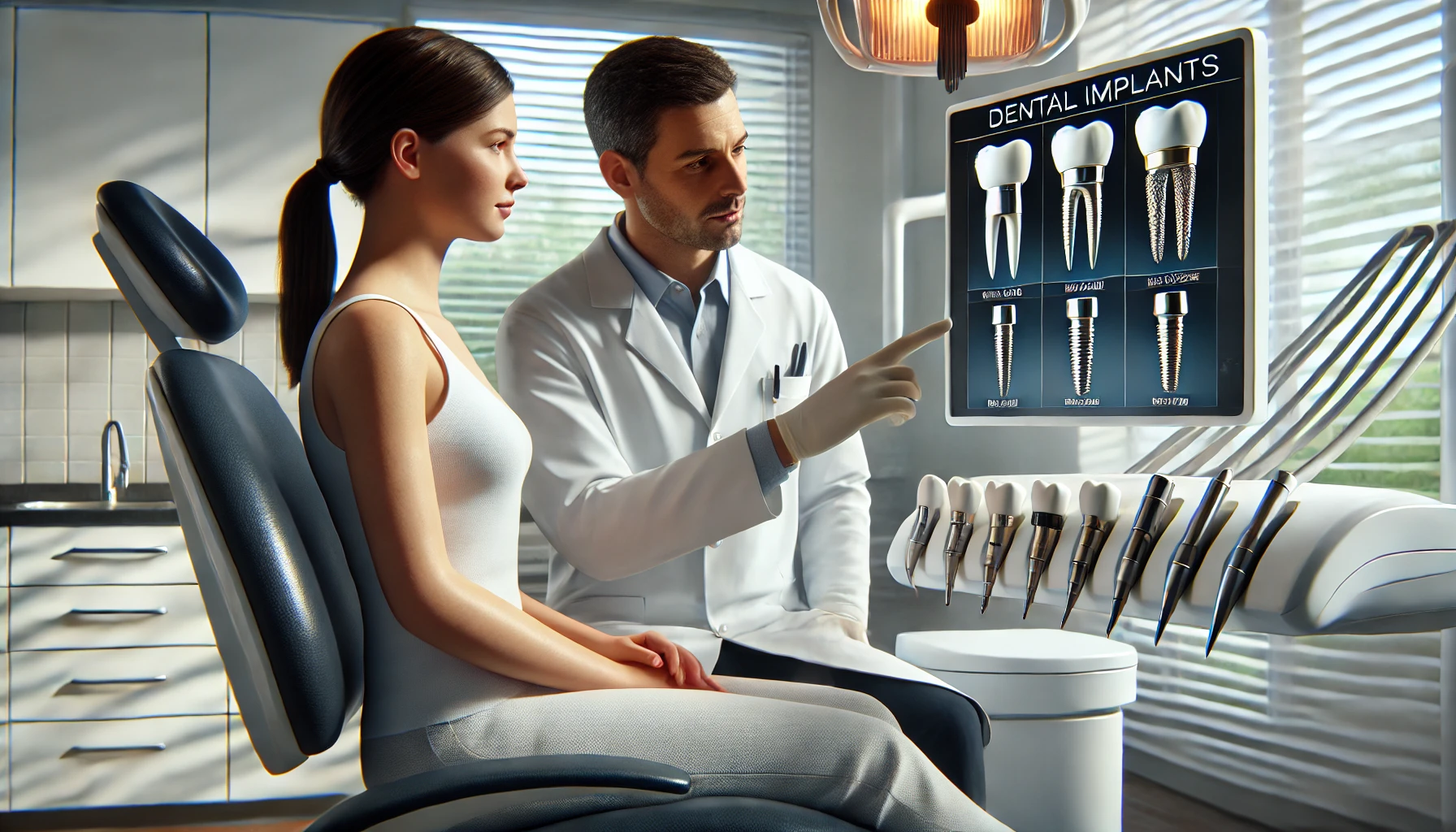
Dental implantation is one of the most reliable methods to restore lost teeth. But what should patients with gum diseases do? The question "can implants be placed with periodontitis" concerns many people, as this disease is widespread and can lead to tooth loss. The doctors of the Factor Smile clinic in Dubai share their experience and tell about the cases when implantation is possible, the risks that exist, and the modern methods that allow successfully dealing with the problem.
What is Periodontitis in Simple Words
Periodontitis is a chronic inflammatory disease of the periodontal tissues, that is, the entire complex of structures that hold the tooth in the jaw: gums, ligaments, and bone tissue. The disease develops gradually and often remains undetected in the early stages.
Primary Signs of Periodontitis
- blood loss from the gums during brushing or eating;
- bad breath and a feeling of plaque;
- gum recession and visual elongation of the teeth;
- exposure of roots and increased sensitivity;
- loosening of teeth and their gradual falling out.
What is the Dangers of Periodontitis
The main threat of the disease lies in the fact that it affects not only soft tissues but also bone. It is the bone tissue that is the key support when installing dental implants.
Why is This Important for Implantation
- It is impossible to install an implant without bone grafting in the case of significant bone loss.
- Active inflammation increases the risk of implant infection.
- A lack of support leads to instability and possible rejection of the implant.
When Implantation is Possible
Implantation with periodontitis is possible only after comprehensive treatment and stabilization of the disease.
Preparation Stages
- elimination of inflammation and oral cavity sanitation;
- professional teeth cleaning and removal of dental calculus;
- laser or medication therapy if necessary;
- evaluation of bone condition and planning of implantation.
Only after the inflammation is eliminated and the tissues are stabilized, can one proceed to the installation of the implant. This approach allows to minimize risks and ensure the longevity of the result.
Can Implants Be Placed with Periodontitis
Yes, implantation is possible with periodontitis, but only if the inflammation is fully under control. Otherwise, the risk of implant rejection is very high. Before installation, the doctor necessarily conducts diagnostics and comprehensive treatment of the gums to create favorable conditions for the artificial root to take root.
The action algorithm is usually as follows:
- initial diagnosis (examination, X-ray, 3D scanning, analysis of gum condition);
- treatment of periodontitis (cleaning, laser therapy, medication treatment);
- evaluation of bone condition and tissue volume for implant installation;
- planning the operation using digital technology.
Risks of Implantation with Untreated Periodontitis
If periodontitis is not fully treated and inflammation remains active, the likelihood of successful implantation significantly decreases. Among the main risks, doctors highlight several key ones:
1. Periimplantitis
This is inflammation of the tissues around the installed implant. It is accompanied by gum redness, discomfort, and gradual bone destruction. In severe cases, the implant begins to wobble and requires removal. Periimplantitis often develops precisely against the background of untreated periodontitis.
2. Bone Tissue Loss
Inflammation accelerates the destruction of the jawbone tissue. Even if the implant takes root initially, over time it may lose support, leading to its mobility and loss. Bone grafting is often required for recovery, which prolongs and complicates treatment.
3. Shortening the Implant's Service Life
Modern implants are designed for a service life of 15-20 years and more. However, in chronic inflammation in the oral cavity, their durability may decrease several times — sometimes to 3-5 years. This means repeated operations and additional expenses for the patient.
Why It's Important to Treat Periodontitis in Advance
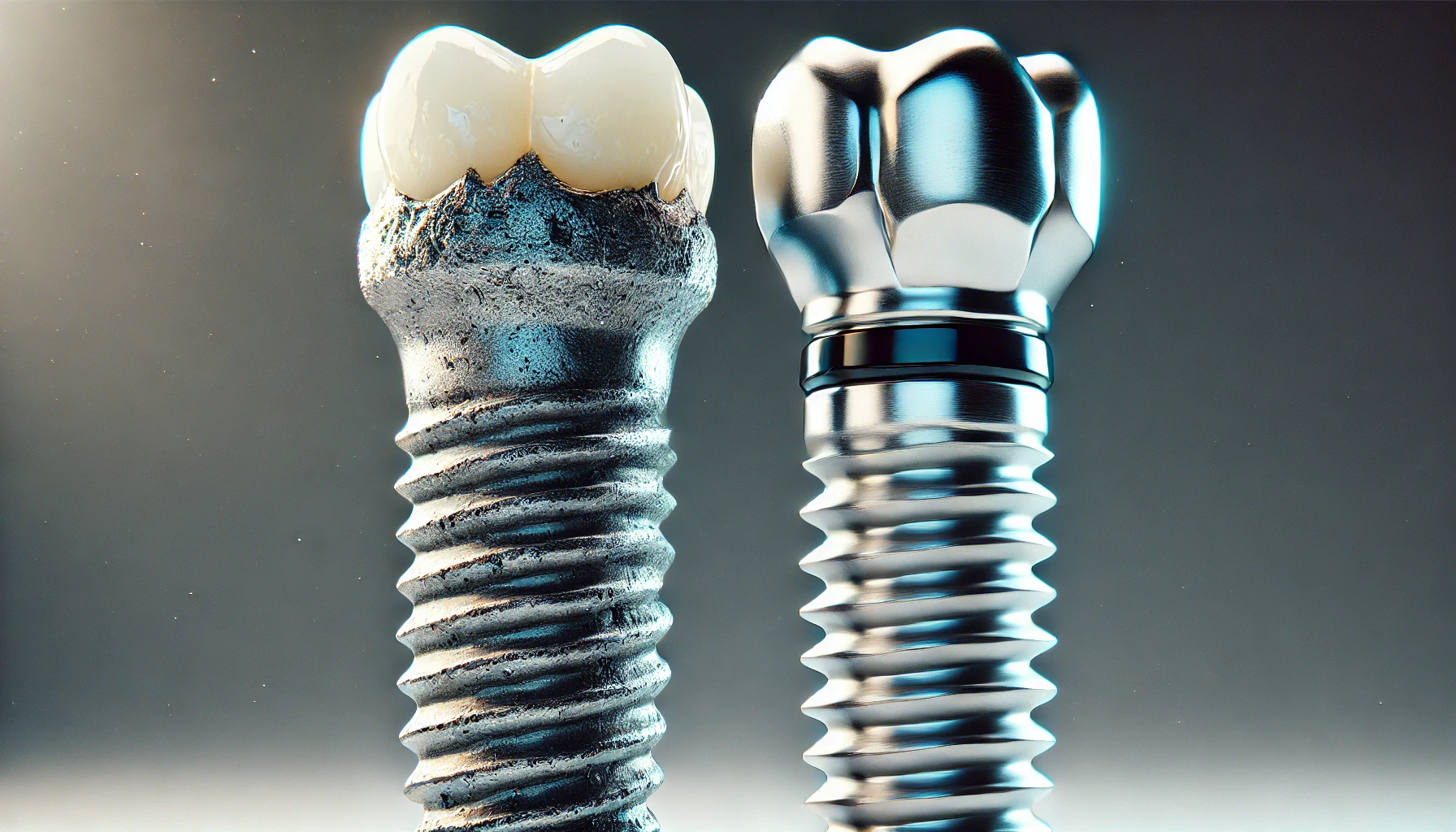
To avoid these risks, implantation is only performed after the active inflammatory process is eliminated. This allows:
- to create a healthy environment for the implant to take root;
- to ensure a stable support in the form of bone tissue;
- to reduce the risk of complications in the future;
- to make the result long-term and predictable.
Thus, implantation is possible with periodontitis, but only after proper treatment and stabilization of the gums. This approach is practiced at Factor Smile, where doctors strictly adhere to international protocols to ensure patient safety and a durable result.
Modern Methods of Treating Periodontitis
The clinic Factor Smile uses international protocols and innovative technologies for the treatment of gum diseases. This approach allows for effective control of inflammation, tissue restoration, and preparation of the patient for further implantation.
Professional Hygiene and Tooth Scaling
The first stage of treatment is the removal of dental plaque and calculus, which are the main sources of infection. Doctors use ultrasonic scalers and the Air-Flow system, which allows for gentle cleaning of even hard-to-reach areas and to reduce bacterial load.
Laser Therapy
Laser treatment helps to disinfect periodontal pockets, destroy pathogenic bacteria, and accelerate tissue regeneration. The laser has a gentle effect, so the procedure is comfortable, without severe pain and prolonged recovery.
Antiseptic and Medicinal Therapy
Surgical Treatment
In complex cases when tissues are significantly damaged, doctors perform surgical methods:
- flap operations — for cleaning deep pockets and restoring the shape of the gums;
- guided tissue regeneration — allows for the restoration of lost bone and gum volume using membranes and bone grafting materials.
Treatment Result
After inflammation is eliminated and tissues are stabilized, the patient can move on to the next stage — planning for implantation. This comprehensive approach ensures a high percentage of implant survival and the durability of the result.
Implantation in Cases of Bone Tissue Deficiency
Patients with periodontitis often experience bone loss. In such cases, bone grafting or sinus lifting may be required — procedures that restore tissue volume and allow for the placement of an implant even in complex conditions. At Factor Smile, modern materials and methods of bone regeneration are used, which significantly increase the success rate of implantation.
What diagnostic technologies are used
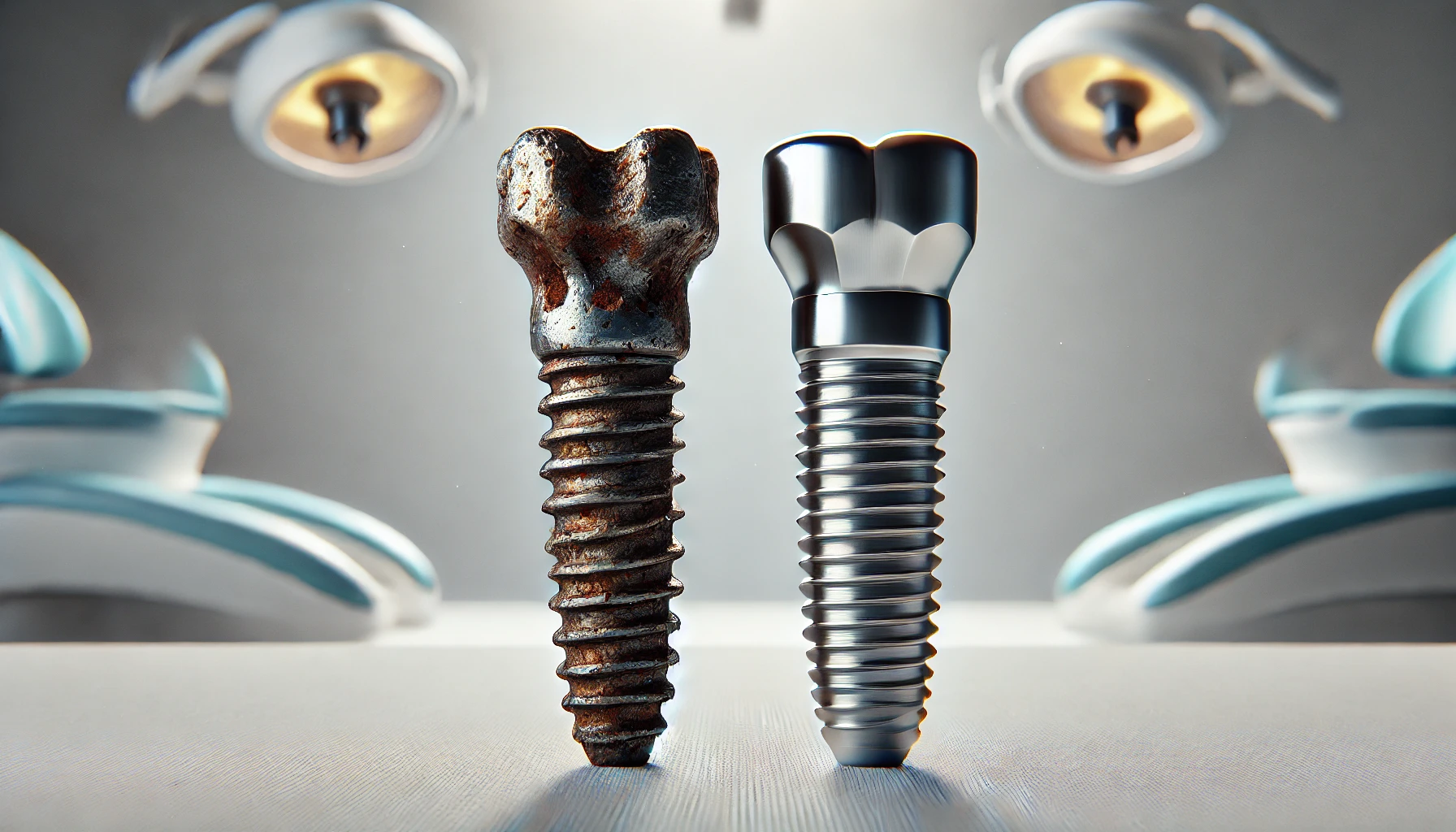
A comprehensive examination is conducted before dental implantation at the Factor Smile clinic. This is necessary so that the doctor can carefully assess the condition of the oral cavity, predict the result, and minimize possible risks. Modern diagnostics play a key role in successful implantation and ensure the patient's confidence in the outcome.
3D Tomography
With the help of computer tomography (CT), the doctor obtains a three-dimensional image of the jaw. This method allows:
- to assess the volume and density of bone tissue;
- to detect hidden inflammatory processes or cysts;
- to determine the location of nerves and maxillary sinuses to avoid damage during surgery.
3D tomography is the "gold standard" for preparing for implantation worldwide.
Digital Modeling
Based on the obtained data, a digital model of the future smile is created. It helps:
- plan the precise position of implants;
- simulate the load on the dental row;
- show the patient how the treatment result will look.
This is especially important for the aesthetic zone — when an implant is placed on the front teeth.
Photoprotocol
Photography at each stage of treatment fixes changes and allows the doctor and patient to compare results. This method increases the transparency of the process and helps control the dynamics of recovery.
Additional diagnostic methods
In some cases, Factor Smile doctors use other methods:
- saliva analysis to assess the microflora and risk of inflammation;
- periodontal tests to measure the depth of gingival pockets;
- intraoral scanners for an accurate digital impression without discomfort.
This comprehensive approach to examination reduces the risk of complications and makes treatment as predictable and comfortable as possible for the patient.
Why Factor Smile
The Factor Smile clinic in Dubai combines modern technologies and international treatment standards. Our advantages:
- an international team of doctors with experience in Europe and the USA;
- modern equipment for diagnosis and treatment;
- a personalized approach to each patient;
- a comfortable atmosphere and attentive attitude;
- transparent pricing policy and quality guarantees.
Take a step towards a healthy smile
If you suffer from periodontitis and are considering dental implantation, the specialists at Factor Smile in Dubai will help you go through all stages of treatment — from diagnosis to the installation of premium-class implants. We guarantee comfort, safety, and a durable result.

Book a consultation.
Don't put off taking care of your smile.
Contact us by phone
+971 58 524 4003
WhatsApp
Online booking
Special offer!
Free dental consultation!

The Factor Smile clinic has a special offer for new patients - a free consultation with a dentist. Depending on the problem you are contacting us with, you can get a consultation from the following specialists: therapist, surgeon, orthopedist, orthodontist.
CONSULTATION INCLUDES:
-

Professional examination by a highly qualified doctor.
-

Treatment plan
Based on the results of the examination, an individual plan will be created for you with detailed information on the stages of treatment and an indication of the current cost.
Book a consultation.
Don't put off taking care of your smile.
Contact us by phone
+971 58 524 4003
WhatsApp
We use cookies!
We use cookies to make the site convenient to use. More detailed information can be found in privacy policy.Accept