Common Mistakes Patients Make When Preparing for Dental Implantation
Preparing for dental implant surgery is one of the most important stages that largely determines the success of the procedure and the longevity of the implant. Even if the implant is high quality and the surgeon is experienced, the final result may suffer due to the patient’s improper actions. To understand what must be done before dental implant placement and what is strictly prohibited, it is essential to know the typical mistakes and preparation rules.
Underestimating diagnostics and CT scans before implantation
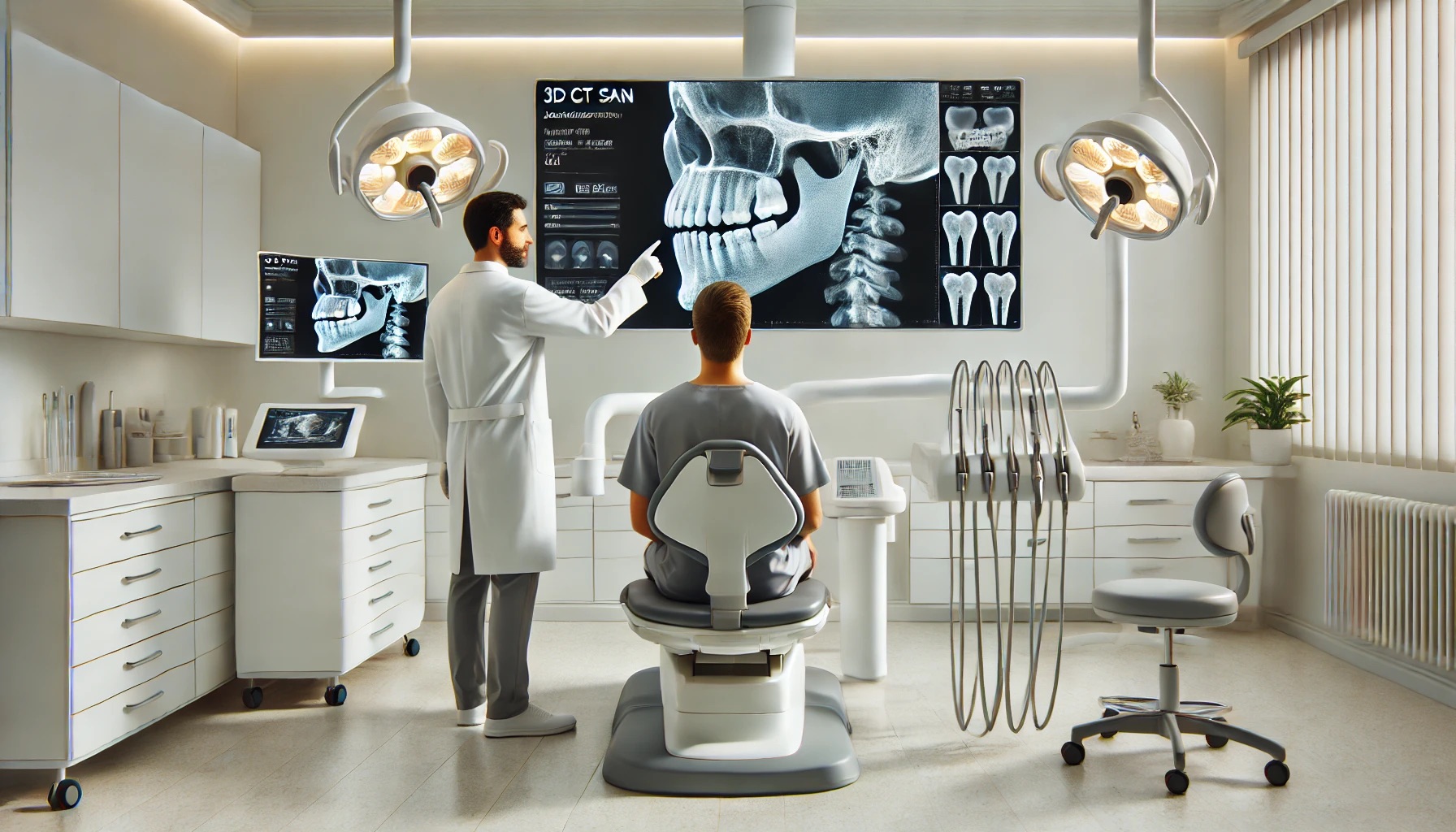
One of the most serious mistakes is refusing a CT scan before implant placement. Many patients consider it “unnecessary,” not realizing that a CT scan shows the volume and density of the jawbone, reveals hidden inflammation, cysts, and anatomical risks.
Without a CT scan, it is impossible to properly assess which implant is needed, at what angle it should be placed, or whether additional surgery—such as bone grafting—is required. Accurate diagnostics make the process of dental implantation predictable and safe.
Oral preparation: overlooked steps
Another common mistake is arriving for surgery without prior oral sanitation. Professional cleaning before implantation, cavity treatment, removal of old inflamed fillings, and gum disease therapy are mandatory steps. Any infection in the mouth increases the risk of complications and can lead to inflammation around the implant.
If the patient ignores preparation, they may later ask questions such as: how long does swelling last after implantation or how to reduce inflammation—although most of these problems could have been prevented.
Stages of preparation before dental implantation
- Consultation and tests — bloodwork, evaluation of contraindications.
- Complete diagnostics — CT scan, video protocol, assessment of bone volume.
- Oral preparation — professional cleaning, cavity treatment, gum therapy.
- Pre-surgical plan — selection of implant system, implant size, and treatment stages.
- Pre-operative recommendations — diet, medications, daily regimen.
Only after these steps can the surgery be performed.
What you must do before implantation
Before implant placement, it is important to stabilize the overall condition of the body: normalize blood pressure, sleep well, reduce stress, and follow the doctor’s recommendations regarding medication — this reduces surgical risks and improves tissue healing.
Diet is discussed separately. Dentists explain in detail how to eat before dental implantation and what is typically recommended: avoid heavy, fatty, and spicy foods 24 hours before surgery, completely avoid alcohol, limit caffeine, and prioritize light protein foods (fish, eggs, yogurt). Prepare soft foods in advance for the first postoperative days — cream soups, cottage cheese, yogurt, porridge — to reduce stress on the jaw. Maintaining hydration is also important, as it helps the body tolerate the procedure better and recover faster. Proper preparation improves prognosis and increases the likelihood of successful osseointegration.
What you must NOT do before implantation
There are several actions that are strictly prohibited but often ignored:
- consuming alcohol 48–72 hours before surgery;
- smoking before implantation;
- drinking coffee on the day of the procedure;
- taking sedatives without a doctor’s approval;
- stopping prescribed medications on your own;
- arriving for surgery on an empty stomach when sedation is planned;
- ignoring dietary recommendations.
All of these factors negatively affect anesthesia, alter blood pressure, and increase the risk of complications.
Medications you must avoid before implantation
Certain medications affect blood clotting, immunity, and tissue healing. Before dental implantation, the following should NOT be taken:
- anticoagulants (only adjusted if approved by the doctor);
- NSAIDs 24 hours before surgery;
- hormonal medications without supervision;
- blood-thinning supplements;
- antibiotics “for prevention.”
Any medication adjustment must be done strictly by a physician.
Mistake: ignoring inflammatory conditions
Any inflammation in the mouth before surgery—gingivitis, periodontitis, bleeding or swollen gums—significantly reduces the chances of successful implant integration. Inflammation increases harmful bacteria, loosens gum tissue, worsens blood supply, and disrupts normal tissue metabolism, creating a high risk of infection and peri-implantitis.
If the patient does not ask the doctor how to reduce inflammation after implantation and does not undergo sanitation beforehand, the implant is placed in an unfavorable environment. This increases the likelihood of bone loss around the implant, slows osseointegration, and may lead to implant failure.
Therefore, preoperative preparation always includes specific steps: professional cleaning to remove bacterial plaque, cavity treatment, tartar removal, anti-inflammatory gum therapy, and mucosal condition control. Only after full stabilization of the tissues can implantation be performed safely and predictably.
Common mistakes
Lack of tests and poor clinic selection
Many patients choose a clinic based on price or proximity, not knowing how to choose the right dental clinic for implantation. Before the procedure, it is crucial to evaluate:
- availability of CT scans and diagnostic equipment;
- surgeon’s experience;
- implant systems used;
- warranty conditions;
- treatment protocols;
- sterility and clinical equipment level.
Implantation is a serious surgical procedure, and the clinic’s quality directly affects the result.
Lack of regimen and non-compliance with recommendations
Failure to follow the pre- and postoperative regimen directly affects healing. Poor hygiene leads to rapid plaque accumulation around the implant, while improper diet—hot, hard, or spicy foods—can cause renewed bleeding and increased swelling. Lack of sleep weakens the immune system, and physical exertion during the first 24 hours increases blood flow to the surgical site, raising the risk of inflammation. Smoking further disrupts microcirculation and slows osseointegration.
If a patient asks how long swelling lasts after implantation, this often indicates non-compliance with recommendations: poor diet, early physical strain, or continued smoking. Following instructions, maintaining soft diet, careful hygiene, and avoiding harmful habits ensure proper healing and minimal complications.
Dental implantation: what you must NOT do after surgery
It is important to understand that there are restrictions not only before but also after the surgery:
- hot food;
- intense physical activity;
- alcohol;
- smoking;
- touching the surgical area with tongue or fingers;
- vigorous rinsing during the first 24 hours.
Violations may lead to bleeding, inflammation, and displacement of the blood clot.
Conclusion: proper preparation is the guarantee of long implant lifespan
Preparation before dental implant surgery is a chain of steps that determines the final result. The patient must:
- undergo diagnostics;
- have a CT scan;
- prepare the oral cavity;
- follow recommendations;
- adjust medications;
- choose a reliable clinic;
- follow a personalized treatment plan.
When a patient clearly understands where to begin preparing for dental implantation, what to avoid, and why impeccable preoperative hygiene is essential, the implant integrates predictably, lasts for decades, and looks completely natural.