
How Oral Surgery Helps Preserve Your Natural Teeth
Modern oral surgery is not only about tooth extraction. In many cases, surgical treatment can actually help preserve a natural tooth when restorative or endodontic treatment alone is not sufficient. Root-end surgery, surgical periodontal treatment, correction of bone defects, gum grafting, and other microsurgical techniques can eliminate the source of the problem and create conditions for long-term tooth preservation. In modern dental clinics in Dubai, the decision to perform surgery is based on comprehensive diagnostics and an assessment of the long-term prognosis of the individual tooth.
Why Doesn't Surgical Treatment Always Mean Tooth Extraction?
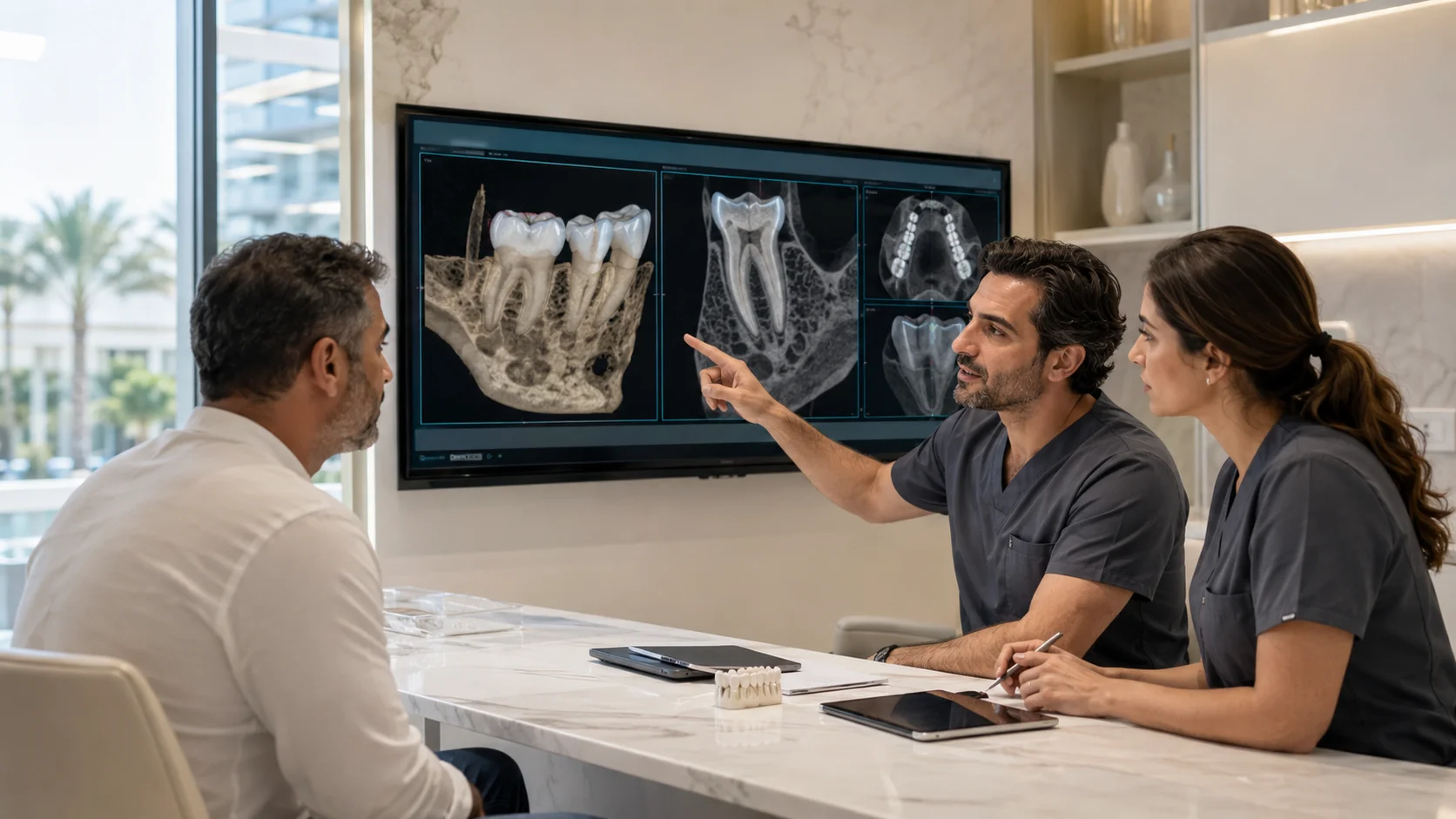
The primary goal of modern dentistry is to preserve natural teeth whenever they can function properly and have a favorable long-term prognosis.
Sometimes the problem is located in an area that cannot be adequately accessed using conventional treatment methods. For example, an inflammatory lesion may develop around the tip of a tooth root, while a deep periodontal defect may be hidden below the gum line.
In these situations, a minor surgical procedure may allow the dentist to:
- gain access to the affected area;
- remove inflamed or infected tissue;
- preserve the healthy portion of the tooth;
- restore or regenerate surrounding bone or gum tissue;
- create appropriate conditions for further restorative or prosthetic treatment.
For this reason, oral surgery can be an important part of a tooth-preserving treatment strategy.
When Can a Natural Tooth Be Saved?
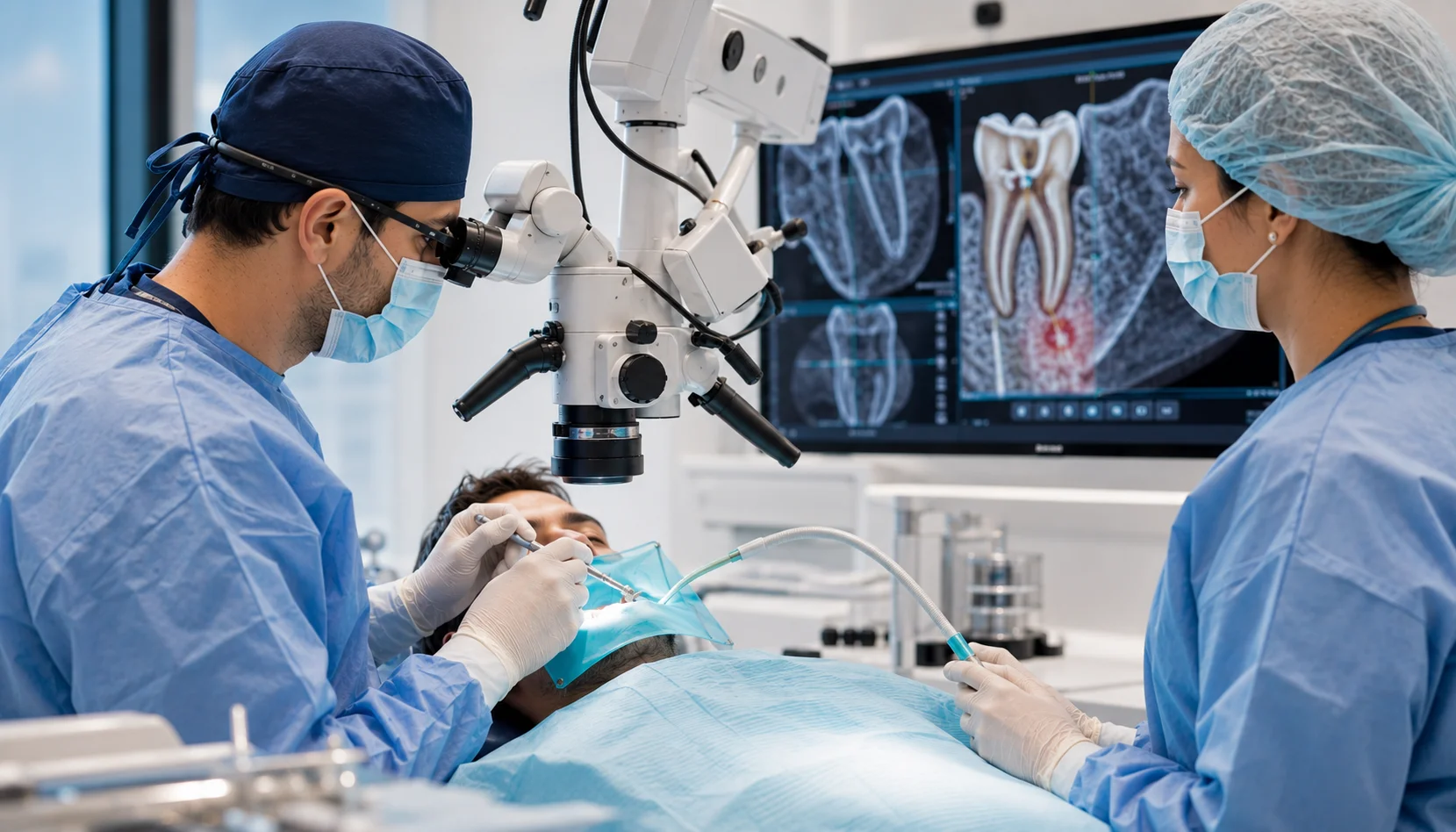
The decision does not depend only on how much of the visible tooth crown has been damaged. The dentist evaluates the tooth together with its root, surrounding bone, gum tissue, and expected future functional load.
Tooth-preserving treatment may be considered when:
- the root has sufficient structural strength;
- there is no unfavorable vertical root fracture;
- the tooth can be predictably restored after treatment;
- the inflammatory process can be controlled;
- sufficient supporting tissues remain;
- the periodontal condition allows a stable long-term result.
When the prognosis is uncertain, the decision may require a multidisciplinary assessment involving an oral surgeon, endodontist, periodontist, and restorative dentist or prosthodontist.
Root-End Surgery: When Can It Help Save a Tooth?
One of the best-known tooth-preserving procedures is apical surgery, also known as root-end surgery or apicoectomy.
It may be considered when inflammation persists around the tip of a tooth root after endodontic treatment and conventional root canal retreatment is not possible, appropriate, or expected to resolve the problem.
During the microsurgical procedure, the dentist accesses the affected area, removes the pathological tissue and a small portion of the root tip, and, when necessary, seals the root canal from the apical side.
The goal of the procedure is to eliminate the source of inflammation while preserving the natural tooth.
How Can Surgery Help Treat Gum Disease?
Periodontitis can cause deep periodontal pockets and destruction of the bone supporting the teeth.
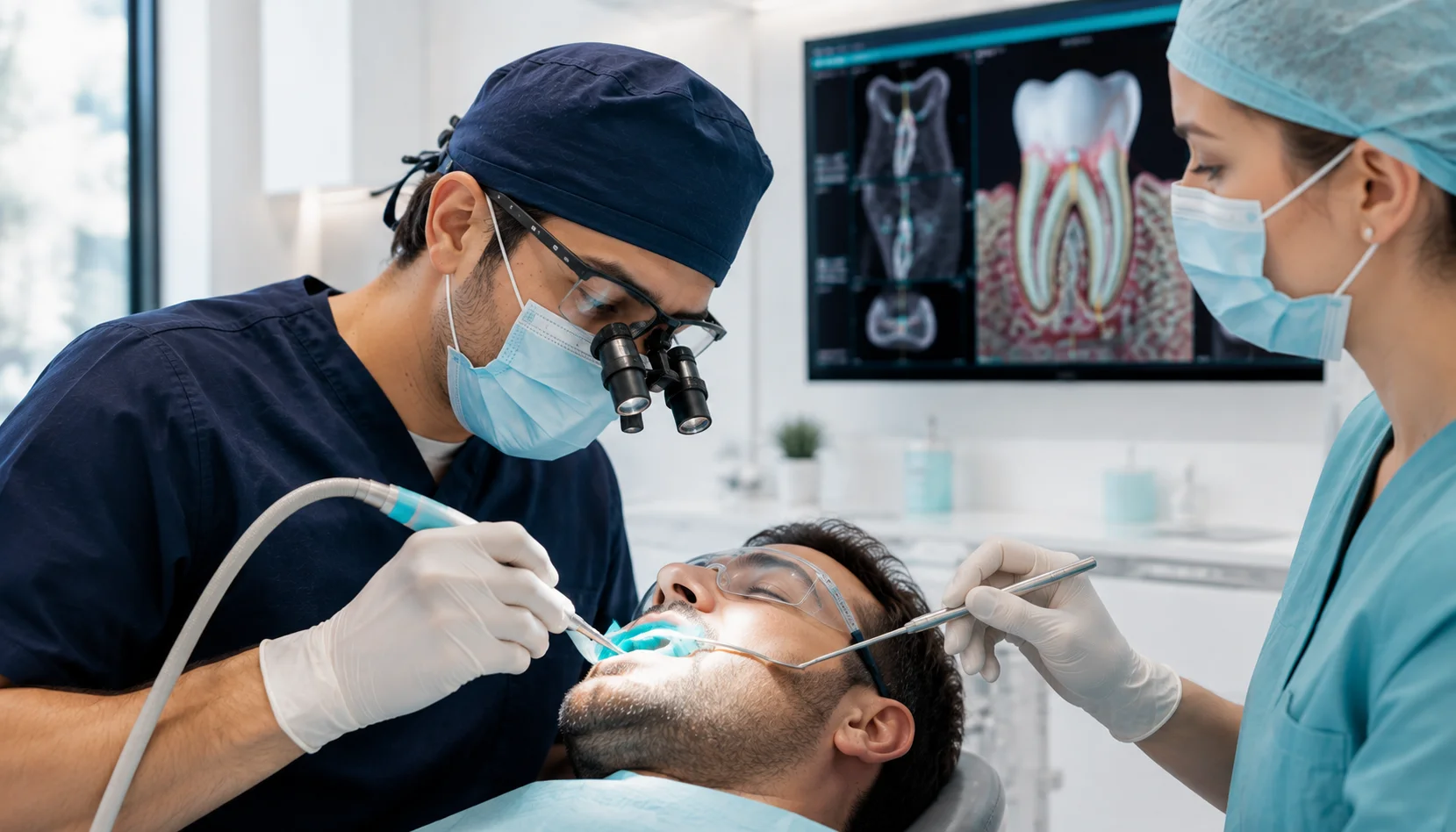
Treatment usually begins with non-surgical periodontal therapy. However, if deep areas remain after initial treatment and cannot be effectively cleaned or maintained, periodontal surgery may be recommended.
It can allow the dentist to:
- gain direct access to the root surface;
- remove remaining deposits below the gum line;
- clean inflamed tissues;
- correct certain types of bone defects;
- perform regenerative treatment when clinically appropriate.
The goal is not simply to reduce periodontal pocket depth but to create conditions in which the tooth can be effectively maintained over the long term.
Can Bone Around a Natural Tooth Be Restored?
In selected clinical situations, partial regeneration may be possible.
Certain types of bone defects around natural teeth may be treated using guided tissue regeneration techniques. Special membranes, bone grafting materials, or a combination of regenerative materials may be used.
The possibility of regeneration depends on:
- the shape and depth of the bone defect;
- the condition of the tooth root;
- the level of active inflammation;
- the quality of oral hygiene;
- the overall prognosis of the tooth.
Regenerative surgery is not appropriate for every periodontal defect, so the decision should be made after a comprehensive examination.
How Can Gum Grafting Help Preserve Teeth?
Gum recession exposes part of the tooth root. This may cause increased sensitivity, aesthetic concerns, and difficulties maintaining effective oral hygiene.
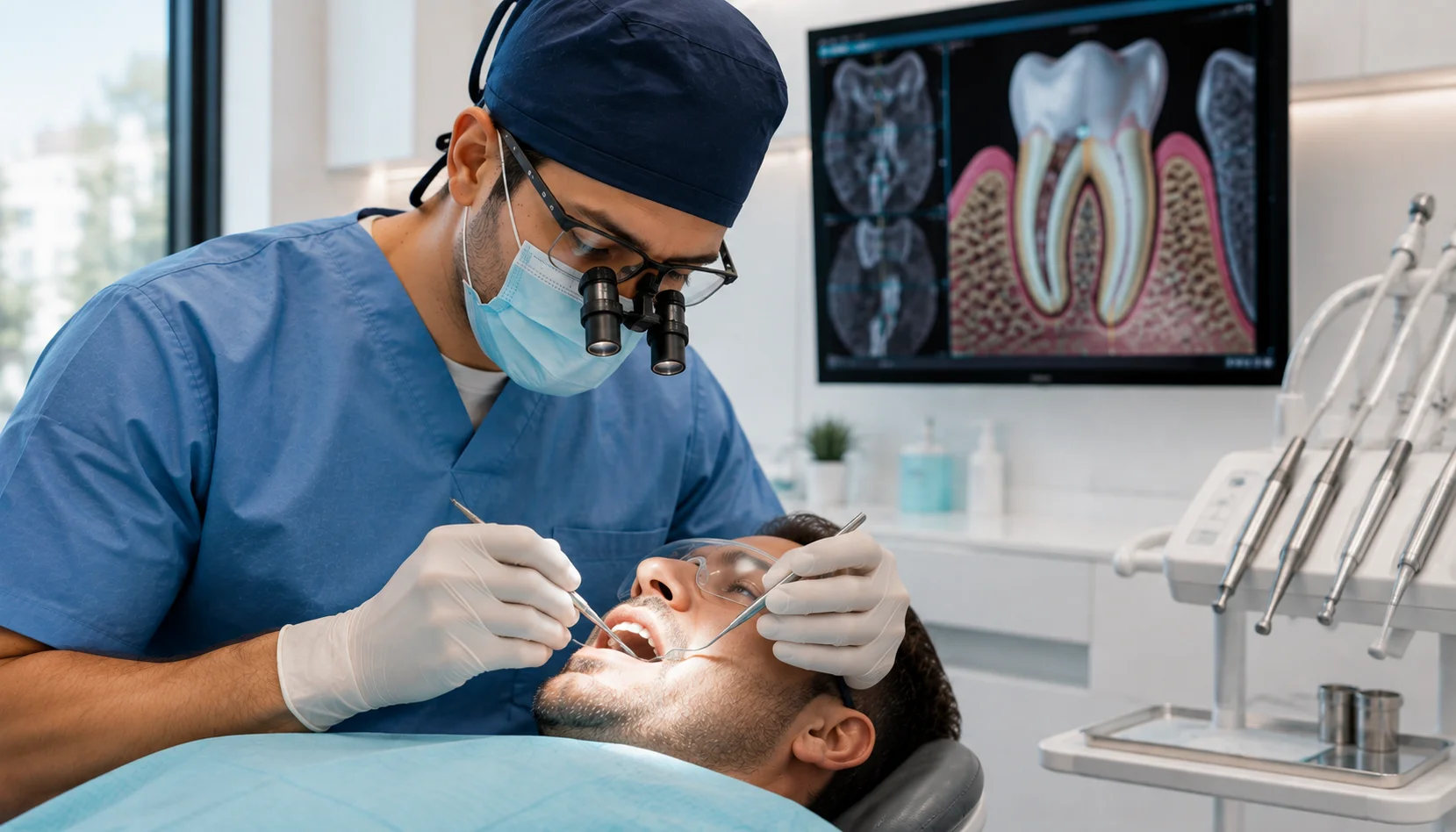
Mucogingival and microsurgical techniques can be used to increase the volume and improve the stability of the soft tissues.
Depending on the clinical situation, these procedures may help:
- increase gum thickness;
- protect the exposed root surface;
- reduce the extent of gum recession;
- improve conditions for daily oral hygiene;
- stabilize the soft tissues around the tooth.
Not every case of gum recession requires surgery. Identifying and managing its underlying cause is an important first step.
Which Treatments Can Help Preserve a Natural Tooth?
| Clinical Problem | Possible Treatment Approach |
|---|---|
| Inflammation around the root tip | Endodontic treatment or apical surgery |
| Deep periodontal pockets | Non-surgical therapy followed by surgery when necessary |
| Localized bone defect | Regenerative periodontal surgery when indicated |
| Gum recession | Soft tissue or gum grafting procedures |
| Inaccessible defect below the gum line | Surgical access in selected cases |
| Tooth with a hopeless prognosis | Extraction followed by planned tooth replacement |
The key principle is to select treatment according to the long-term prognosis of the tooth rather than simply choosing a particular procedure.
How Does Digital Diagnostics Help With Treatment Decisions?
Before performing tooth-preserving surgery, the dentist needs an accurate understanding of the condition of the roots and surrounding tissues.
Depending on the clinical situation, dental clinics in Dubai may use:
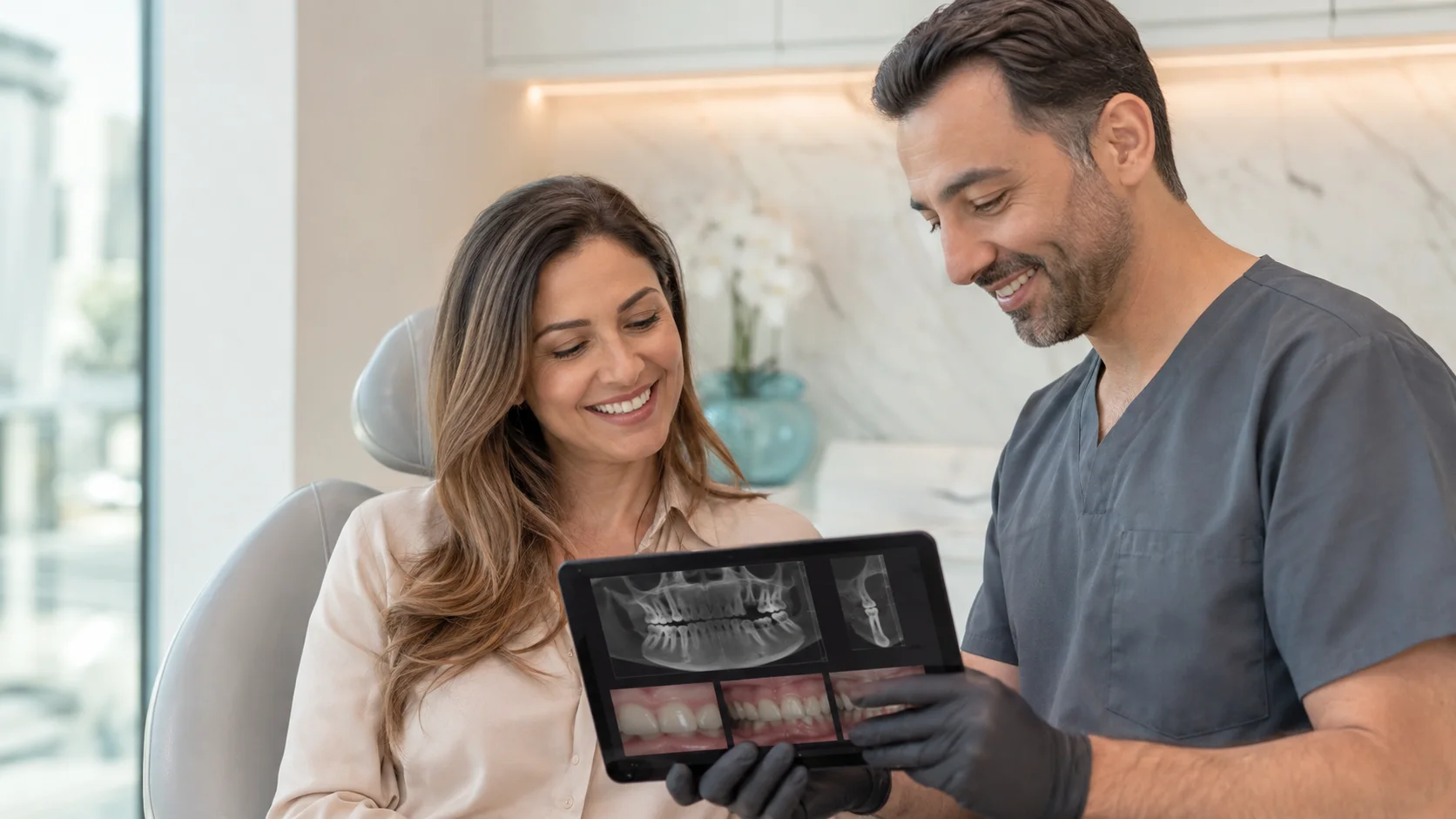
- digital dental X-rays;
- Cone Beam Computed Tomography (CBCT);
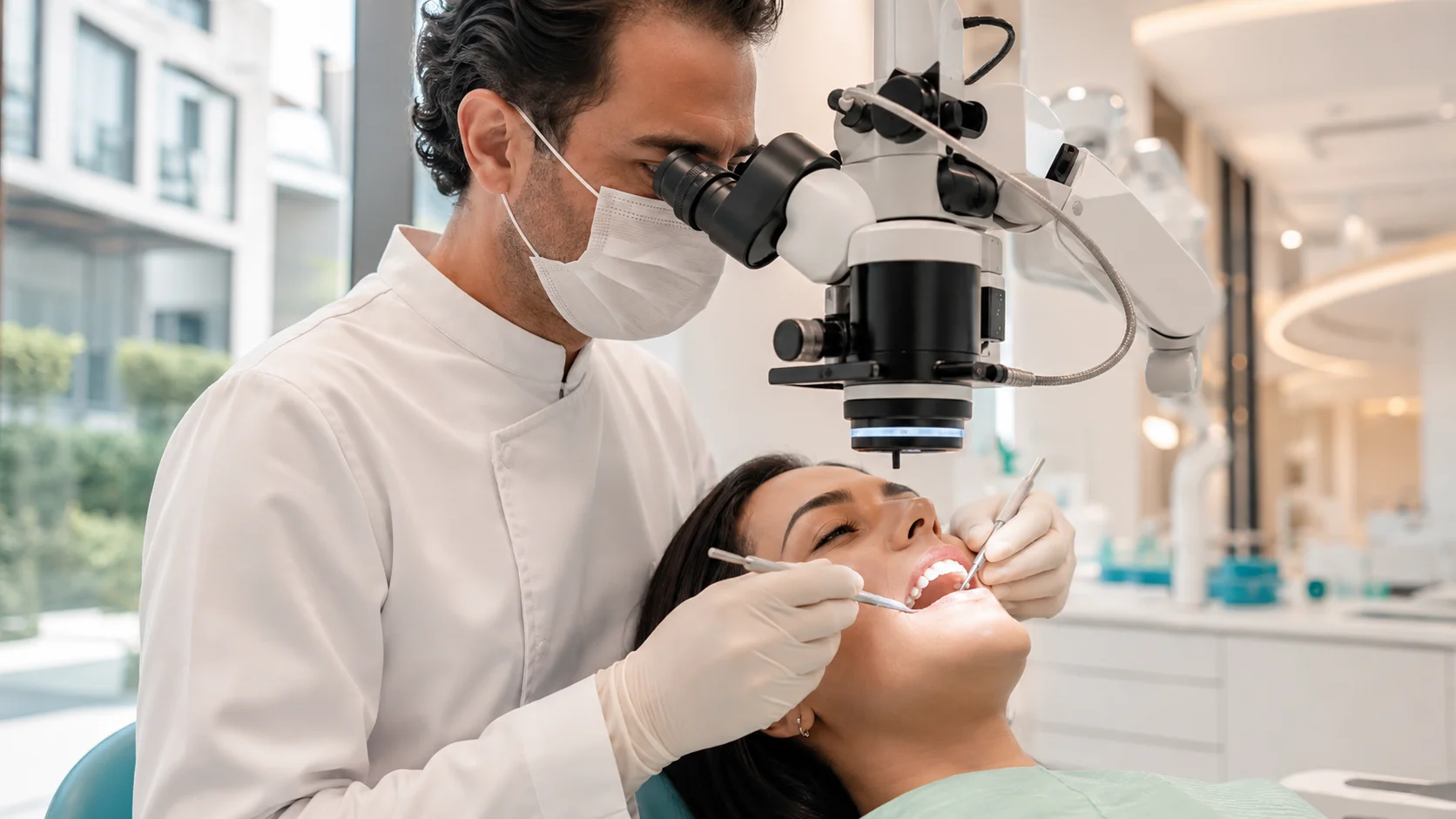
- magnification and an operating microscope;
- intraoral scanning;
- clinical dental photography;
- digital planning of the future restoration.
CBCT can be particularly useful in selected complex cases because it provides three-dimensional information about dental and bone anatomy. However, the need for CBCT should always be determined by the clinician, as additional radiographic examinations should have a clear clinical justification.
When Is It Better to Extract a Tooth Rather Than Save It?
Preserving a natural tooth is important, but it should not become the goal at any cost.
Extraction may be the more appropriate option in cases involving:
- a vertical root fracture;
- critical structural destruction of the tooth;
- inability to restore the tooth predictably;
- severe loss of supporting bone;
- uncontrolled infection;
- an extremely poor long-term prognosis.
The dentist should consider not only whether the tooth can technically be preserved today but also whether it is likely to remain functional and maintainable in the future.
Modern oral surgery is not limited to tooth extraction and dental implant placement. Microsurgical, endodontic, and periodontal procedures can be used to address a localized problem while preserving the natural tooth. Accurate diagnosis is essential: the dentist must carefully balance the benefits of tooth-preserving treatment against its realistic long-term prognosis.
If you have been advised to have a tooth removed or would like to know whether it can still be saved, contact Factor Smile in Dubai. Our specialists will perform a comprehensive assessment of the tooth root, surrounding bone, and gum tissue and develop an evidence-based treatment plan that prioritizes preserving your natural tooth whenever this is clinically appropriate.
Frequently Asked Questions