
What to do if a tooth cracks: treat or extract?
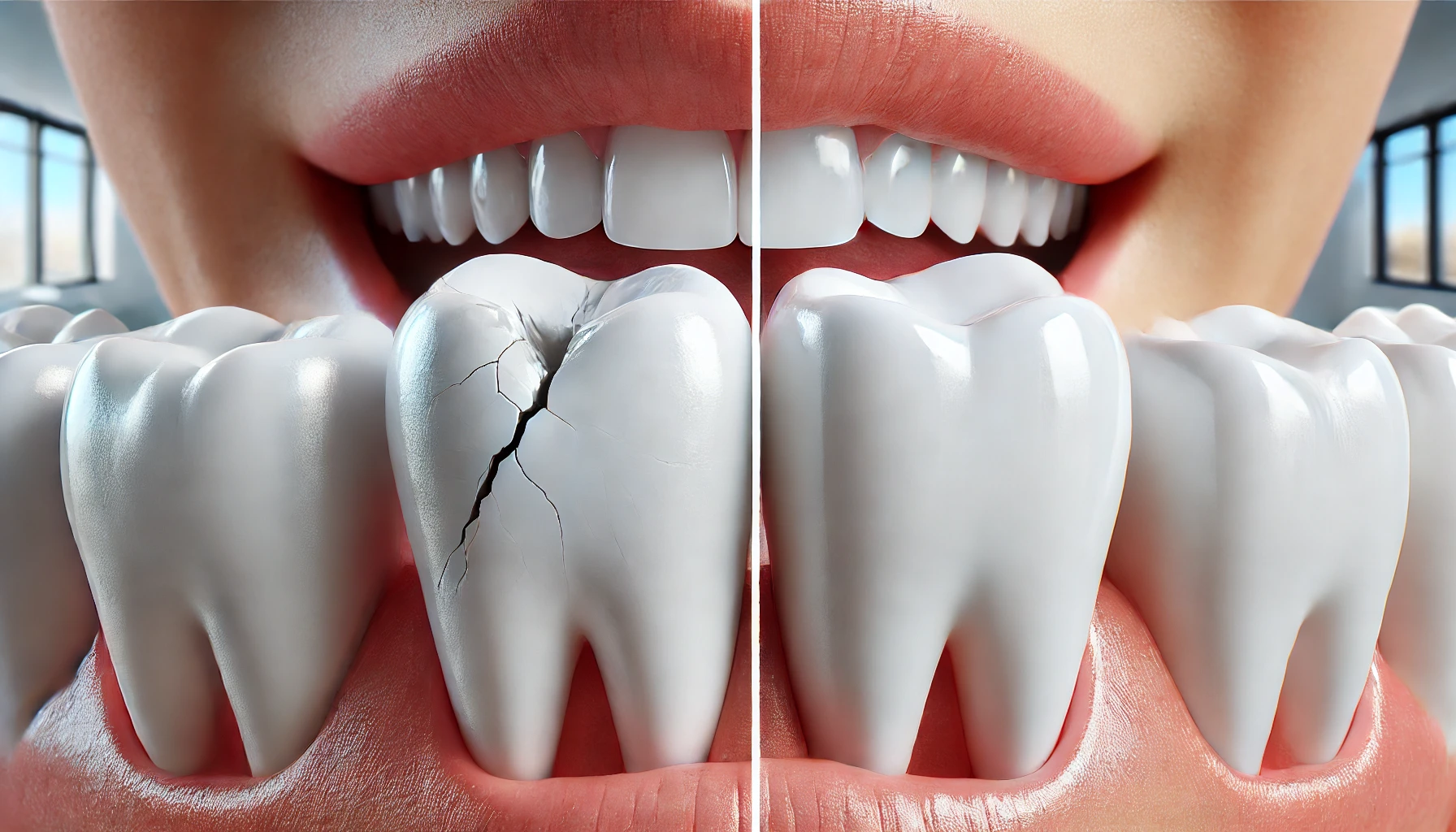
A cracked tooth is a problem that both adult and pediatric patients face. Sometimes it is almost invisible and does not cause discomfort, while in other cases it is accompanied by pain and enamel chips. The main question arises: should such a tooth be treated or better extracted? The answer depends on the depth of the damage and the condition of the tissues. At Factor Smile clinic in Dubai, we offer a comprehensive approach: modern diagnostics, an international team of doctors, and an individual treatment plan allow us to keep teeth for as long as possible and ensure patient comfort at every stage.
Why do teeth crack
A crack can appear even in those who carefully follow hygiene, properly brush their teeth, and regularly visit a dentist. The thing is that teeth are subjected to stresses every day: from chewing food to stress factors affecting overall health. Sometimes damage occurs unexpectedly, while sometimes it develops gradually, remaining unnoticed for years. Here are the main reasons why teeth become vulnerable:
- Strong mechanical impact: a blow to the face, a fall, or a trauma during sports activities can cause an immediate crack. Even if the tooth looks intact on the outside, an internal damage may have formed, which will eventually lead to pain or chipping.
- Overload of teeth: the habit of gnawing on nuts, seeds, hard candies, or using teeth as tools (for example, opening packages or bottles) often leads to microcracks. These damages are not always noticeable immediately, but under the action of chewing load, they increase.
- Bruxism: nocturnal teeth grinding remains one of the most common and undervalued causes of damage. Constant pressure of tens of kilograms leads to the wear of enamel and the formation of a network of microcracks. Many patients do not even suspect that they suffer from bruxism until the dentist points out the characteristic signs.
- Old fillings: over time, the filling material loses elasticity and no longer fits tightly to the tooth. When stress is applied to such areas, the tension is distributed incorrectly, and the enamel begins to crack at the edges of the filling. The more restorations on the teeth, the higher the risk of their damage.
- Age-related changes: over the years, tooth enamel loses moisture and elasticity, becoming more brittle. Even familiar loads that were previously tolerated without problems can cause cracks. This happens especially often in patients over 40 years old if regular prevention is not carried out.
Thus, cracks in teeth are the result of a combination of external and internal factors. Even a small defect should not be ignored: it can expand and lead to more serious complications. Timely consultation with a dentist helps detect damage at an early stage and save the tooth.
Types of tooth cracks
To understand whether to treat the tooth or extract it, it is important to determine the nature of the damage:
- Microcracks in enamel: affect only the upper layer, are usually painless, but can cause sensitivity.
- Vertical crack in the crown: passes through enamel and dentin, may cause pain when chewing.
- Crack reaching the pulp: the damage reaches the nerve tissues, accompanied by acute pain and inflammation.
- Longitudinal crack in the root: a serious damage that usually requires the extraction of the tooth.
Symptoms to pay attention to
Occasionally, a crack can be seen in the mirror, but more often it manifests indirectly:
- sharp or aching pain when chewing hard food;
- discomfort when consuming hot and cold;
- increased sensitivity to sweet and sour;
- a feeling of unevenness or roughness on the tooth;
- the appearance of swelling or inflammation of the gums next to the tooth.
How is a crack diagnosed
Modern dentistry uses digital methods for accurate determination of the nature of the damage. At Factor Smile, we use:
- visual examination with magnification;
- digital radiography with minimal radiation dose;
- 3D tomography for evaluating the condition of the roots and bone tissue;
- AI diagnostics that help detect hidden damage.
Can a cracked tooth be cured
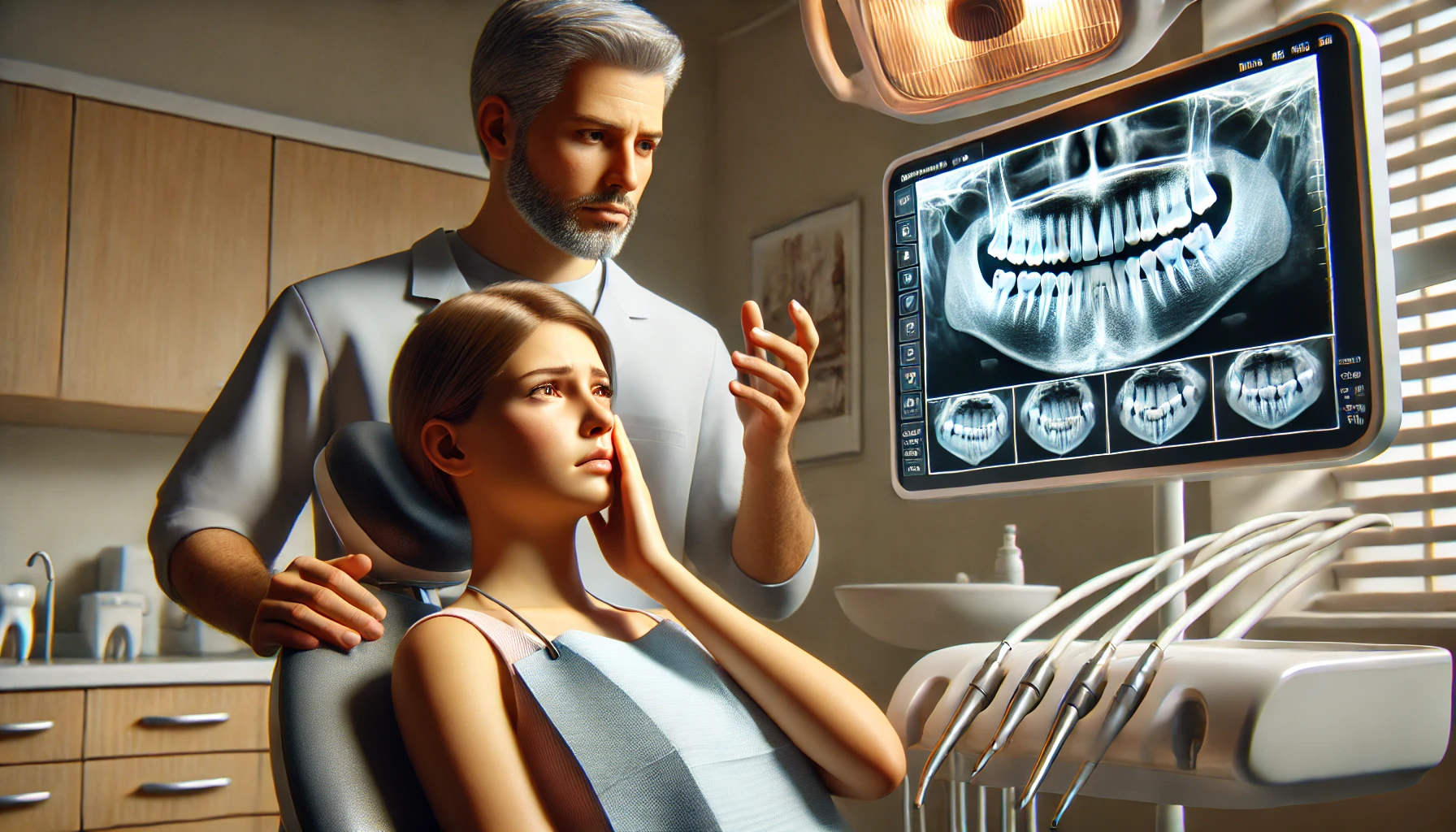
In most cases, cracks can be corrected without removal if the patient seeks help in time. The main thing is not to delay the visit: the smaller the damage, the easier and safer it is to fix it. At Factor Smile dental clinic, we use modern restoration methods that allow us to keep teeth for as long as possible.
Treatment methods
- Remineralization and fluoride varnish coating: suitable for superficial microcracks in enamel. Mineralizing compositions strengthen tooth tissue, reduce sensitivity, and prevent further destruction.
- Composite or ceramic restoration: used if the crack has reached the dentin. The doctor restores the anatomical shape of the tooth and returns its natural color and luster.
- Insert or crown placement: recommended for deep cracks when the tooth needs to be strengthened. The crown or insert completely protects it from loads, allowing chewing without fear of new damage.
- Endodontic treatment (root canal treatment): necessary if the crack has reached the pulp. The doctor cleans and seals the canals, removing inflammation and preserving the tooth from extraction.
What affects the choice of method
The doctor considers the depth and location of the crack, the overall condition of the tooth, the patient's age, and the chewing load. Sometimes several methods are combined: for example, root canal treatment followed by crown placement.
When a tooth needs to be extracted
Extraction is an extreme measure that doctors resort to only in serious damage when it is impossible to save the tooth. At Factor Smile, we consider extraction only as a last resort if all other methods do not help.
Primary indications for extraction
- The crack spreads to the root and splits the tooth all the way through.
- Inflammation has developed, affecting the bone and soft tissues, and conservative treatment is ineffective.
- The tooth cannot be restored by restoration or prosthetics, and it does not perform the chewing function.
Modern solutions after extraction
If a tooth still needs to be removed, we offer safe and aesthetic methods of restoration:
- Implantation: allows for a complete replacement of the extracted tooth, preserving the chewing function and aesthetics.
- Fixed bridges: an option for patients for whom implantation is not suitable for some reason.
- Aesthetic restorations: ensure the harmony of the smile and restore confidence to the patient.
Thanks to modern technology, the extraction of a tooth is no longer a tragedy: it becomes the first step towards quality and beautiful restoration. At Factor Smile, we always strive to save the tooth, but if it is impossible, we offer the best solutions for restoring health and smile.
Can cracks be prevented
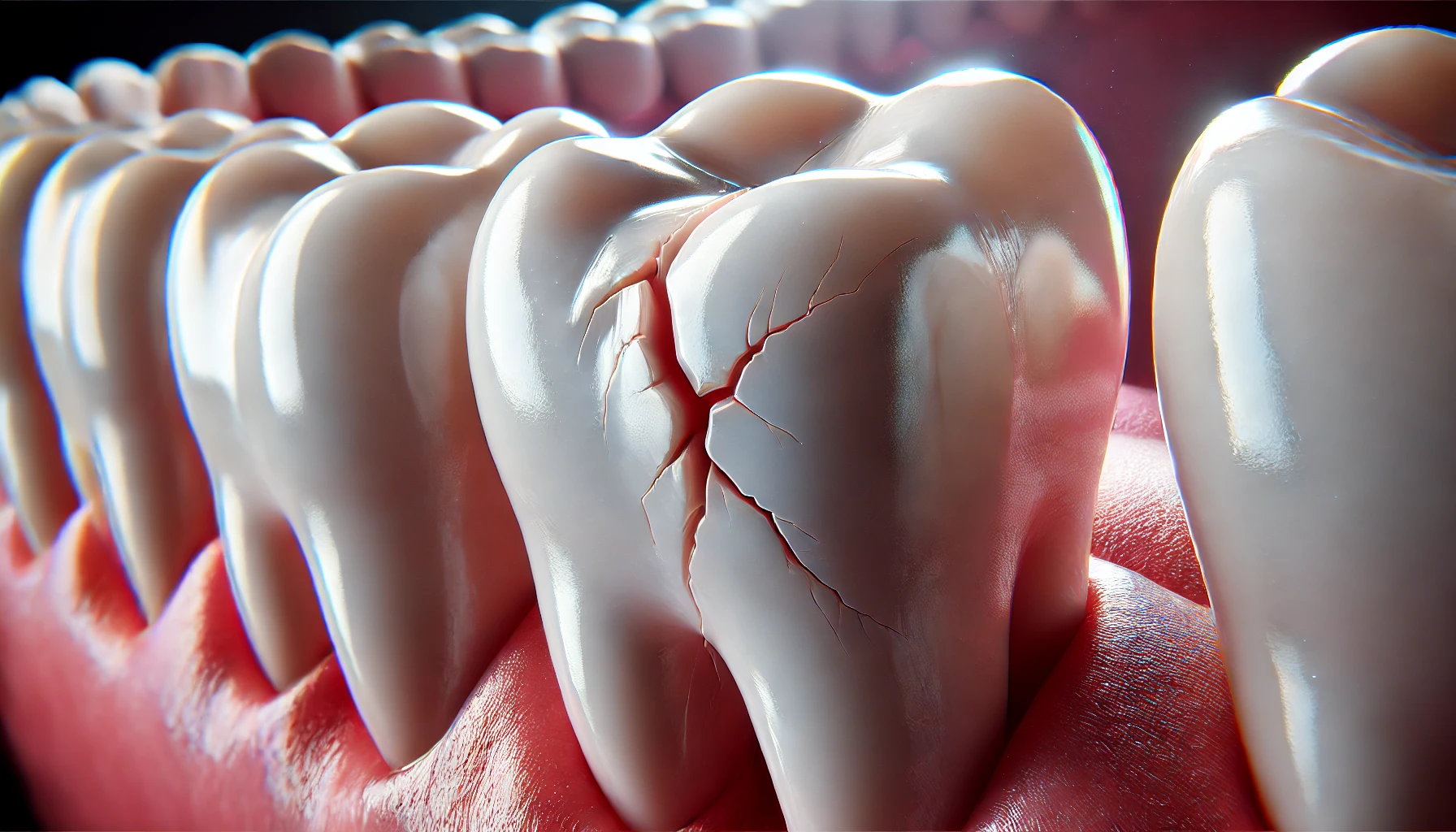
It is impossible to completely exclude the risk of a crack, as teeth are subjected to loads every day. However, it is quite possible to reduce the likelihood of their occurrence if you follow a few simple rules. Prevention is especially important, as a small crack discovered in time is much easier and cheaper to treat than a large damage.
Primary preventive measures
- Abandon harmful habits: do not use your teeth as tools, do not open packages with them, and do not gnaw on hard objects like nuts in shells or ice.
- Use mouthguards for bruxism: nocturnal teeth grinding remains one of the main causes of microcracks. Individual mouthguards protect teeth from excessive pressure.
- Wear sports mouthguards: if you engage in boxing, hockey, football, or other active sports, it is important to protect your teeth from injuries.
- Monitor fillings and crowns: old restorations may create incorrect load distribution and provoke cracks. Replace them with a dentist at the first signs of wear.
- Visit the dentist every 6 months: preventive examination and professional cleaning help detect microcracks at an early stage and strengthen the enamel.
Additional Recommendations
- Maintain a diet rich in calcium, vitamin D, and protein — this strengthens teeth from the inside.
- Use toothpastes with remineralizing components to increase enamel strength.
- Treat caries and gingivitis in a timely manner to avoid overloading adjacent teeth.
- Try to control stress — this reduces the risk of bruxism and involuntary clenching of the jaws.
Thus, preventing cracks is not only about giving up harmful habits but also about regular professional care. At Factor Smile clinic in Dubai, we offer individual prevention programs so that each patient can keep their teeth strong and healthy for many years.
Why Choose Factor Smile
The Factor Smile clinic in Dubai offers patients not only treatment but also confidence in the result. Our advantages:
- modern equipment and digital diagnostics;
- an international team of doctors with experience in Europe and the Middle East;
- gentle treatment methods with a priority for tooth preservation;
- a comfortable atmosphere and attention to each patient;
- a full range of services: from therapy and orthodontics to implantation and aesthetic dentistry.
A cracked tooth is not a sentence. The main thing is not to ignore the problem and to seek medical attention in a timely manner. In most cases, the tooth can be saved if treatment is started at an early stage. Extraction is only necessary in cases of serious damage when restoration is impossible. Modern dentistry allows to solve the problem effectively and painlessly, preserving the health and beauty of the smile.
Book an Appointment at Factor Smile
If you have a cracked tooth or suspicious symptoms, do not delay your visit to the doctor. Book an appointment at the Factor Smile clinic in Dubai — we will offer a safe and modern solution just for you. Individual approach, international treatment standards, and a comfortable atmosphere will help you smile confidently again.