CAD/CAM Technologies in Dental Prosthodontics — The Precision of the Future, Today
Modern dentistry is rapidly developing, and one of the most impressive achievements in recent years has been the CAD/CAM technologies in dental prosthodontics. Thanks to them, doctors at the Factor Smile clinic in Dubai create crowns, veneers, and inlays with perfect accuracy — literally in one visit. This is not just a step forward, but a real revolution in the approach to restoring a smile: comfort, speed, durability, and aesthetics are now combined in one solution.
What is CAD/CAM and Why is it Needed in Dentistry
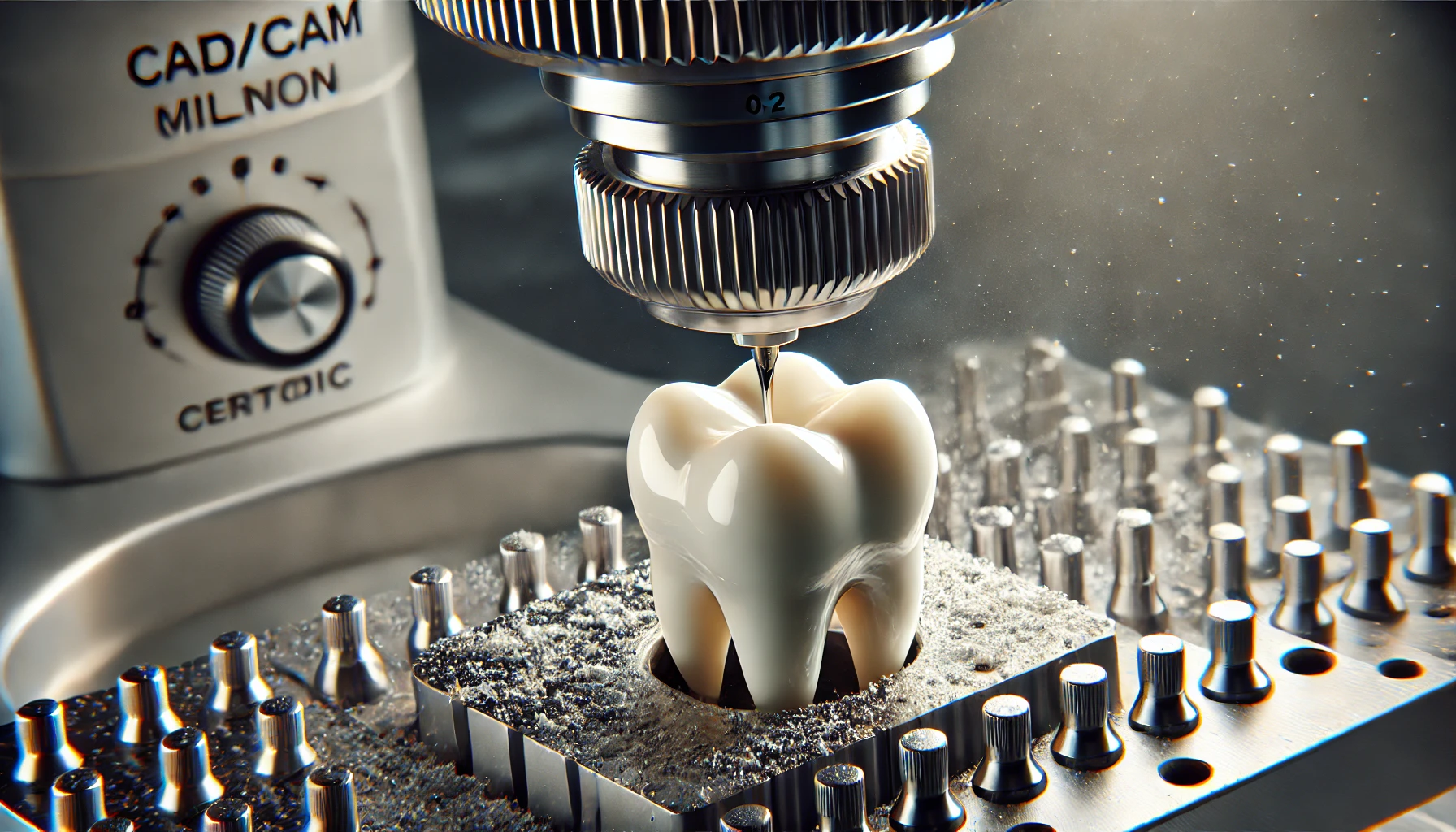
The abbreviation CAD/CAM stands for Computer-Aided Design / Computer-Aided Manufacturing — "computer-aided design and manufacturing." Simply put, it is a system that allows for the creation of dental structures not by hand, but with the help of digital technologies. The doctor scans the patient's dental arch with a special 3D scanner, and then designs the future restoration on the computer. After that, a milling machine manufactures the crown, veneer, or inlay from a solid ceramic block — quickly, accurately, and without the human factor of errors.
Whereas the prosthetic process used to take several weeks and require numerous visits, with the advent of CAD/CAM technologies, everything has become simpler. Now, a full digital reconstruction of a tooth can be completed in one visit — from scanning to the fitting of the finished structure.
How Digital Prosthodontics is Performed
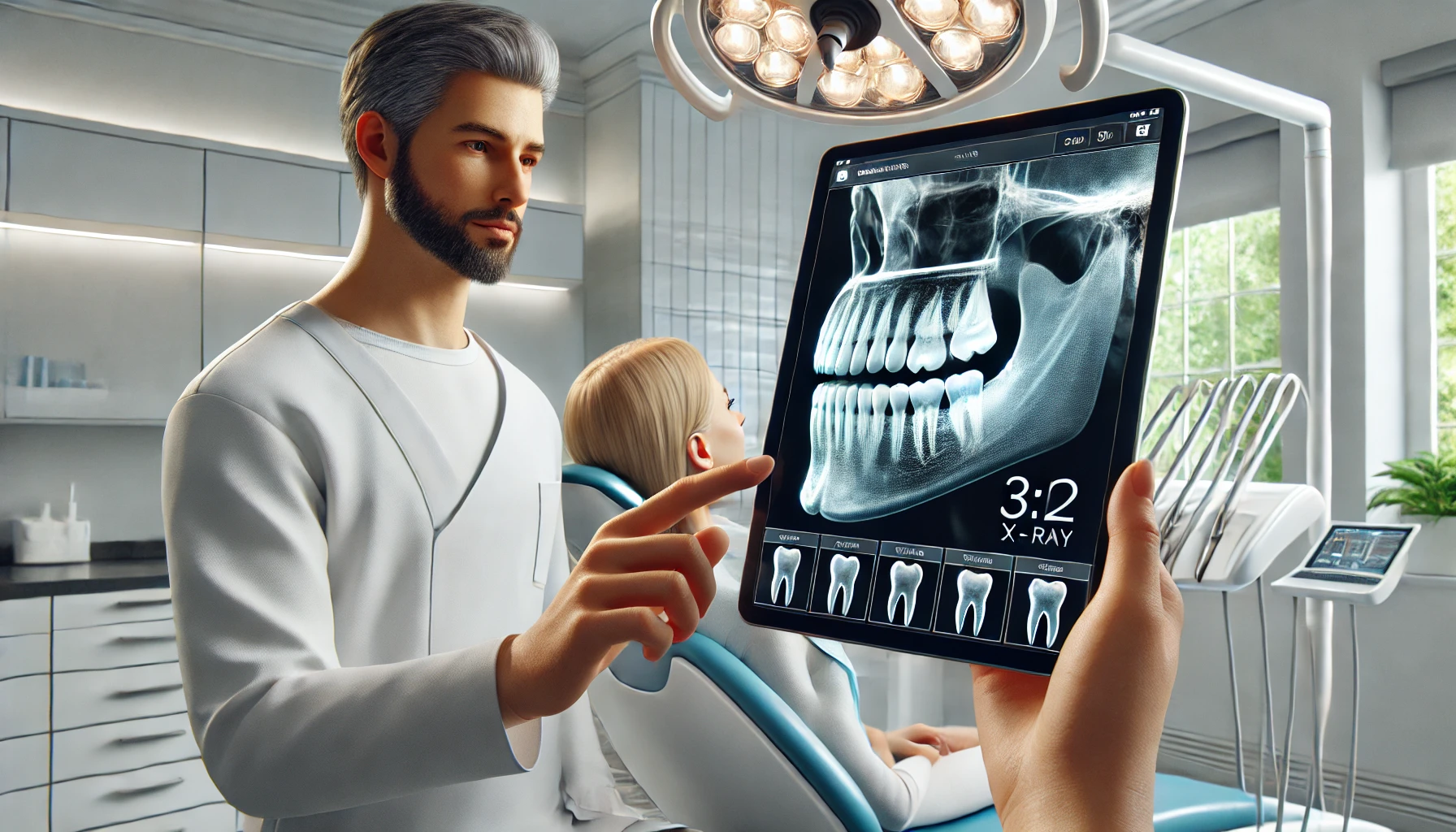
Modern CAD/CAM technologies have completely changed the perception of what the process of dental prosthetics can be. What used to require multiple visits, long waiting times, and uncomfortable impressions is now done quickly, accurately, and comfortably. At the Factor Smile clinic in Dubai, digital prosthetics are performed using state-of-the-art equipment, allowing for perfect restorations in just one visit. Every step is meticulously planned — from scanning to the installation of the finished structure, so that the patient feels confident and at ease.
The prosthetic process using CAD/CAM at the Factor Smile clinic includes several key stages, each aimed at achieving maximum accuracy and patient comfort.
1. Digital Scanning of the Oral Cavity
The first and perhaps the most important step is creating an accurate digital model of the dental arch. Unlike traditional methods, where the dentist uses impression material, a modern intraoral 3D scanner allows for a three-dimensional image of the teeth and gums without any discomfort. The patient does not have to sit with their mouth open for several minutes, waiting for the material to set — scanning takes only a few minutes and is completely painless.
During the procedure, the doctor moves the scanner along the dental arch, and the image immediately appears on the computer screen in 3D format. The technology ensures micron-level accuracy, which is especially important for fitting the future structure. Moreover, the doctor can evaluate the condition of the teeth, bite, gums, and immediately identify areas requiring correction or treatment before the crown or veneer is installed.
Intraoral scanning is not only comfortable but also highly informative. The patient can see their own teeth on the screen in an enlarged view, understand where the problem arose, and why a particular prosthodontic option was chosen. This approach makes treatment as transparent as possible and increases trust between the doctor and patient.
2. Computer Modeling
After scanning, the design phase begins. The specialist uses specialized software where they create the future restoration — whether it be a crown, veneer, or inlay. This is where the main advantage of the CAD/CAM system becomes apparent: the doctor sees the digital model in 1:1 scale and can accurately adjust the shape, height, contours, and bite according to the patient's anatomy.
During modeling, not only the functional characteristics of the tooth are taken into account, but also aesthetics — the color of the enamel, transparency, the shape of the smile. With the help of special filters and visualization, the patient can see in advance how the result will look. This is especially important when restoring front teeth, where the accuracy of color and shape plays a decisive role.
The technology allows the doctor to work with high precision — up to microns. At the same time, every detail of the structure is automatically calculated, eliminating the human factor. This approach makes the prosthetic process predictable: the result always corresponds to the plan and the patient's expectations.
3. Milling and Manufacturing of the Structure
Once the digital model is approved, the data is sent to a high-precision milling machine. It carves the product out of a solid block of ceramics, zirconia, or aluminum oxide — materials that are distinguished by strength, biocompatibility, and a natural appearance. The milling process is under constant computer control, ensuring perfect matching of the shape and size of the future crown or veneer.
The process takes only 15–30 minutes, but in this time the machine performs delicate work: it carves the finest anatomical details, reproduces individual bends and the relief of the tooth surface. If necessary, the doctor can make adjustments on the spot — change the shape, smooth the edges, or correct the contact with adjacent teeth. This is a huge plus, as any changes in traditional prosthetics require a new shipment to the laboratory and additional visits.
After milling, the product goes through the stages of painting and firing. This gives the crown a natural color, identical to the color of adjacent teeth, and makes it even more durable. Some CAD/CAM systems allow this process to be performed directly in the clinic, which saves additional time.
4. Fixation and Polishing
When the restoration is fully ready, the doctor conducts a fitting and checks the fit. Thanks to the accuracy of computer modeling, the product fits perfectly on the tooth — without gaps and a feeling of a foreign body. Then the surface is carefully treated, and the crown or veneer is fixed on a strong dental cement.
At this stage, it is important to achieve not only reliable fixation but also perfect aesthetics. The doctor selects the cement color to match the tooth color as closely as possible, and then conducts a final polishing. As a result, the restoration looks completely natural, reflects light like real enamel, and does not differ from living teeth in shape or sensation.
The entire procedure, from scanning to installation, takes only a few hours. The patient leaves the Factor Smile clinic with a fully restored smile on the same day, without temporary crowns, unpleasant impressions, and weeks of waiting. This approach is ideal for residents of Dubai who lead an active lifestyle and value their time.
In addition, digital prosthetics using CAD/CAM reduces the risk of errors, increases the accuracy of fitting, and extends the service life of the structure. Thanks to the absence of intermediate stages, each tooth is made individually, ensuring comfort and durability of the result. And the aesthetic effect is comparable to the work of the best laboratories in the world.
That is why patients are increasingly choosing digital prosthetics at Factor Smile — because here the technologies of the future are combined with human warmth, attention, and care.
Advantages of CAD/CAM Prosthetics
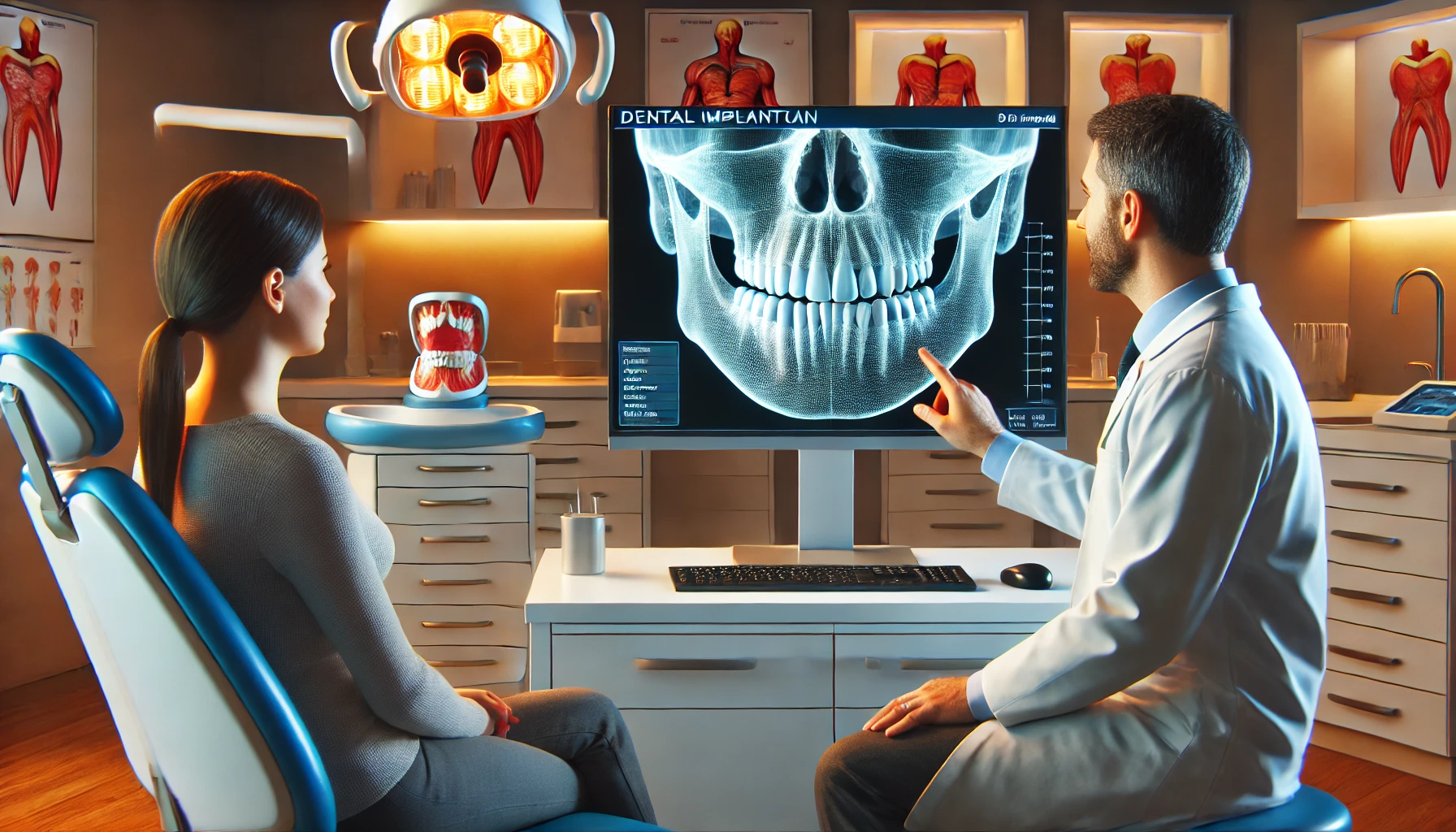
The main advantage of digital prosthetics is the combination of comfort, accuracy, and speed. Below are the main advantages that make CAD/CAM one of the most in-demand methods in the Factor Smile clinic:
- Speed — a crown, inlay, or veneer can be made and installed in one visit.
- Perfect accuracy — 3D scanning and computer modeling eliminate human errors, ensuring tight fitting of the structure.
- Comfort — no discomfort from impressions and multiple fittings.
- Aesthetics — ceramic structures without a metallic framework perfectly replicate the transparency and luster of a natural tooth.
- Biocompatibility — materials are safe for the body and do not cause allergic reactions.
- Durability — ceramic restorations are resistant to loads and do not darken over time.
Who is Suitable for CAD/CAM Prosthetics
This technology is suitable for the majority of patients who want to restore the aesthetics and functionality of their teeth. It is particularly effective in the following cases:
- replacement of old fillings and destroyed teeth with crowns or inlays;
- restoration of teeth after root canal treatment (endodontics);
- installation of veneers to improve the appearance of the smile;
- prosthetics on implants;
- creation of bridge structures when several teeth are missing.
In addition, CAD/CAM is ideal for patients who value their time and do not want to wait for the manufacture in the laboratory. Just one visit — and the smile is perfect again.
CAD/CAM and Traditional Methods: What's the Difference
Traditional methods of prosthetics include taking physical impressions, making gypsum models, and manually creating the structure by a dental technician. This process requires time and carries the risk of errors at each stage. CAD/CAM completely eliminates such errors, as all stages are controlled by digital technologies — from scanning to installation.
In addition, thanks to the accuracy of ceramic block processing, the structure achieves a tight fit, preventing the recurrence of tooth destruction and increasing the durability of the result. And the visual accuracy of color and shape makes restorations almost indistinguishable from natural teeth.
Why Choose Factor Smile in Dubai
The Factor Smile clinic combines the latest technologies, international standards, and an individual approach to each patient. Our doctors have trained and practiced in leading dental centers in Europe and the USA. We use certified CAD/CAM systems from world brands such as CEREC and Planmeca, which guarantees the highest quality and durability of the result.
Patients not only note the technical perfection of treatment but also the atmosphere of comfort: cozy cabinets, friendly staff, careful attitude even to the most anxious patients. We understand that a visit to the dentist may cause concern, so we do everything to make each procedure go smoothly and without pain.
Factor Smile — where the accuracy of digital technologies meets human warmth and care.