
Preservation of Bone Tissue After Tooth Extraction: Why Is It Important Before Future Dental Implant Placement?
After a tooth is extracted, the surrounding bone naturally begins to shrink over time. This normal biological process can make future dental implant placement more complex or delay treatment. To preserve the shape of the jaw and create optimal conditions for a future implant, a dentist may recommend socket preservation immediately after tooth extraction. In modern dental clinics across Dubai, this approach helps improve the predictability of implant treatment while reducing the likelihood of more extensive bone reconstruction procedures later.
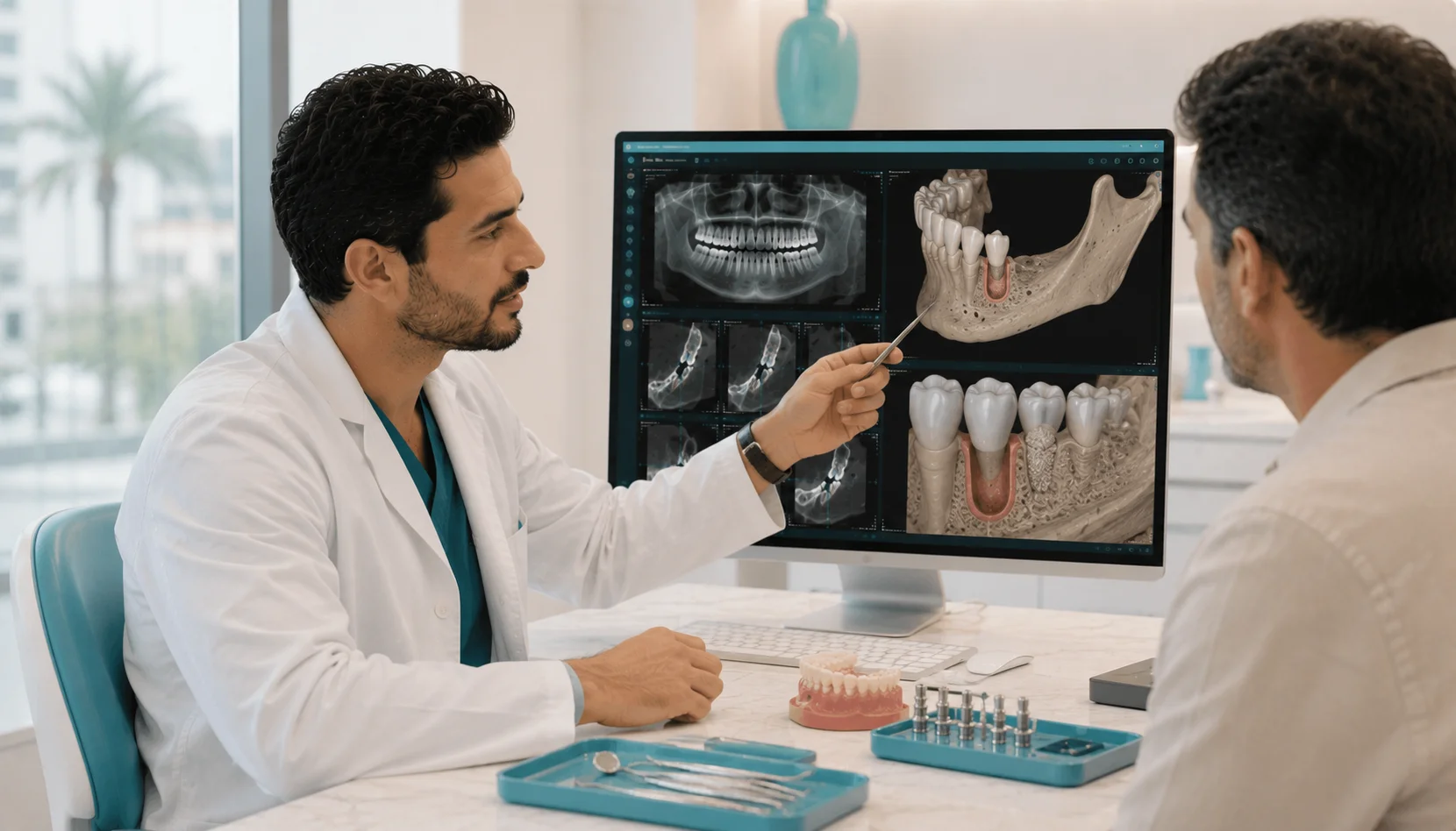
Why Does Bone Shrink After a Tooth Is Removed?
The root of a natural tooth continuously transfers chewing forces to the jawbone.
After extraction:
- mechanical stimulation disappears;
- the bone no longer receives normal functional loading;
- natural bone remodeling begins;
- the height and width of the alveolar ridge gradually decrease.
The most significant changes typically occur during the first few months after tooth extraction.
What Is Socket Preservation?
Socket preservation is a procedure performed immediately after a tooth has been removed.
Its goal is to preserve:
- bone volume;
- gum contours;
- the shape of the alveolar ridge;
- favorable conditions for future implant placement.
To achieve this, the extraction socket may be filled with bone grafting material and protected with a specialized membrane.
Is Socket Preservation Always Necessary?
Not in every clinical situation.
The decision depends on several factors, including:
- the existing bone volume;
- the location of the extracted tooth;
- future prosthetic treatment plans;
- the expected risk of bone resorption;
- the patient's individual anatomy.
When dental implant placement is planned in the future, preserving the extraction socket is often recommended to improve long-term treatment outcomes.
What Are the Benefits of Bone Preservation?
Preventing excessive bone loss early can significantly simplify future treatment.
Potential benefits include:
- preservation of natural bone volume;
- maintenance of natural gum contours;
- improved conditions for implant placement;
- reduced likelihood of extensive bone grafting;
- greater predictability of the final result.
This is particularly important in the smile zone, where even minor tissue loss may affect the final aesthetic outcome.
How Is the Procedure Performed?
Socket preservation is carried out immediately after or at the same appointment as tooth extraction.
The procedure generally includes:
- Gentle, minimally traumatic tooth extraction.
- Thorough cleaning of the extraction socket.
- Placement of a bone grafting material.
- Application of a protective membrane when indicated.
- Suturing and follow-up monitoring during healing.
Modern techniques are designed to preserve as much healthy tissue as possible.

When Can a Dental Implant Be Placed?
The timing depends on each patient's clinical situation.
The dentist evaluates:
- the quality of healing;
- newly formed bone volume;
- gum health;
- individual healing characteristics.
In some cases, implants can be placed immediately after tooth extraction, while in others they are inserted several months later after complete healing.
How Do Digital Technologies Improve Treatment Planning?
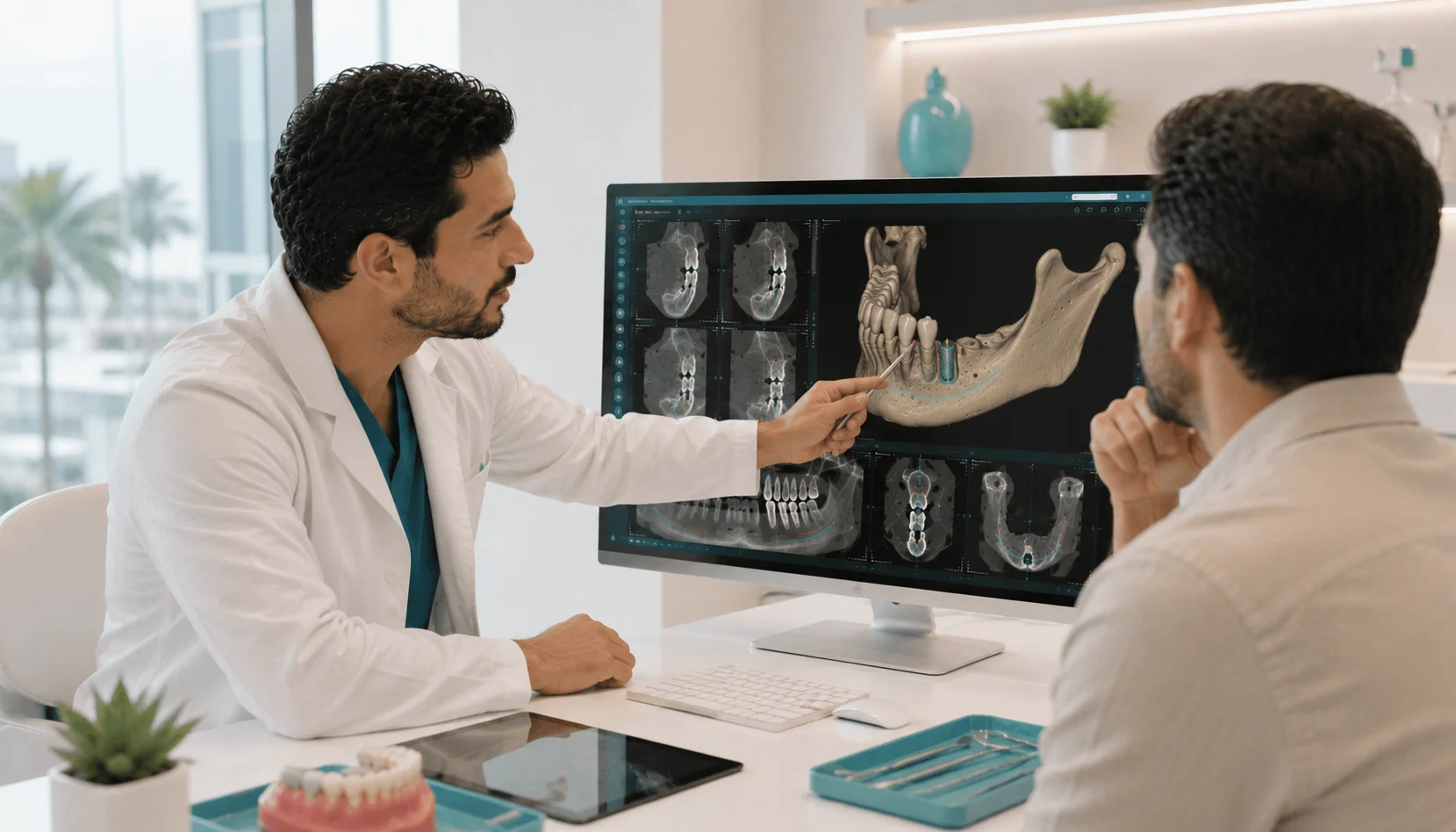
Digital diagnostics play an increasingly important role before tooth extraction and implant placement.
Modern assessment may include:
- CBCT imaging;
- digital intraoral scanning;
- virtual implant planning;
- three-dimensional evaluation of bone volume.
In dental centers throughout Dubai, digital planning helps dentists determine in advance whether socket preservation is recommended and select the most predictable treatment strategy.

What Happens If Significant Bone Loss Occurs?
When severe bone resorption develops, implant treatment may become more complex.
Possible situations include:
Clinical Situation |
Possible Solution |
| Insufficient bone volume | Bone grafting |
| Reduced ridge height | Bone augmentation |
| Loss of gum contour | Soft tissue grafting |
| Reduced implant stability | Additional surgical preparation |
For this reason, preventing bone loss is often simpler than rebuilding lost bone later.

Tooth extraction is not simply the end of one stage of treatment—it is often the beginning of preparing for future tooth replacement. Preserving bone tissue helps maintain natural jaw anatomy, creates favorable conditions for dental implants, and increases the predictability of long-term functional and aesthetic outcomes.
If you are planning a tooth extraction or considering dental implants in the future, contact Factor Smile in Dubai. Our specialists will perform comprehensive diagnostics, evaluate your bone condition, and recommend the most appropriate treatment strategy using advanced digital technologies and minimally invasive surgical techniques.
Frequently Asked Questions