
Bone Grafting in Dentistry: When Is It Necessary and How Is the Procedure Performed?
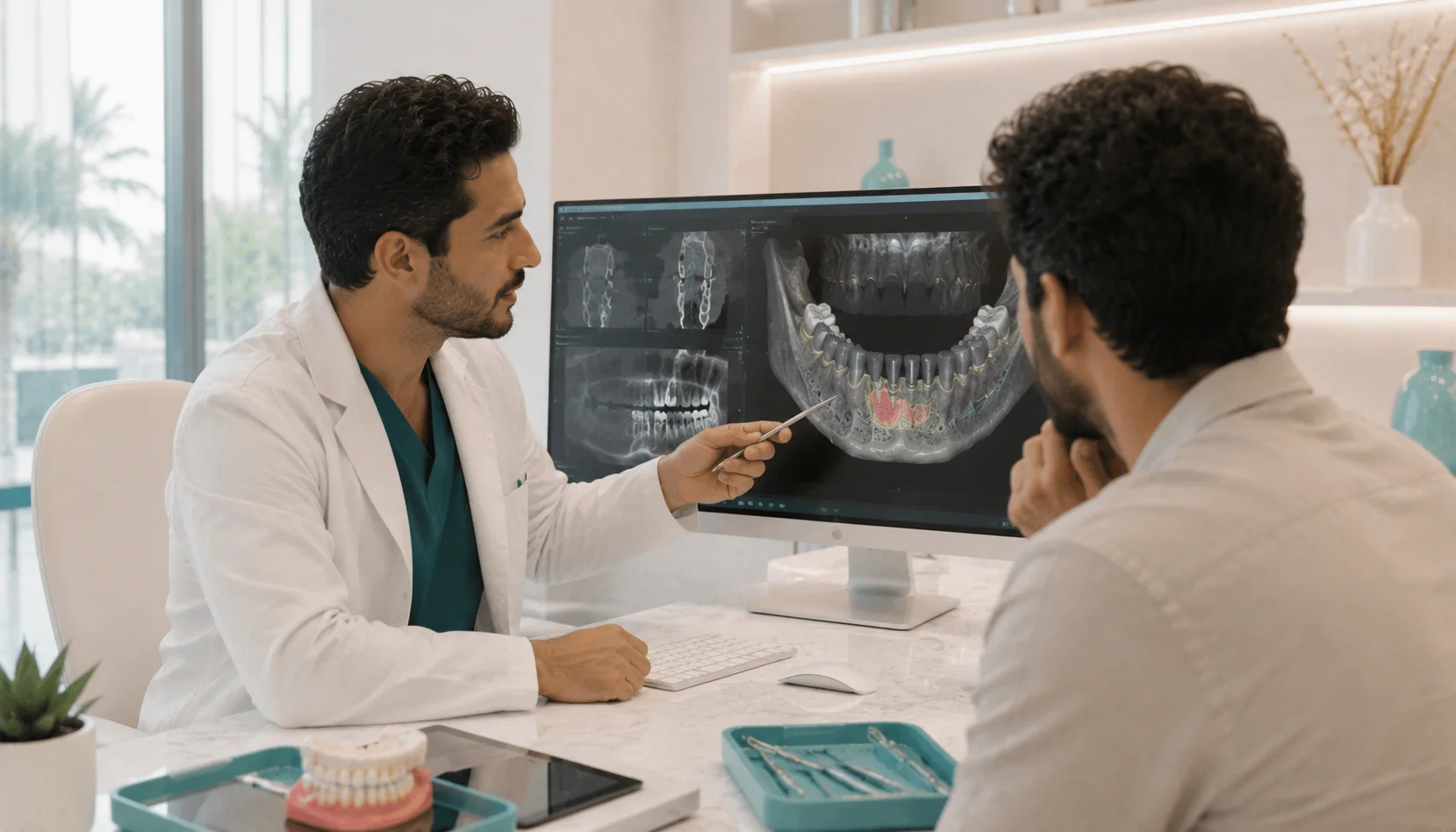
Bone grafting (bone augmentation) is a surgical procedure used to restore lost jawbone when there is insufficient bone volume to securely support a dental implant or maintain proper oral anatomy. It is most commonly recommended after long-term tooth loss, significant bone resorption, or traumatic injury. Modern techniques allow bone grafting to be performed predictably with minimal discomfort. In advanced dental clinics across Dubai, digital diagnostics and three-dimensional treatment planning help determine whether bone grafting is needed and identify the most appropriate surgical approach before treatment begins.
What Is Bone Grafting?
Bone grafting is a surgical procedure designed to increase the volume of bone in the upper or lower jaw.
Its primary purpose is to create a stable foundation for:
- dental implant placement;
- restoration of chewing function;
- preservation of natural gum contours;
- long-term stability of prosthetic restorations.
Without sufficient bone volume, reliable implant placement may not be possible.
Why Does Bone Loss Occur?
After a tooth is lost, the jawbone no longer receives normal chewing stimulation.
Over time, this leads to natural bone resorption.
The most common causes of bone loss include:
- prolonged absence of a tooth;
- tooth extraction without subsequent implant placement;
- periodontal disease;
- chronic infection;
- jaw trauma;
- individual anatomical characteristics.
The longer a tooth has been missing, the greater the likelihood of significant bone loss.
When Is Bone Grafting Actually Necessary?
Not every patient requires bone augmentation.
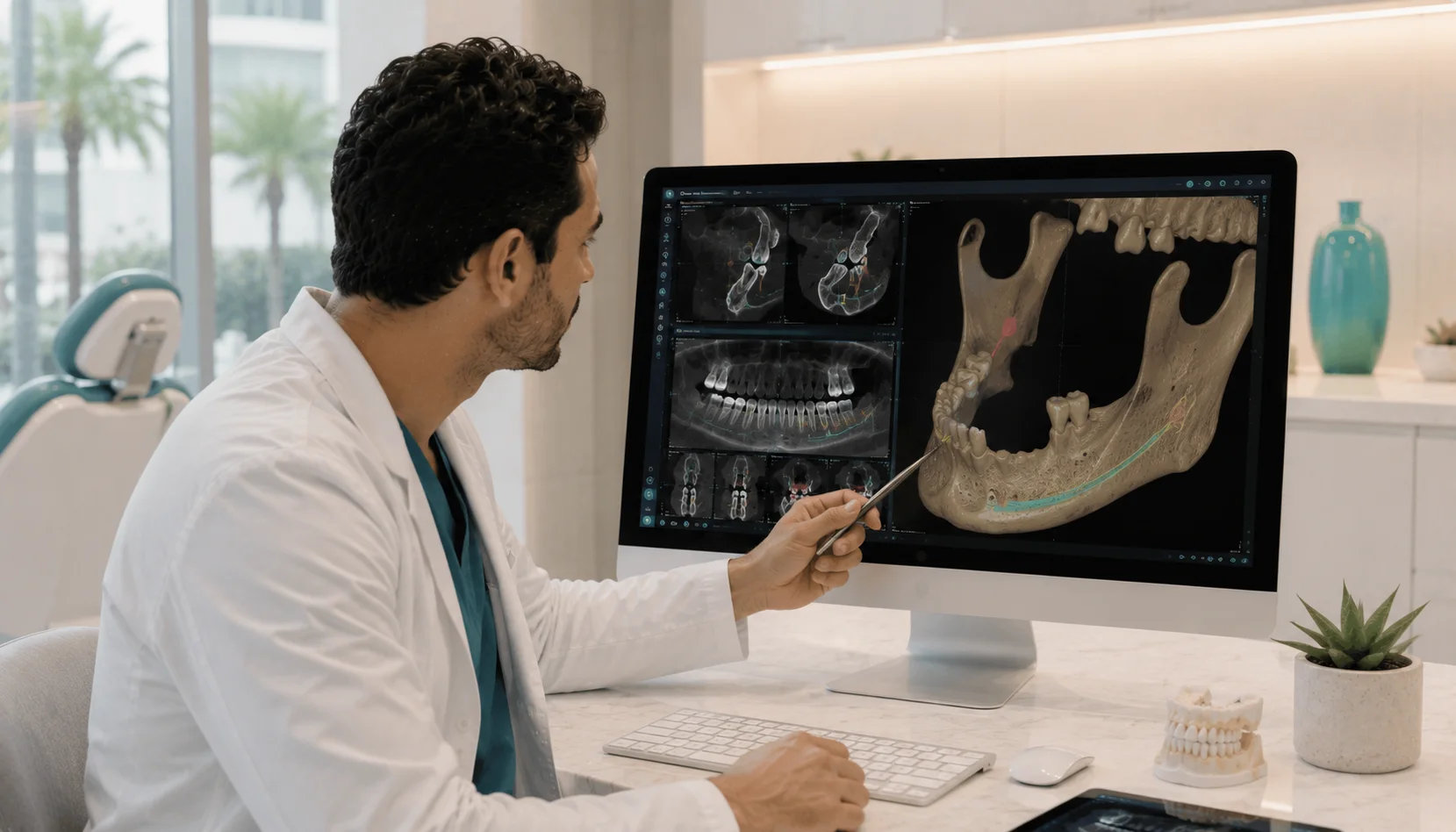
The need for treatment is determined after comprehensive diagnostic evaluation.
Common indications include:
- insufficient width of the alveolar ridge;
- inadequate bone height;
- severe bone resorption following tooth loss;
- preparation for dental implant placement;
- reconstruction after inflammatory bone destruction.
The decision is based on clinical examination together with Cone Beam CT (CBCT) imaging.
Which Bone Grafting Techniques Are Used?
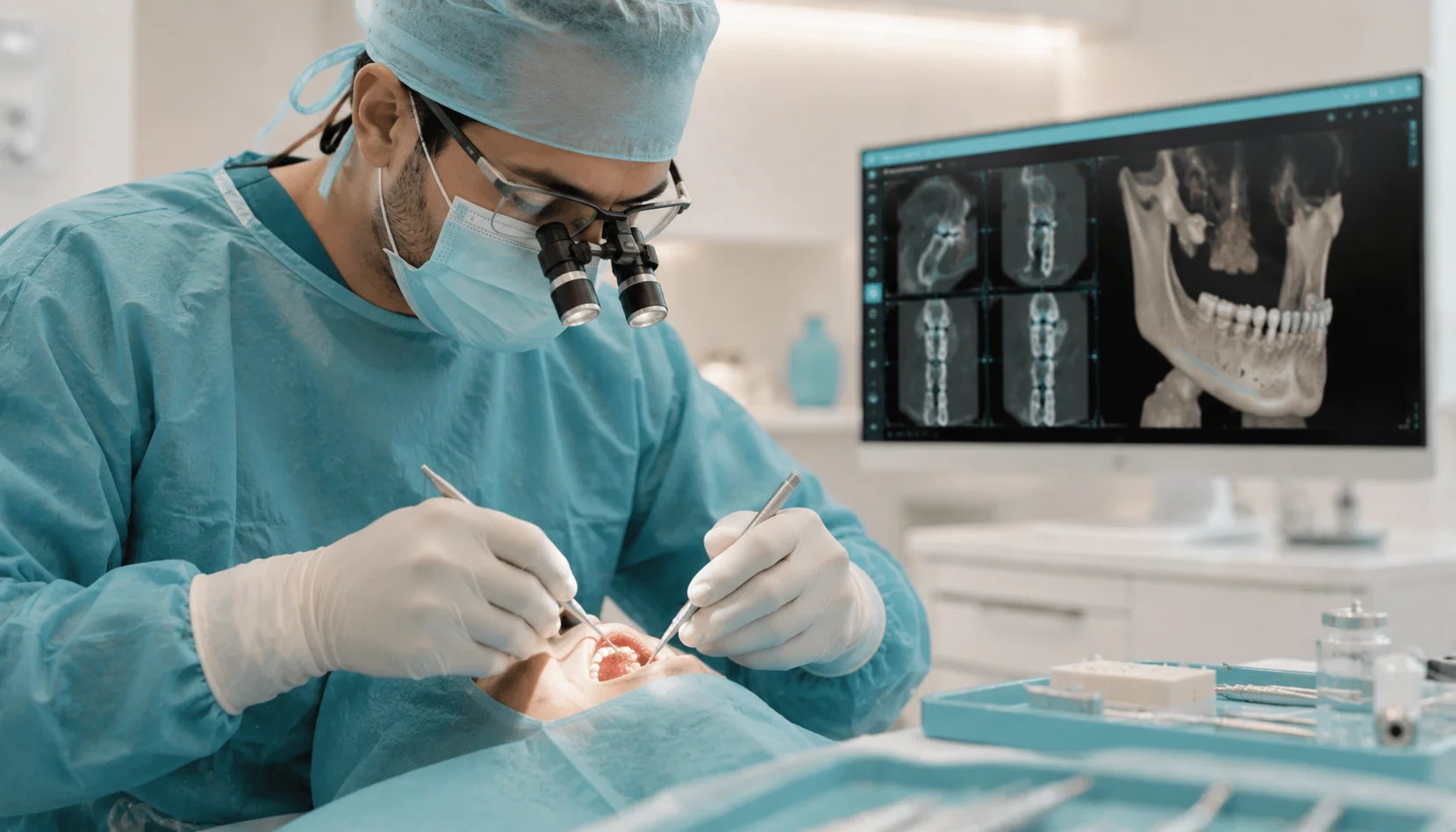
Modern oral surgery offers several methods of bone augmentation.
The choice depends entirely on the patient's clinical condition.
Common techniques include:
- Guided Bone Regeneration (GBR);
- bone graft substitute materials;
- autogenous bone grafting;
- sinus lift surgery for the upper jaw;
- combined bone augmentation techniques.
Each approach has specific indications and is selected individually.
How Is the Procedure Performed?
Modern bone grafting is typically carried out under local anesthesia.
The procedure generally includes several stages:
- Comprehensive digital diagnostics.
- Three-dimensional surgical planning.
- Preparation of the treatment area.
- Placement of bone graft material.
- Application of a protective membrane when indicated.
- Closure of the surgical site with sutures.
Following surgery, the body gradually forms new bone tissue around the graft.

Can an Implant Be Placed at the Same Time?
In many cases, yes.
This depends on several factors, including:
- the remaining bone volume;
- primary implant stability;
- the location of the bone defect;
- the patient's individual anatomy.
If sufficient stability cannot be achieved, bone grafting is performed first, and implant placement is scheduled after healing is complete.
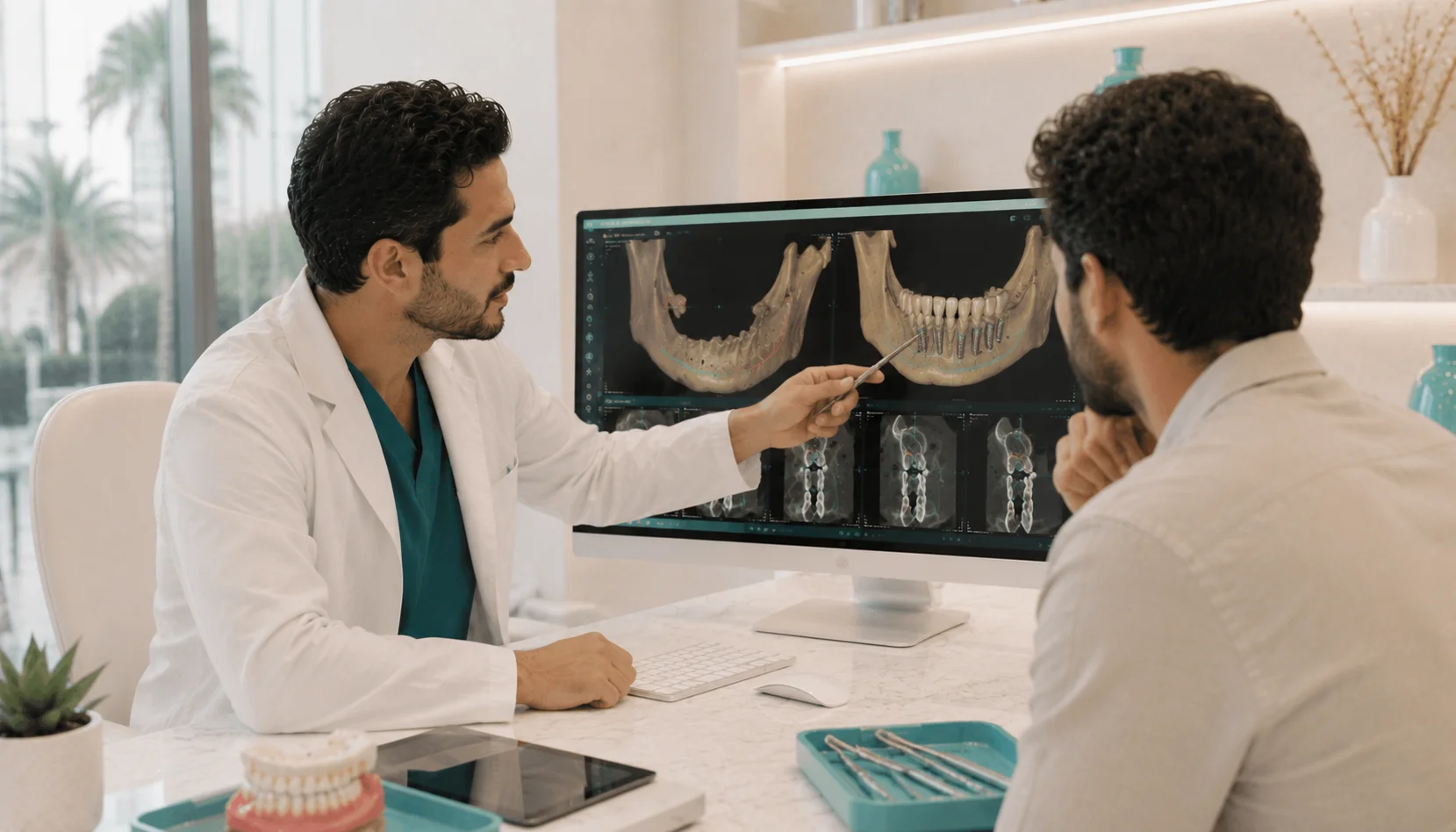
How Do Digital Technologies Help Oral Surgeons?
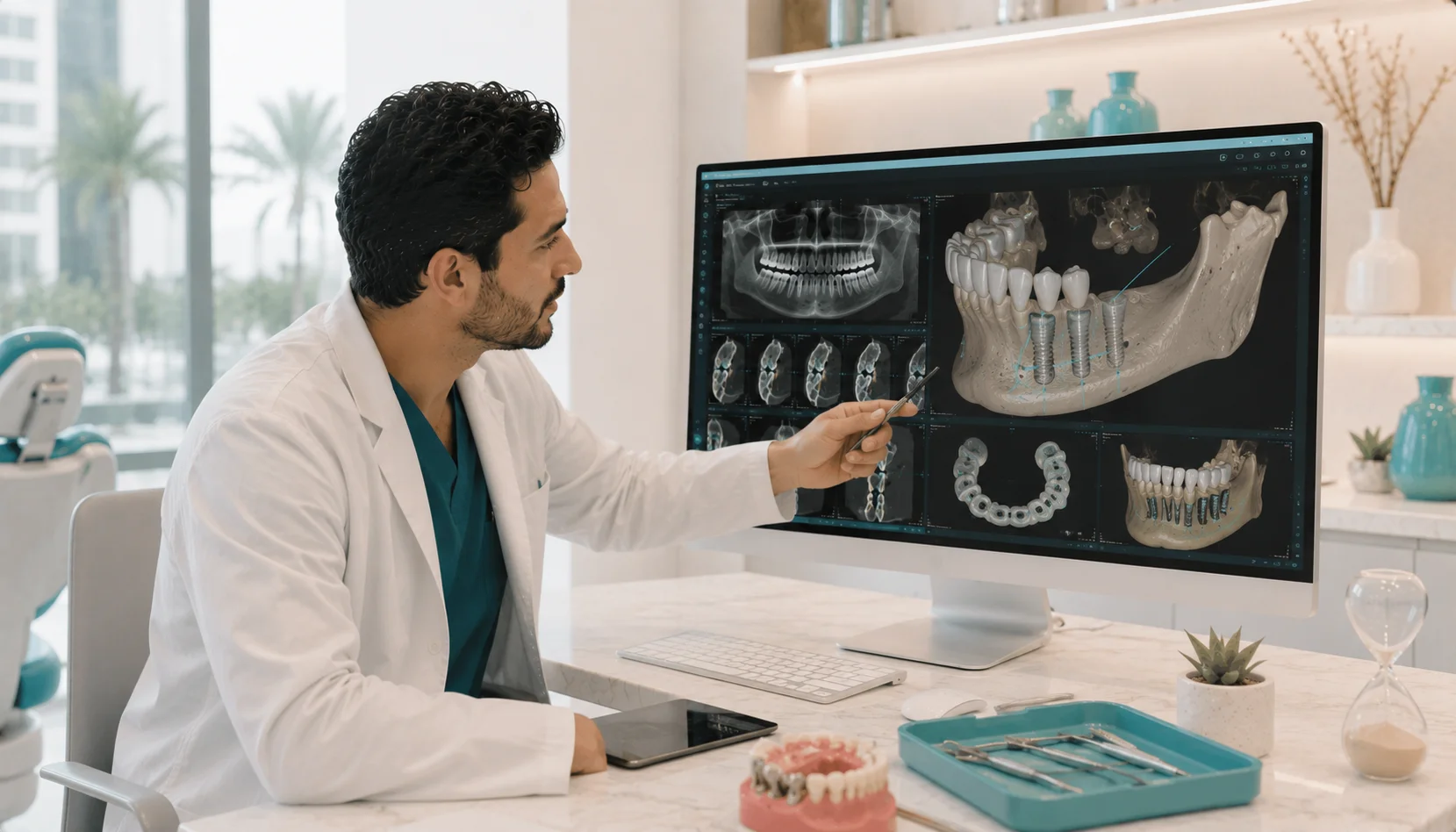
Modern digital diagnostics significantly improve treatment precision.
Commonly used technologies include:
- Cone Beam Computed Tomography (CBCT);
- virtual surgical planning;
- digital implant simulation;
- computer-guided surgical templates;
- three-dimensional bone volume analysis.
In modern dental clinics throughout Dubai, digital planning allows surgeons to accurately evaluate bone deficiencies before surgery, improving predictability and minimizing unexpected findings during treatment.
Recovery After Bone Grafting
Following bone augmentation, patients should carefully follow their dentist's instructions.
Typical recommendations include:
- avoiding strenuous physical activity;
- eating a soft diet during the initial healing period;
- maintaining excellent oral hygiene;
- taking prescribed medications as directed;
- attending scheduled follow-up appointments.
Careful postoperative management supports successful healing and new bone formation.
Implant Placement With and Without Bone Grafting
Implant Placement Without Bone Grafting |
Implant Placement After Bone Grafting |
| Possible only when sufficient bone volume is present | Restores bone volume before implant placement |
| Limited by existing anatomy | Expands treatment possibilities |
| Not suitable for severe bone loss | Appropriate when bone deficiency is present |
| Implant placement may not be possible | Creates a stable foundation for predictable implant treatment |

Insufficient jawbone volume does not necessarily mean that dental implants are impossible. Modern bone grafting techniques allow surgeons to rebuild lost bone, restore healthy jaw anatomy, and create a strong foundation for long-term implant success. Combined with advanced digital diagnostics and individualized treatment planning, bone augmentation has become a highly predictable part of modern implant dentistry.
If you are considering dental implants or would like to find out whether you have enough bone for implant placement, contact Factor Smile in Dubai. Our specialists use advanced CBCT imaging, digital treatment planning, and modern surgical techniques to evaluate your bone structure and develop the safest, most predictable treatment plan tailored to your individual needs.
Frequently Asked Questions