
3D Printing in Dentistry: How Modern Technologies Are Transforming Treatment and Smiles
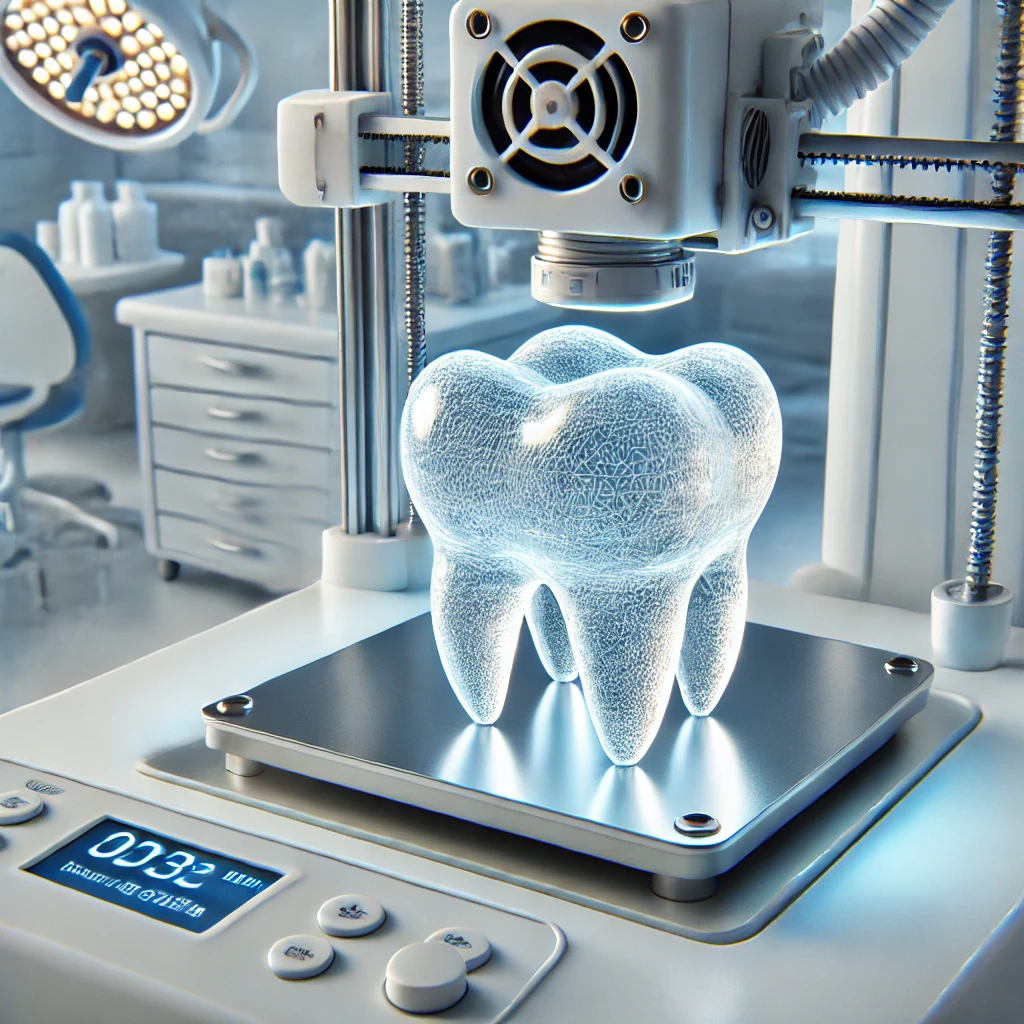
Over the past few years, dentistry has undergone a technological leap comparable to the transition from film to digital photography. One of the key innovations driving this change is 3D printing, which has fundamentally reshaped diagnostics, treatment, and prosthetics. Today, patients can receive fully customized dental solutions created with micron-level precision in just days — and sometimes even hours. For next-generation clinics like Factor Smile, 3D printing is no longer experimental; it is a standard of modern dental care.
What Is 3D Printing in Dentistry — Explained Simply
3D printing in dentistry is a technology that builds medical structures layer by layer based on a digital model. First, the dentist collects precise data through intraoral scanning or CT imaging. Then a virtual design is created, and a specialized printer transforms it into a physical object. Unlike traditional methods, this process eliminates the human factor and manual adjustments. As a result, patients receive restorations that perfectly match the anatomy of their teeth and jaw.
Why 3D Printing Is a Breakthrough for Patients
The main advantage of 3D printing is predictability. Patients can see how their future crown, veneer, or aligner will look before treatment even begins. This significantly reduces remakes, shortens treatment time, and minimizes discomfort. In addition, digital files are stored and can be reused, allowing quick replacement or adjustment without new impressions.
Where 3D Printing Is Used in Modern Dentistry
Today, 3D printing is applied comprehensively rather than selectively. It is used to create:
- Temporary and permanent crowns;
- Veneers and prosthetic restorations;
- Surgical guides for implant placement;
- Orthodontic aligners and retainers;
- Jaw models for planning complex treatments.
This means the patient receives not just a single dental component, but part of a fully integrated digital treatment system.
3D Printing and Implant Dentistry: Precision That Shapes Outcomes
Precision is critical in implant dentistry. 3D printing allows the creation of surgical guides that position implants at exact angles and depths. This reduces the risk of error, shortens surgery time, and accelerates healing. For patients, this translates into less trauma, faster recovery, and predictable results — even in complex clinical cases.
Orthodontics and 3D Printing: The Next Generation of Aligners
Aligners are one of the most visible applications of 3D printing. Each aligner is produced from a digital model that accounts for microscopic tooth movements. This enables orthodontists to plan the entire treatment path in advance and show patients the expected result. The approach makes bite correction more precise, comfortable, and predictable, while reducing unexpected adjustments during treatment.
Prosthetics: Why 3D Printing Outperforms Traditional Methods
In the past, prosthetic outcomes depended heavily on manual work and the quality of physical impressions. Today, digital modeling and 3D printing produce restorations with exceptional fit. This improves aesthetics, load distribution, and long-term durability. For patients, it means fewer visits, no prolonged adaptation period, and a restoration that truly feels natural.
Treatment Speed: How 3D Printing Saves Patients Time
Speed is one of the top priorities for modern patients. 3D printing dramatically shortens production timelines. What once took weeks can now be completed in days. In some cases, temporary restorations are fabricated on the same day. This is especially valuable for patients traveling to Dubai for dental care as part of medical tourism.
Safety and Accuracy: Facts That Matter to Patients
3D printing in dentistry meets strict medical standards. The materials used are biocompatible, and printing accuracy reaches fractions of a millimeter. This reduces the risk of inflammation, poor fit, and repeat procedures. Digital planning also allows dentists to identify risks in advance and choose the least invasive treatment strategy.
Why Aesthetic Results Look More Natural with 3D Printing
Today’s patients increasingly prefer natural-looking smiles over unnaturally white or uniform teeth. 3D modeling takes into account facial proportions, smile line, bite alignment, and even facial expressions. The result is restorations that look harmonious and authentic, without revealing dental intervention.
What Has Fundamentally Changed in Recent Years
Previously, technology primarily served the dentist; today, it serves both the dentist and the patient. 3D printing has made treatment transparent. Patients understand each step, see outcomes in advance, and feel confident in the process. This reduces anxiety, builds trust, and makes dentistry more comfortable and patient-centered.
The Future of 3D Printing in Dentistry
In the coming years, 3D printing will become even more advanced: permanent crowns printed from new materials, faster production, and deeper integration with artificial intelligence. This will lead to even greater personalization and shorter treatment timelines. Dentistry is evolving into a truly individualized medical discipline.
Why Factor Smile Uses 3D Printing as a Standard
At Factor Smile, 3D printing is part of a systematic approach to care. We integrate digital diagnostics, modeling, and printing to:
- Increase treatment accuracy;
- Shorten timelines;
- Deliver predictable results;
- Achieve natural, non-template aesthetics.
Conclusion: 3D printing has already transformed dentistry, making it more precise, faster, and more comfortable. If you are looking for treatment based on accurate calculations and advanced technology, start with a consultation at Factor Smile. Here, digital solutions work for your smile — not the other way around.