
Why Teeth Whitening Fades Faster Than Expected — and How to Maintain Long-Lasting Results
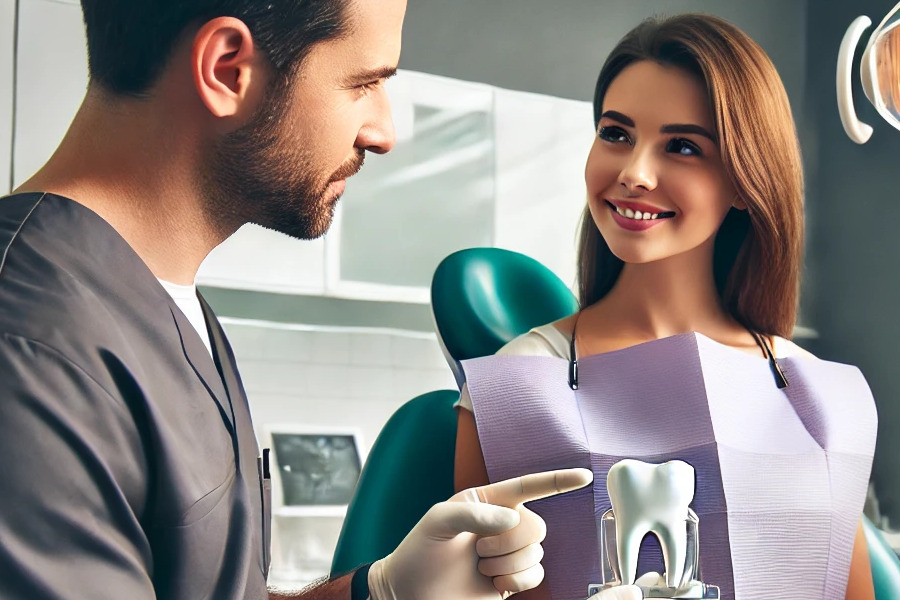
Teeth whitening remains one of the most popular aesthetic dental procedures, yet many patients experience disappointment when the results fade much sooner than expected. Within just a few months, teeth may begin to darken again, and the “fresh smile” effect gradually disappears. The reason lies not only in food and beverages, but also in enamel biology, the quality of the whitening procedure, and post-treatment care. To maintain long-lasting whiteness, it is essential to understand why the effect fades and how to properly support it.
What Really Happens to Enamel During Whitening
During professional whitening, active agents penetrate the enamel and dentin, breaking down pigmented compounds. Teeth become lighter not because a “white layer” is added, but due to chemical changes in pigments. At the same time, enamel temporarily becomes more porous and vulnerable. If recommendations are not followed during this period, pigments return faster than before the procedure.
Why Whitening Often Loses Its Effect Faster Than Promised
The main reason is the lack of a comprehensive approach. Many patients treat whitening as a one-time procedure, without considering enamel condition, microcracks, or plaque buildup. Improper home-care products, frequent exposure to acids, and enamel dehydration also accelerate discoloration. In hot climates like the UAE, this process occurs even faster.
Dubai’s Climate and Its Impact on Whitening Longevity
High temperatures and dry air contribute to dehydration of the oral tissues and enamel. Saliva is the primary natural defense for teeth, and when its quantity is reduced, enamel absorbs pigments more quickly. This is one reason patients in Dubai notice faster discoloration after whitening. Without adjusting oral care and hydration habits, even high-quality whitening may deliver only short-term results.
Diet and Beverages: Hidden Enemies of a White Smile
Coffee, tea, and red wine are only the most obvious culprits. Acidic fruits, sauces, carbonated drinks, and even some “healthy” smoothies actively affect enamel. They are particularly harmful during the first weeks after whitening, when teeth absorb pigments most easily. During this period, whitening results can fade within months.
Common Home-Care Mistakes After Whitening
A frequent mistake is using abrasive or “whitening” toothpaste immediately after the procedure. These products thin enamel and speed up re-staining. Another issue is irregular oral hygiene and skipping professional cleanings. Even the best whitening will not withstand plaque and tartar accumulation.
Why Professional Cleaning Is More Effective Than Re-Whitening
Many patients attempt to restore whiteness through repeated whitening instead of addressing the cause of discoloration. In practice, professional cleaning often delivers a more noticeable and safer result. Removing plaque and surface pigments restores brightness without additional enamel stress. This is especially important for long-term dental health.
How to Maintain Whitening Results: Practical Recommendations
- follow a “white diet” for at least 10–14 days after whitening;
- use low-abrasive toothpaste;
- maintain proper hydration, especially in hot climates;
- undergo professional cleaning every 4–6 months;
- avoid aggressive at-home whitening methods.
These steps can extend whitening results by 1.5–2 times without harming enamel.
Maintenance Whitening: When and Why It’s Needed
Modern dentistry increasingly favors maintenance protocols over repeated intensive treatments. These may include custom trays with mild gels or gentle in-office techniques. This approach reduces enamel stress and helps maintain an even tooth shade for years rather than months.
Individualized Care Is the Key to Long-Term Results
There is no universal duration for how long whitening should last. Everything depends on enamel structure, lifestyle habits, diet, and oral care. That is why at Factor Smile, dentists assess not only tooth color but also enamel condition before whitening. This allows selection of both the whitening method and a maintenance program that truly works for each patient.
Why Whitening Results Last Longer at Factor Smile
- evaluation of enamel condition before treatment;
- individual selection of whitening methods;
- personalized aftercare recommendations;
- maintenance programs to preserve results.
As a result, patients receive not a temporary effect, but stable, safe whitening without compromising dental health.
Conclusion: Whiteness Is a Strategy, Not a One-Time Procedure
Whitening fades quickly not because “that’s normal,” but because the right strategy is missing. Long-lasting whiteness is achievable with proper planning, professional supervision, and correct aftercare. If your goal is not just to whiten your teeth, but to maintain results, start with a consultation at Factor Smile. We’ll show you how to make your smile bright — and keep it that way.