
Why Do Dental Implants Sometimes Fail and How Can the Risk of Complications Be Reduced?
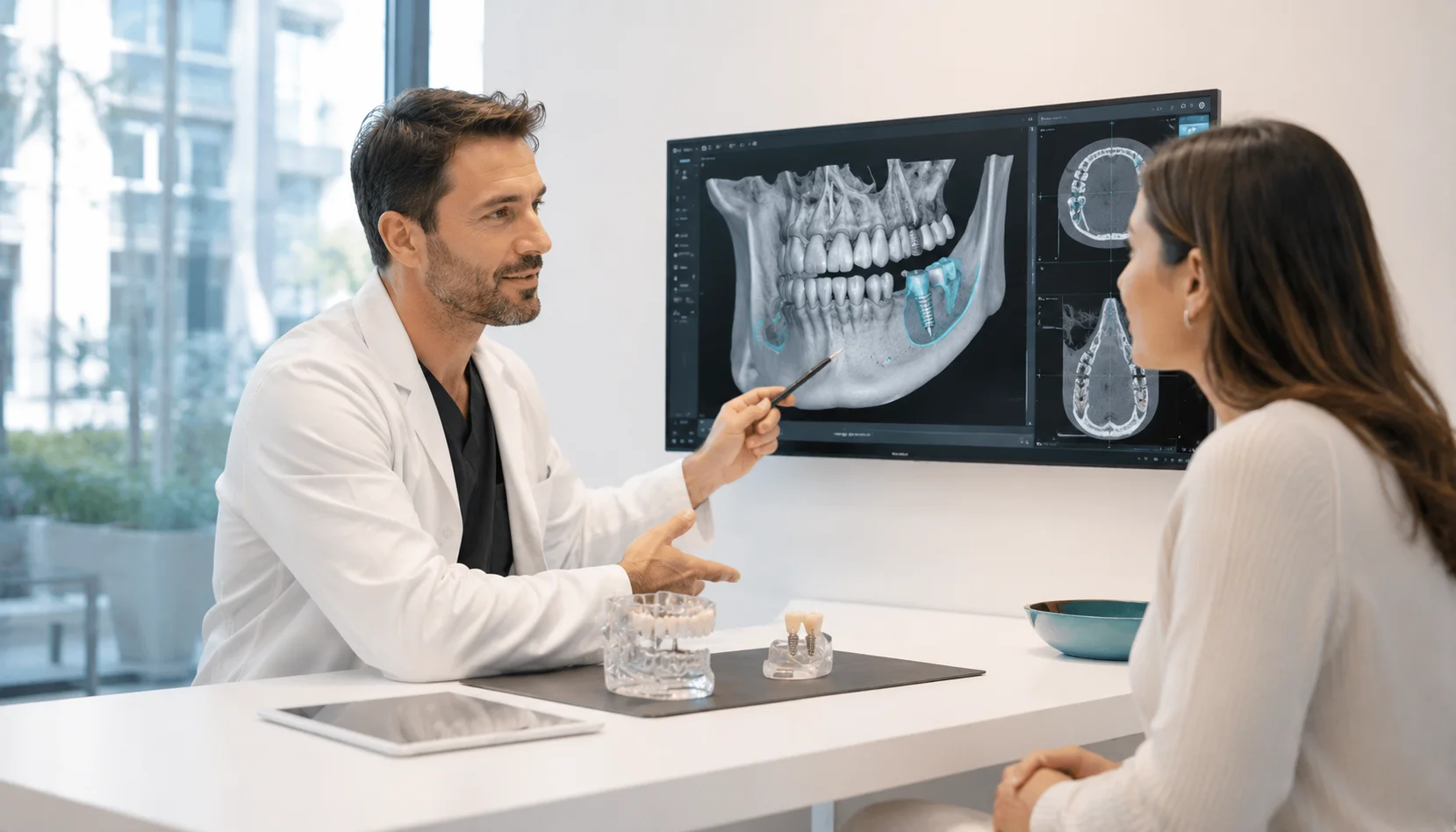
Modern dental implants have a very high success rate, but in some cases the osseointegration process may be disrupted. Factors such as overall health, insufficient bone volume, active inflammation, smoking, or failure to follow post-operative instructions can affect healing. In most situations, risks can be significantly reduced through comprehensive diagnostics and careful treatment planning in dental clinics across Dubai.
What Does “Implant Integration” Mean?
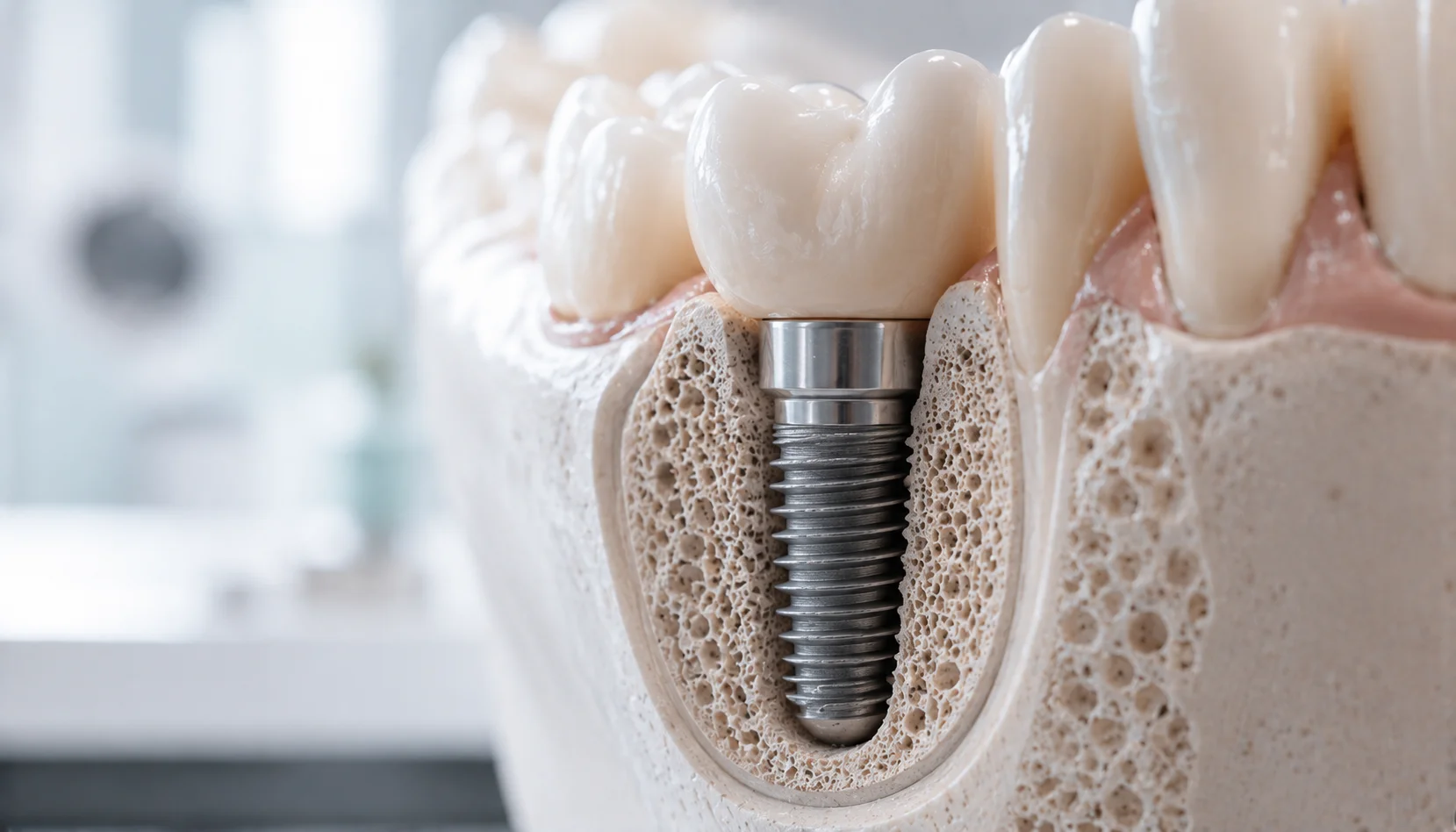
After placement, a dental implant must fuse with the surrounding jawbone. This biological process is called osseointegration.
During healing:
- bone tissue gradually grows around the implant;
- a stable foundation for the future crown is created;
- the implant becomes capable of supporting chewing forces.
Successful osseointegration is the key factor behind the long-term stability and function of a dental implant.
How Often Do Dental Implants Fail?
Modern implant dentistry is considered one of the most predictable fields in dentistry.
In the vast majority of cases, treatment is successful. However, no medical procedure can completely eliminate the possibility of complications.
The level of risk may depend on:
- overall health condition;
- bone quality and volume;
- presence of inflammation or infection;
- adherence to post-operative instructions;
- complexity of the clinical case.
Common Causes of Implant Failure
1. Insufficient Bone Volume or Quality
Adequate bone volume is necessary for stable implant placement.
Challenges are more common when:
- a tooth has been missing for a long time;
- significant bone loss has occurred;
- conditions affecting bone density are present.
In such situations, bone grafting procedures may be required before or during implant placement.
2. Inflammatory Conditions
Active oral infections can negatively affect healing.
Special attention is given to:
- gum disease;
- chronic inflammation;
- infection around neighboring teeth.
These issues should be treated before implant surgery whenever possible.
3. Smoking
Smoking is one of the most well-known risk factors in implant dentistry.
It may:
- reduce blood supply to tissues;
- slow the healing process;
- increase the likelihood of inflammatory complications.
4. Systemic Health Conditions
Certain medical conditions require additional monitoring during treatment.
Examples include:
- diabetes;
- immune system disorders;
- metabolic diseases;
- conditions associated with impaired wound healing.
Having a medical condition does not automatically prevent implant treatment, but it often requires a personalized approach.
5. Failure to Follow Post-Operative Instructions
The outcome depends not only on the dentist’s work but also on the patient’s cooperation.
After implant placement, it is important to:
- maintain proper oral hygiene;
- attend follow-up appointments;
- avoid excessive stress on the implant area;
- take prescribed medications as directed.

How Can the Risk of Complications Be Reduced?
Modern treatment protocols are designed to minimize risks as much as possible.
Common preventive measures include:
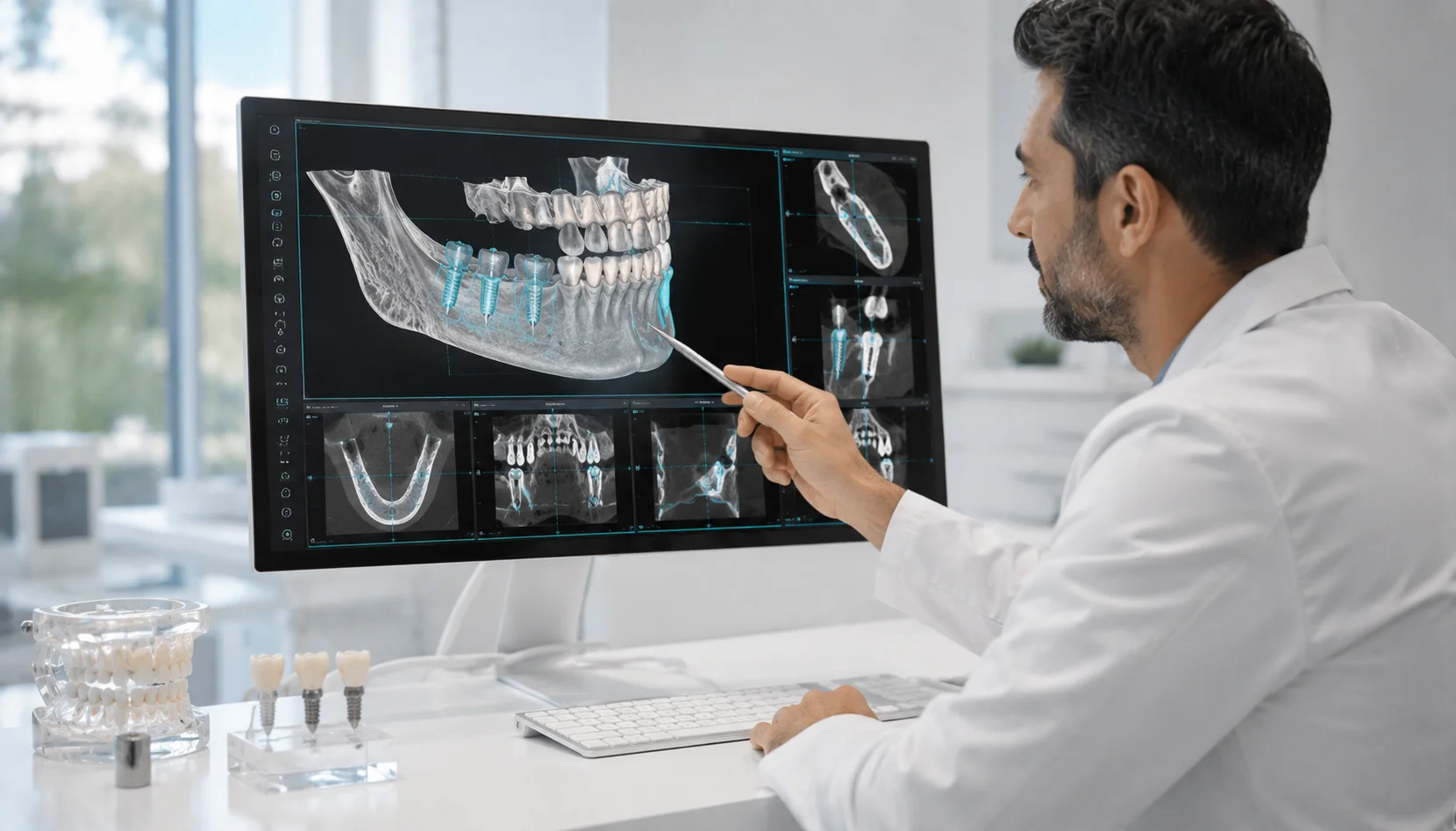
- CBCT (3D imaging);
- digital treatment planning;
- assessment of bone volume and quality;
- evaluation of gum health;
- selection of an appropriate implant system.
In dental centers throughout Dubai, digital planning helps determine the ideal implant position and identify potential limitations before treatment begins.
Warning Signs to Watch For
After surgery, patients should contact their dentist if they experience:
- increasing pain;
- significant swelling;
- implant mobility;
- discharge from the surgical site;
- prolonged discomfort beyond the expected healing period.
Early intervention often allows potential problems to be addressed before they become more serious.
What Happens If an Implant Does Not Integrate?
In many cases, the situation can be successfully managed.
Possible solutions include:
Situation |
Possible Solution |
| Incomplete osseointegration | Re-implantation after healing |
| Bone deficiency | Bone grafting procedure |
| Inflammation | Treatment and revised planning |
| Excessive loading | Adjustment of the prosthetic restoration |
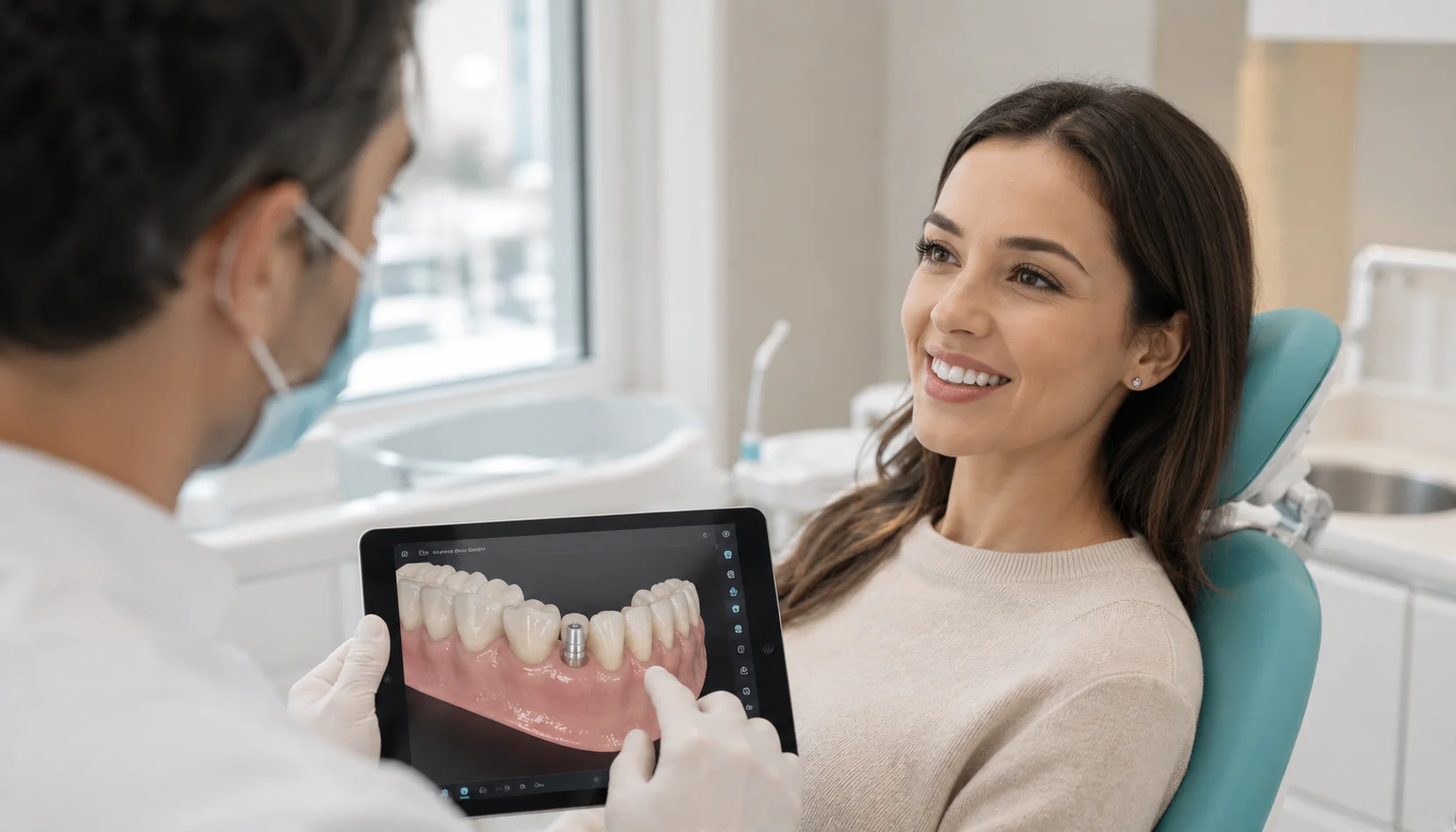
Each case requires an individual assessment based on clinical findings and diagnostic imaging.

Modern implant dentistry makes it possible to restore missing teeth successfully even in complex clinical situations. Most risk factors can be identified during the diagnostic stage, and careful planning significantly improves the likelihood of a stable long-term result.
If you are considering dental implants in Dubai or would like a second opinion regarding existing implants, contact Factor Smile clinic. Our specialists will perform a comprehensive evaluation, assess bone quality and oral health, and recommend the safest and most predictable treatment plan for long-term success.