
Gum Grafting Around Teeth and Dental Implants: When Is It Necessary?
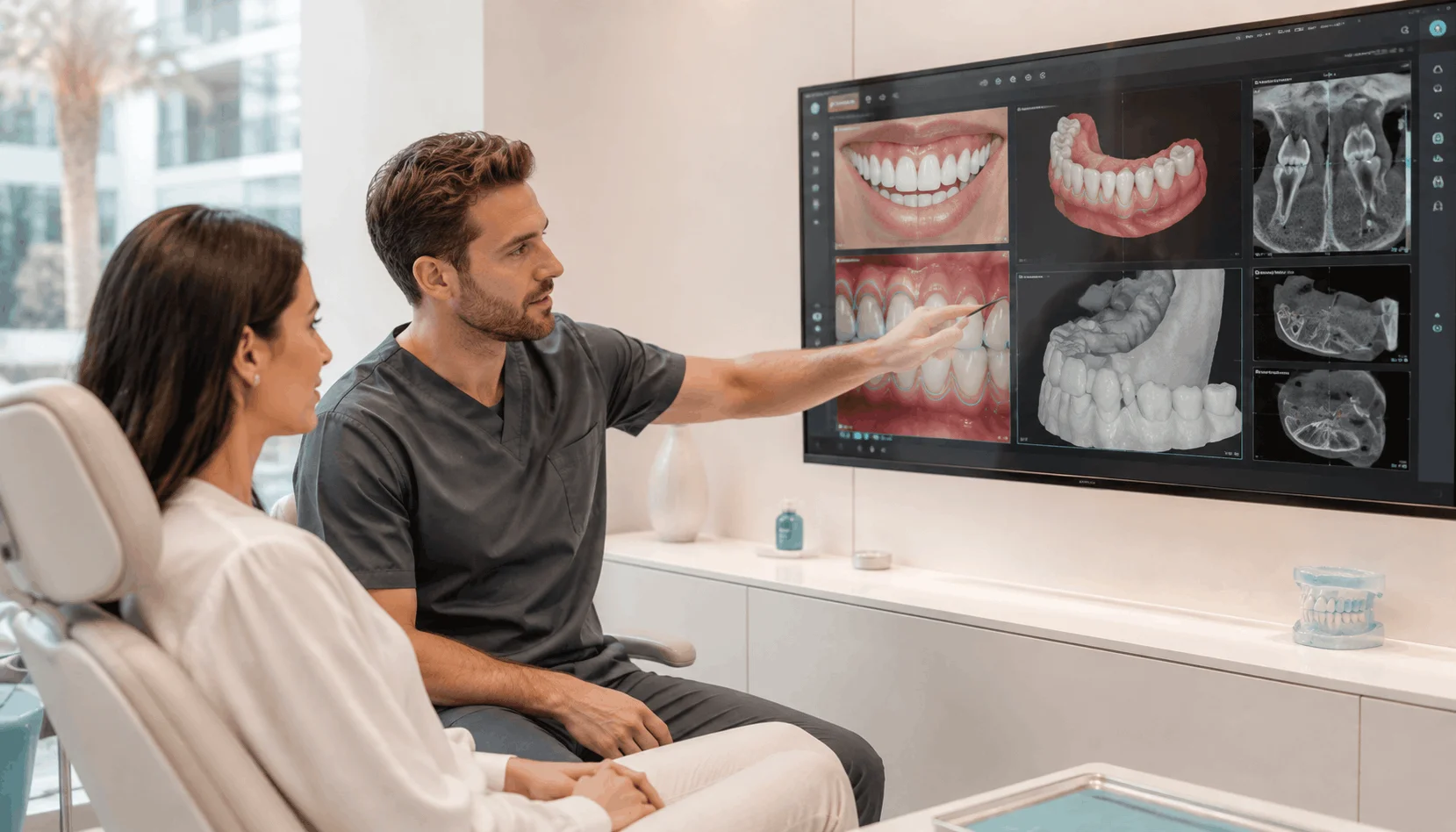
Gum grafting is a microsurgical procedure designed to restore the volume, shape, or position of soft tissues around natural teeth and dental implants. It may be recommended to treat gum recession, increase soft tissue thickness, prepare for implant placement, or improve the appearance of the smile. Modern techniques allow these procedures to be performed with minimal discomfort while providing predictable functional and aesthetic outcomes. In advanced dental clinics throughout Dubai, the need for gum grafting is determined through comprehensive digital diagnostics and a detailed assessment of the patient's soft tissue condition.
What Is Gum Grafting?
Gum grafting, also known as mucogingival surgery, is a microsurgical procedure performed to restore healthy gum contours and strengthen soft tissues.
The main goals of treatment include:
- covering exposed tooth roots;
- increasing the width of attached gum tissue;
- protecting tooth roots;
- improving smile aesthetics;
- creating healthy soft tissue around dental implants;
- supporting long-term tissue stability.
Every treatment plan is tailored to the patient's individual clinical situation.
When Is Gum Grafting Really Necessary?
Not every case of gum recession requires surgery.
However, there are situations where treatment can significantly improve the long-term prognosis.
The most common indications include:
- exposed tooth roots;
- tooth sensitivity caused by recession;
- insufficient gum volume around an implant;
- thin gingival biotype;
- preparation for dental implant treatment;
- aesthetic irregularities of the gum line;
- progressive gum recession.
The decision is made only after a comprehensive clinical examination.
Why Does Gum Recession Occur?
Gum recession usually develops gradually and may result from several contributing factors.
Common causes include:
- periodontal disease;
- overly aggressive tooth brushing;
- bite abnormalities;
- naturally thin gum tissue;
- chronic inflammation;
- previous orthodontic treatment;
- age-related tissue changes.
Early diagnosis often allows treatment to be simpler and more predictable.
Why Is Gum Grafting Performed Around Dental Implants?
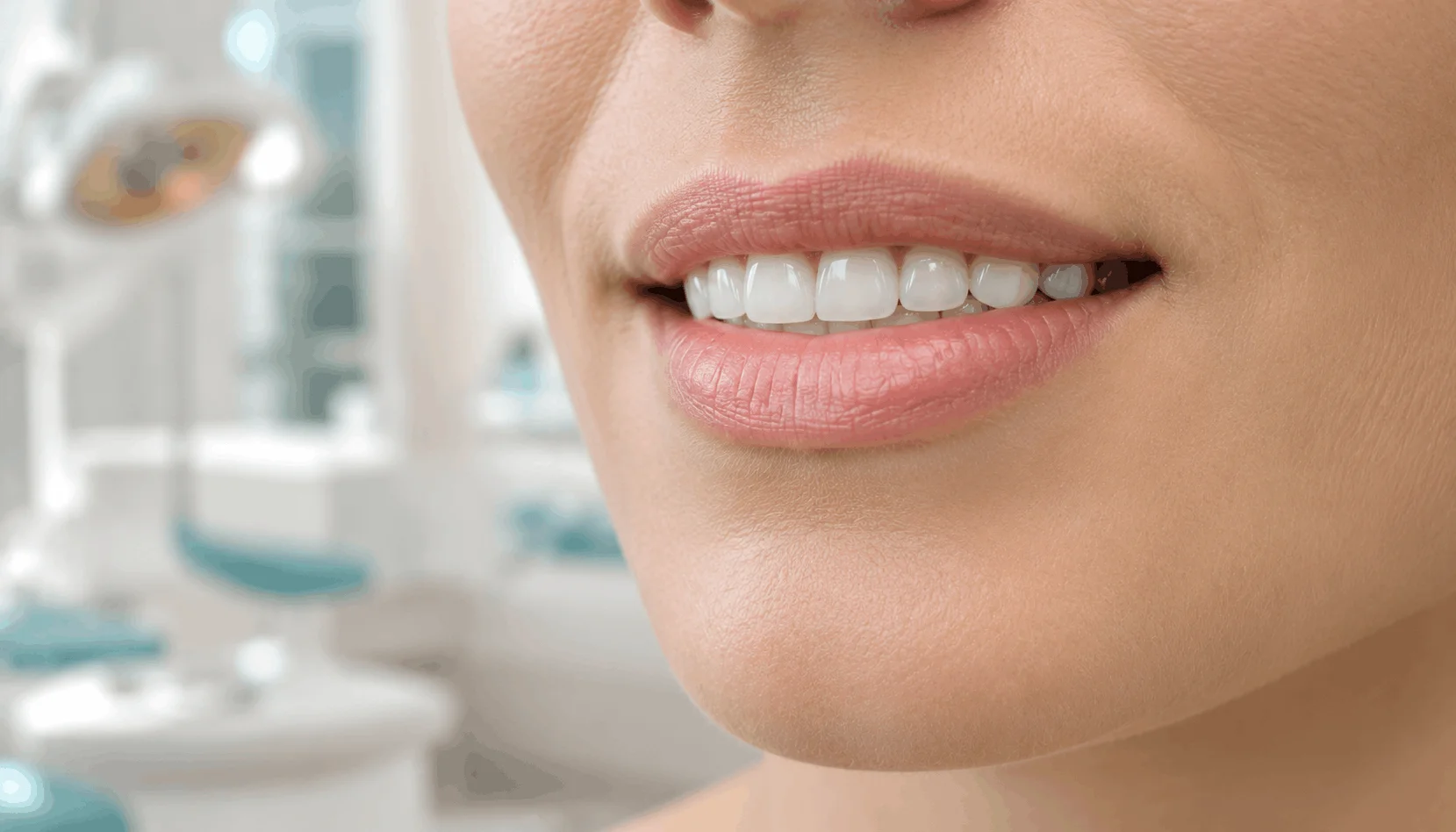
Healthy soft tissue plays an essential role in the long-term success of dental implants.
Adequate gum volume helps to:
- protect the implant from external influences;
- simplify daily oral hygiene;
- create a natural-looking gum contour;
- reduce the risk of soft tissue inflammation;
- improve the aesthetic outcome of implant treatment.
For these reasons, gum grafting is often included as part of comprehensive implant rehabilitation.
How Is the Procedure Performed?
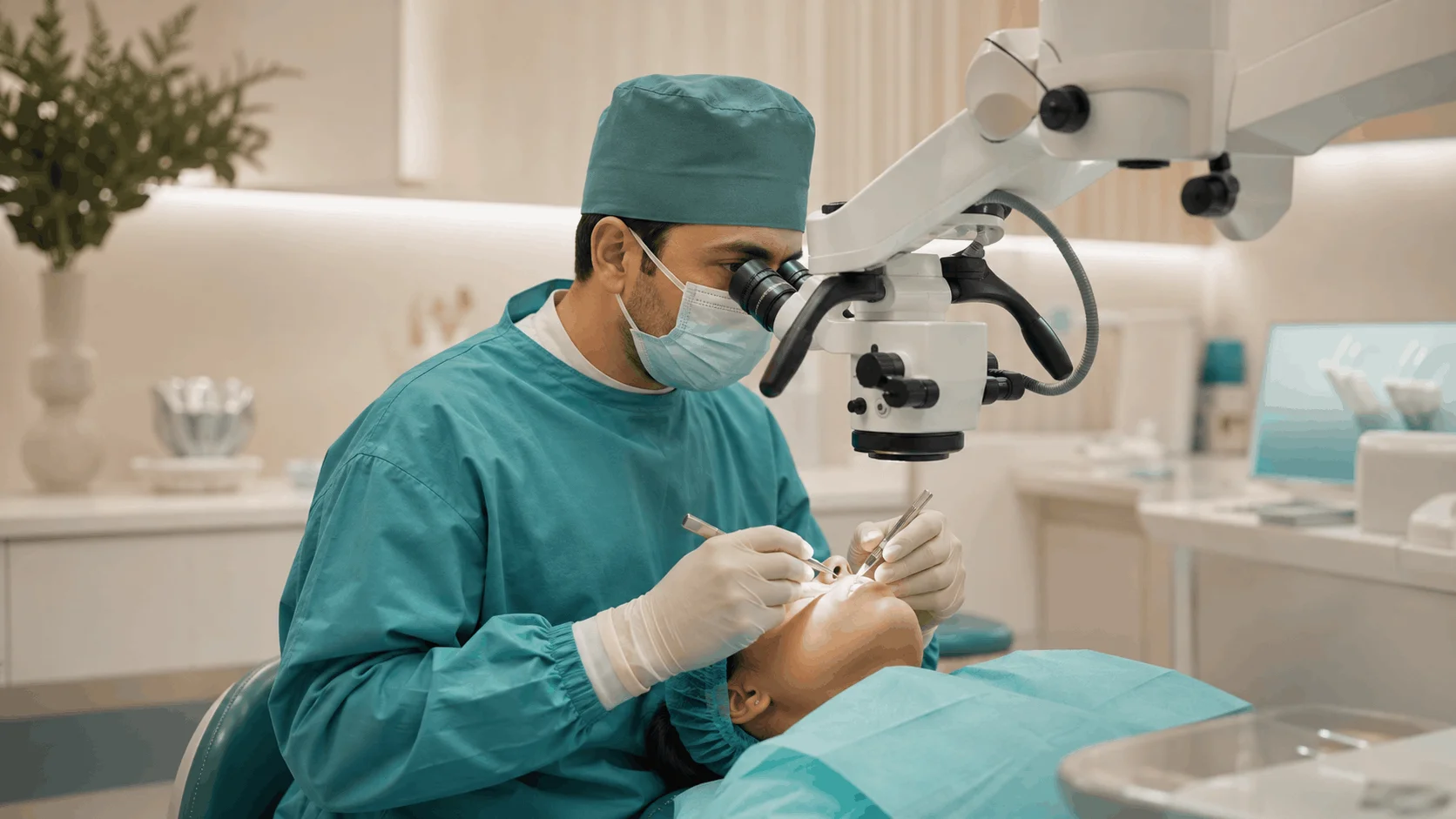
Modern gum grafting is considered a minimally invasive microsurgical procedure.
Treatment generally includes the following steps:
- Comprehensive examination.
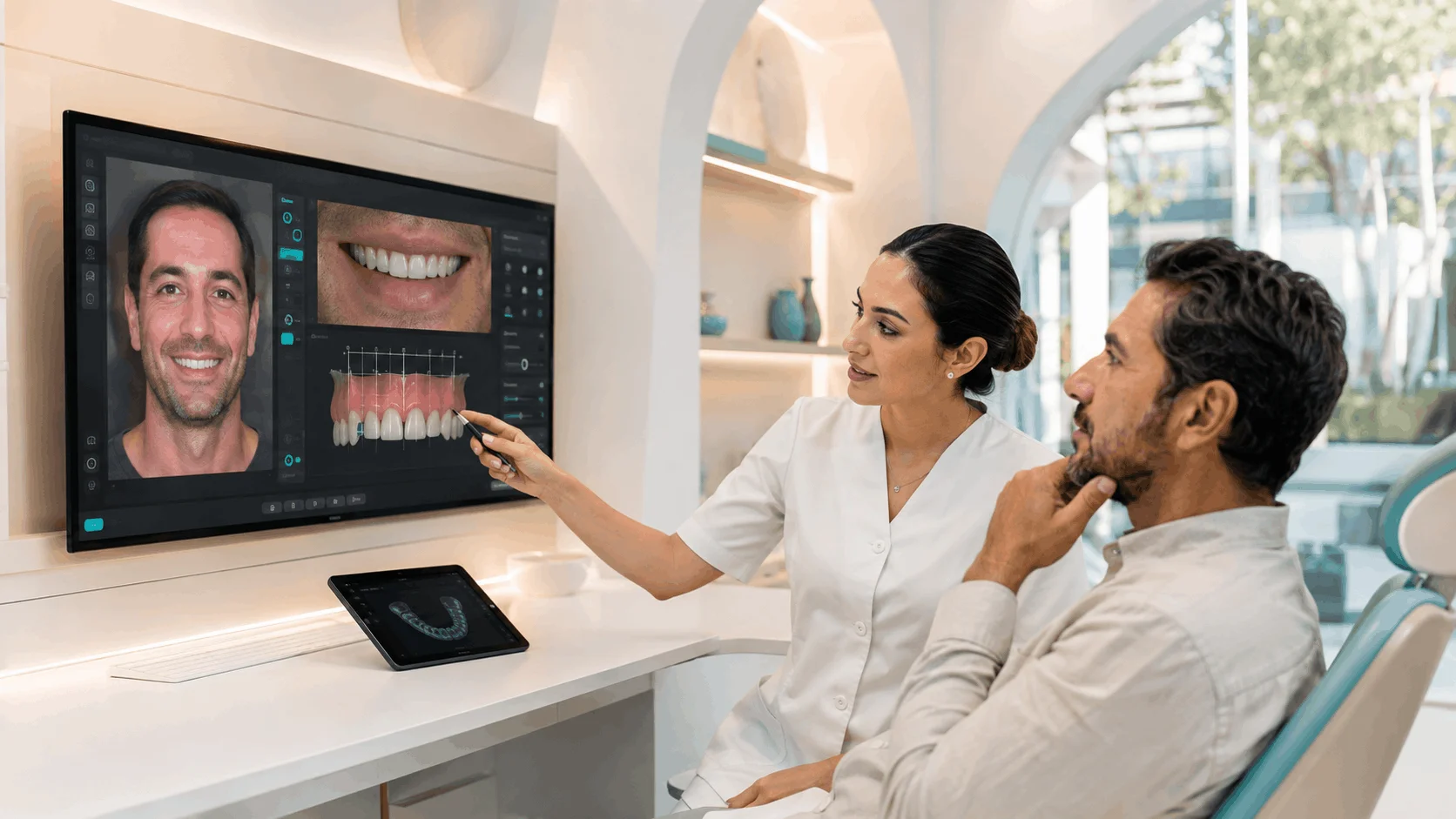
- Digital treatment planning.
- Local anesthesia.
- Preparation of the treatment site.
- Soft tissue repositioning or graft placement.
- Stabilization with microsurgical sutures.
- Follow-up monitoring during healing.
Most procedures are performed on an outpatient basis.
Which Techniques Are Used?
The most appropriate technique depends on the patient's clinical condition.
Modern periodontal surgery may involve:
- connective tissue grafts;
- coronally advanced flap procedures;
- tunnel techniques;
- soft tissue biomaterials;
- microsurgical soft tissue augmentation.
All techniques are designed to preserve healthy tissues while achieving stable long-term results.
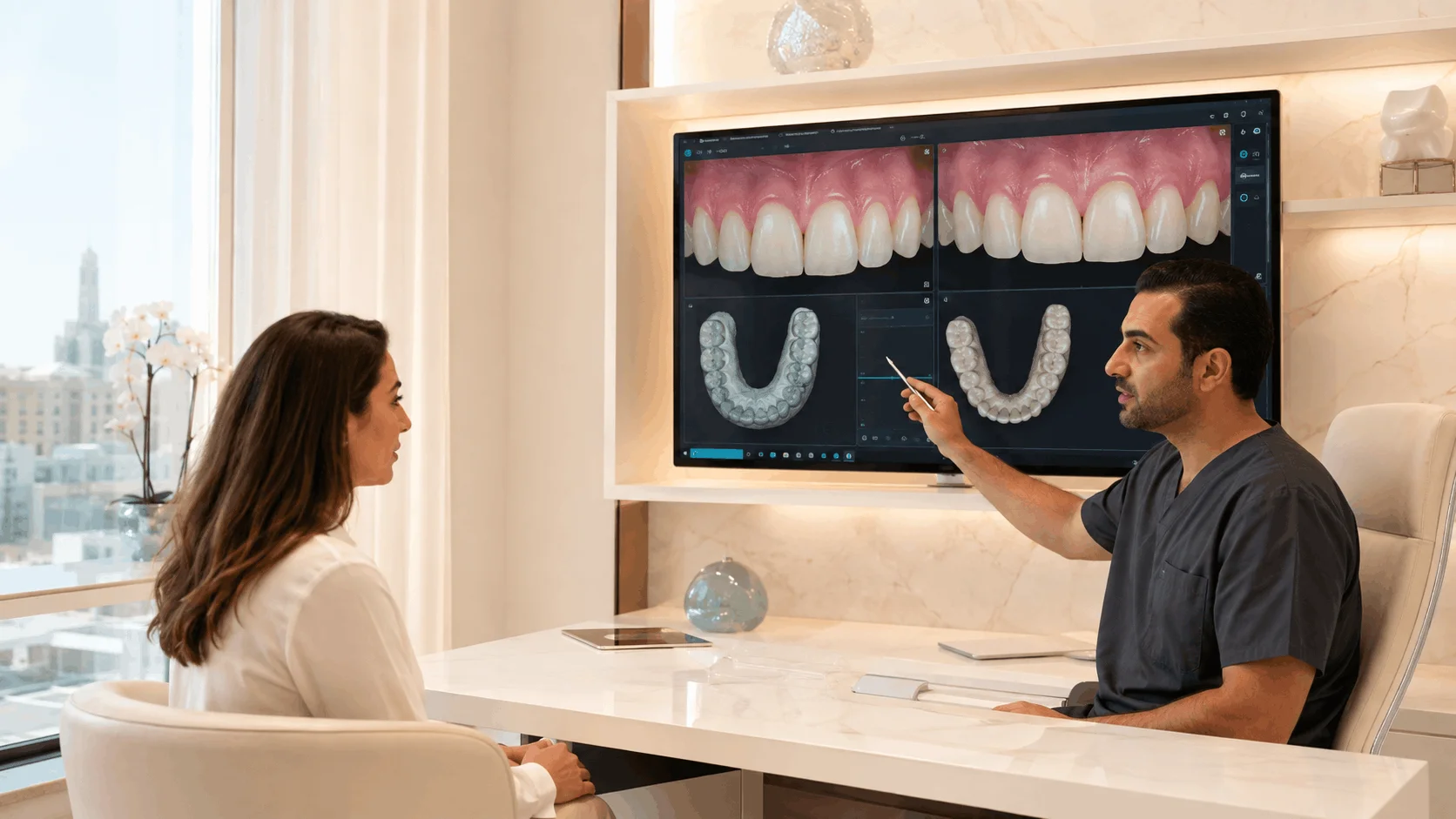
How Do Digital Technologies Help?
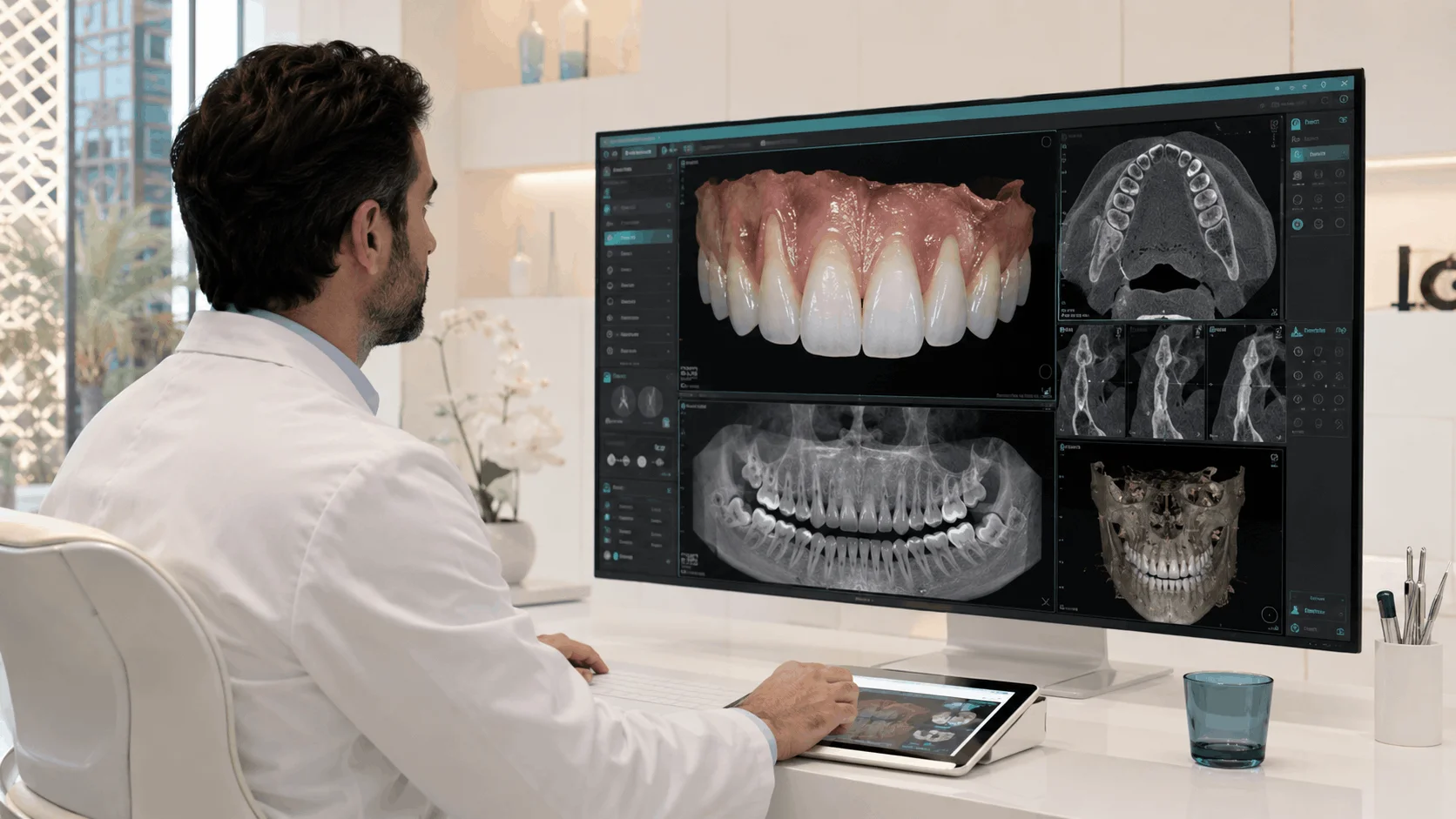
Modern digital technologies make treatment planning significantly more accurate.
Dentists may use:
- Cone Beam Computed Tomography (CBCT);
- intraoral 3D scanning;
- digital smile photography;
- smile analysis;
- virtual treatment simulation.
In leading dental clinics across Dubai, digital planning helps clinicians evaluate soft tissue conditions and select the most appropriate surgical technique before treatment begins.
What Is Recovery Like?
Following gum grafting, patients should carefully follow their dentist's recommendations.
Typical postoperative advice includes:
- maintaining gentle oral hygiene;
- avoiding trauma to the treated area;
- eating soft foods during the initial healing period;
- taking prescribed medications as instructed;
- attending follow-up appointments.
Healing time depends on the extent of the procedure and each patient's individual healing response.
When Is Gum Grafting Especially Beneficial?
Clinical Situation |
Potential Benefits |
|---|---|
| Gum recession | Covers exposed roots and reduces sensitivity |
| Dental implants | Improves soft tissue stability and aesthetics |
| Thin gingival biotype | Increases tissue thickness |
| Smile aesthetic correction | Creates a harmonious gum line |
| Comprehensive oral rehabilitation | Supports long-term treatment stability |

Healthy gum tissue is just as important as healthy teeth and dental implants. Gum grafting helps protect exposed tooth roots, improve smile aesthetics, and create stable soft tissue around implants for long-term success. Thanks to modern microsurgical techniques and digital treatment planning, these procedures have become more precise, predictable, and comfortable than ever before.
If you have noticed receding gums, changes in your gum line, or are planning dental implant treatment, contact Factor Smile in Dubai. Our specialists will perform a comprehensive digital evaluation, assess the condition of your soft tissues, and develop a personalized treatment plan using advanced gum grafting techniques and modern digital technologies.
Frequently Asked Questions