
How to Recognize Bite Problems in a Child Before Permanent Teeth Erupt
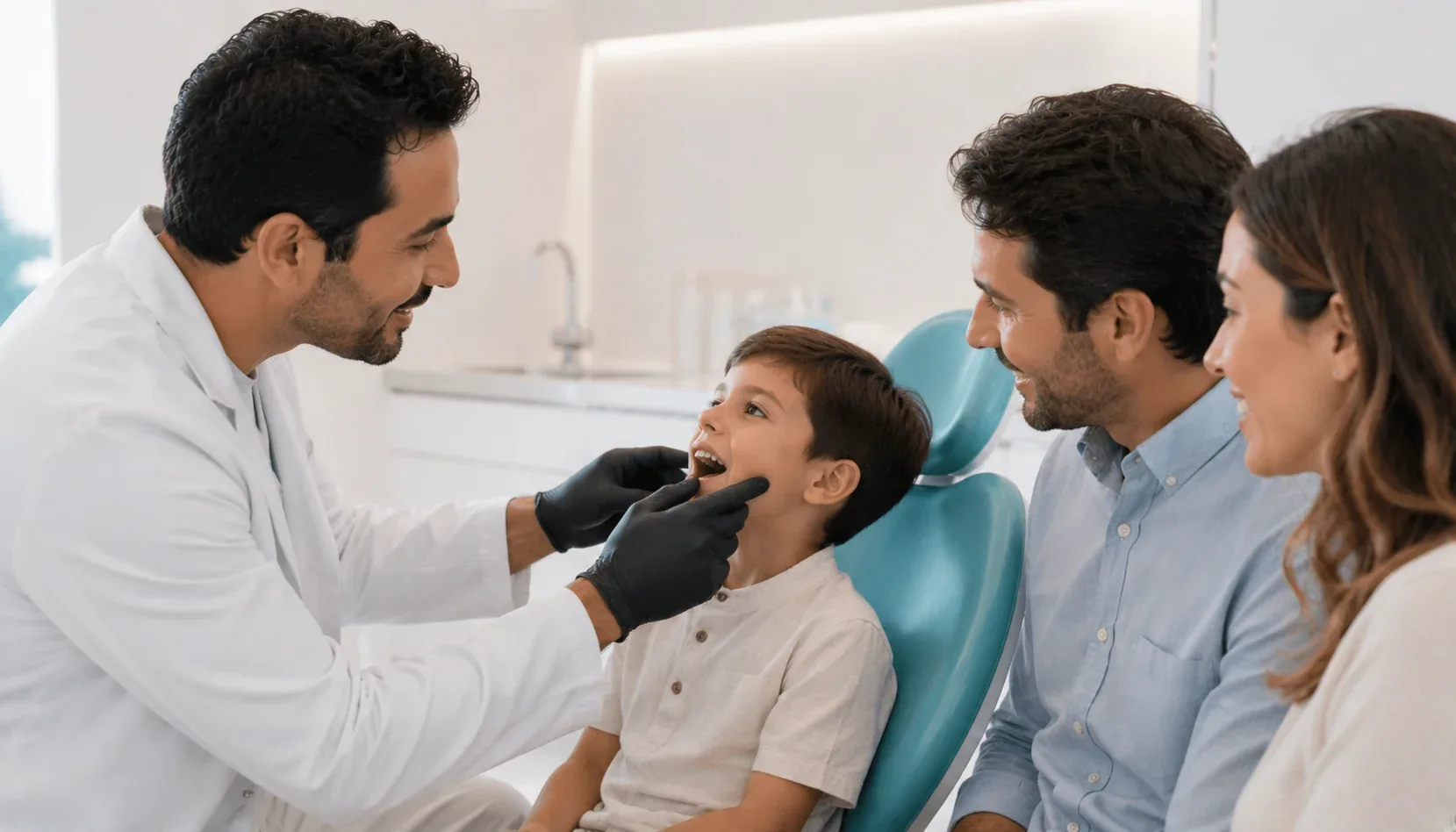
Bite problems can begin developing long before permanent teeth appear. Some warning signs can be noticed as early as ages 3–6. Early detection allows orthodontists to guide jaw development and reduce the likelihood of more complex orthodontic treatment in the future. In modern dental clinics across Dubai, preventive examinations help identify potential bite issues during the primary (baby) teeth stage.
Can Bite Problems Develop During Early Childhood?
Yes. Bite development begins in the first years of life and depends not only on the teeth but also on jaw growth, facial muscles, breathing patterns, and oral habits.
Factors that may influence bite development include:
- hereditary characteristics;
- prolonged pacifier use;
- thumb sucking;
- mouth breathing;
- early loss of baby teeth;
- swallowing disorders;
- improper tongue posture.
Many orthodontic issues become noticeable long before permanent teeth erupt.
What Is Considered Normal?
During the primary dentition stage, small gaps between baby teeth are often completely normal.
This happens because:
- the jaws continue to grow;
- permanent teeth are larger than baby teeth;
- space is needed for proper eruption of permanent teeth.
However, certain signs should be evaluated by a specialist.
Common Signs of Possible Bite Problems
1. The Child Consistently Breathes Through the Mouth
Mouth breathing can affect jaw growth and tooth positioning.
Potential consequences include:
- narrowing of the upper jaw;
- dental crowding;
- changes in facial profile;
- altered facial growth patterns.
2. Improper Tooth Alignment When Biting
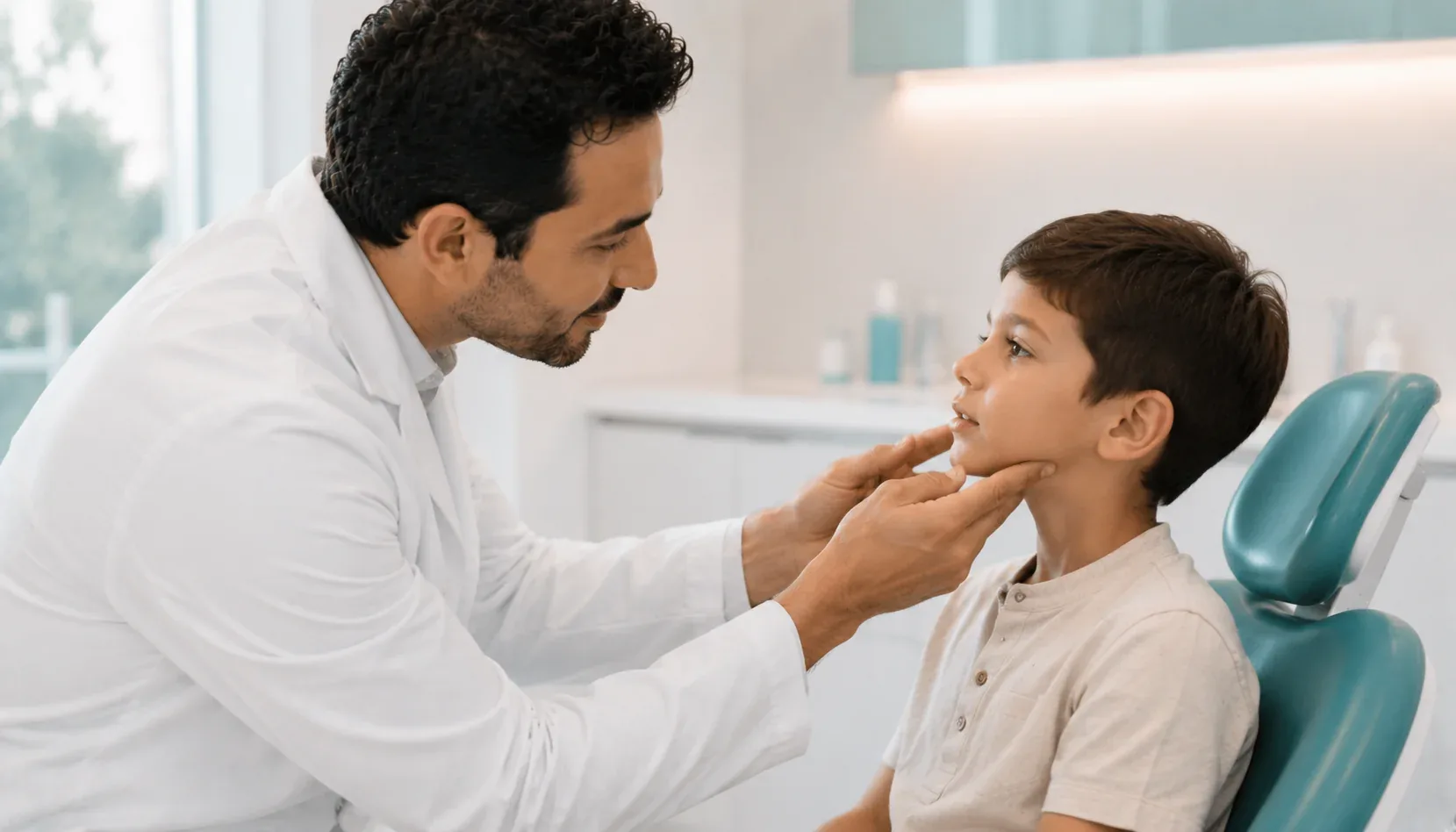
An orthodontic consultation may be recommended if:
- the upper teeth protrude significantly;
- the lower jaw appears too small;
- the lower teeth overlap the upper teeth;
- the teeth do not meet evenly.
3. No Spaces Between Baby Teeth
Tightly packed baby teeth are not always a positive sign.
In some cases, they may indicate insufficient space for future permanent teeth.
This can increase the risk of:
- crowding;
- improper tooth eruption;
- future orthodontic treatment needs.
4. Early Loss of Baby Teeth
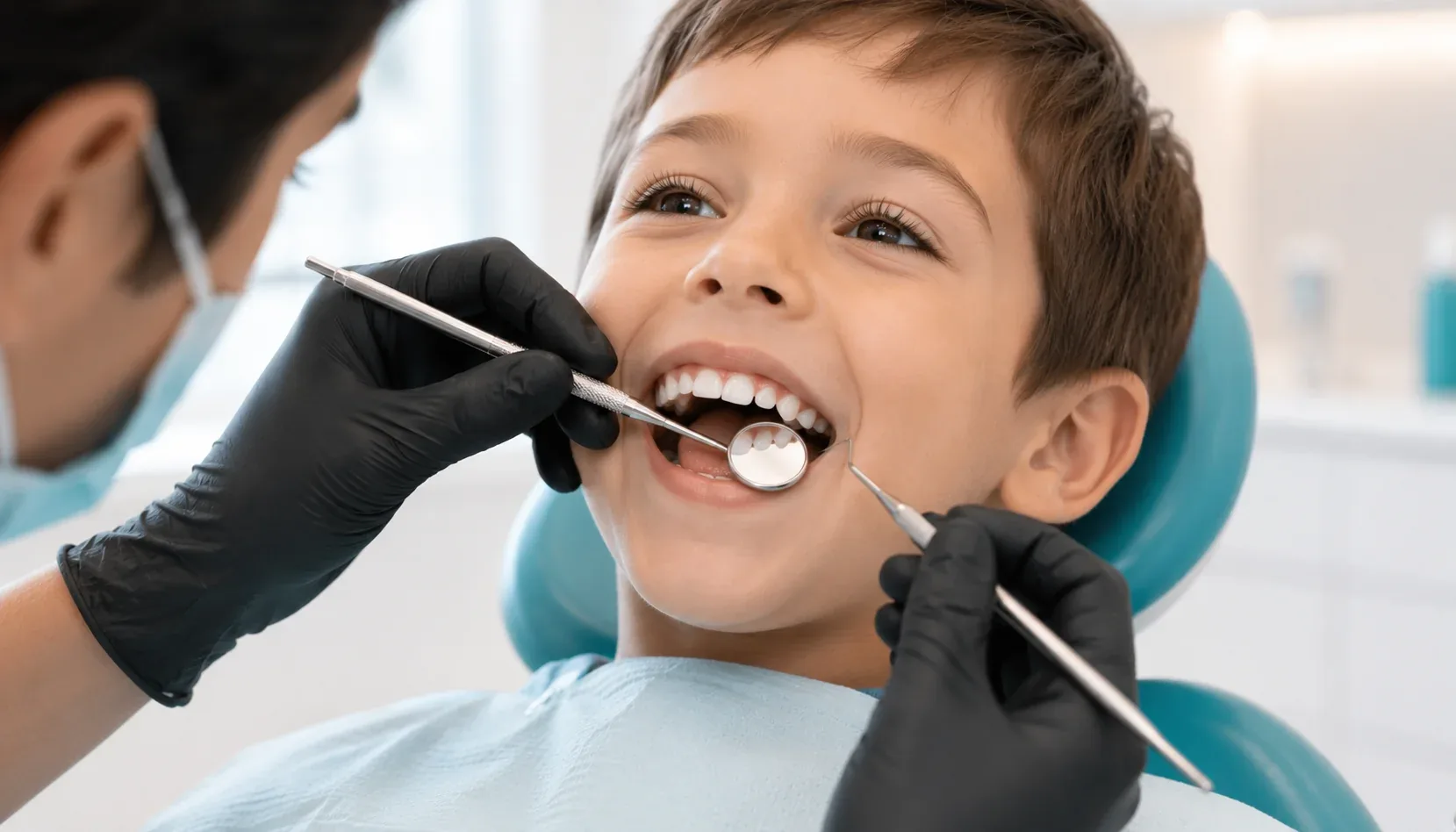
Primary teeth play an important role in preserving space for permanent teeth.
When a baby tooth is lost prematurely:
- neighboring teeth may shift;
- the position of developing permanent teeth may be affected;
- the risk of bite problems increases.
5. Speech Difficulties
Some speech issues may be associated with jaw development and tongue positioning.
Particular attention should be paid to:
- tongue-thrust speech patterns;
- articulation difficulties;
- incorrect tongue posture during speech.
When Should a Child See an Orthodontist?
Modern orthodontic recommendations suggest an initial orthodontic evaluation much earlier than adolescence.
Reasons to schedule a consultation include:
- harmful oral habits;
- breathing difficulties;
- facial asymmetry;
- delayed or abnormal tooth eruption;
- premature loss of baby teeth;
- concerns about jaw growth.
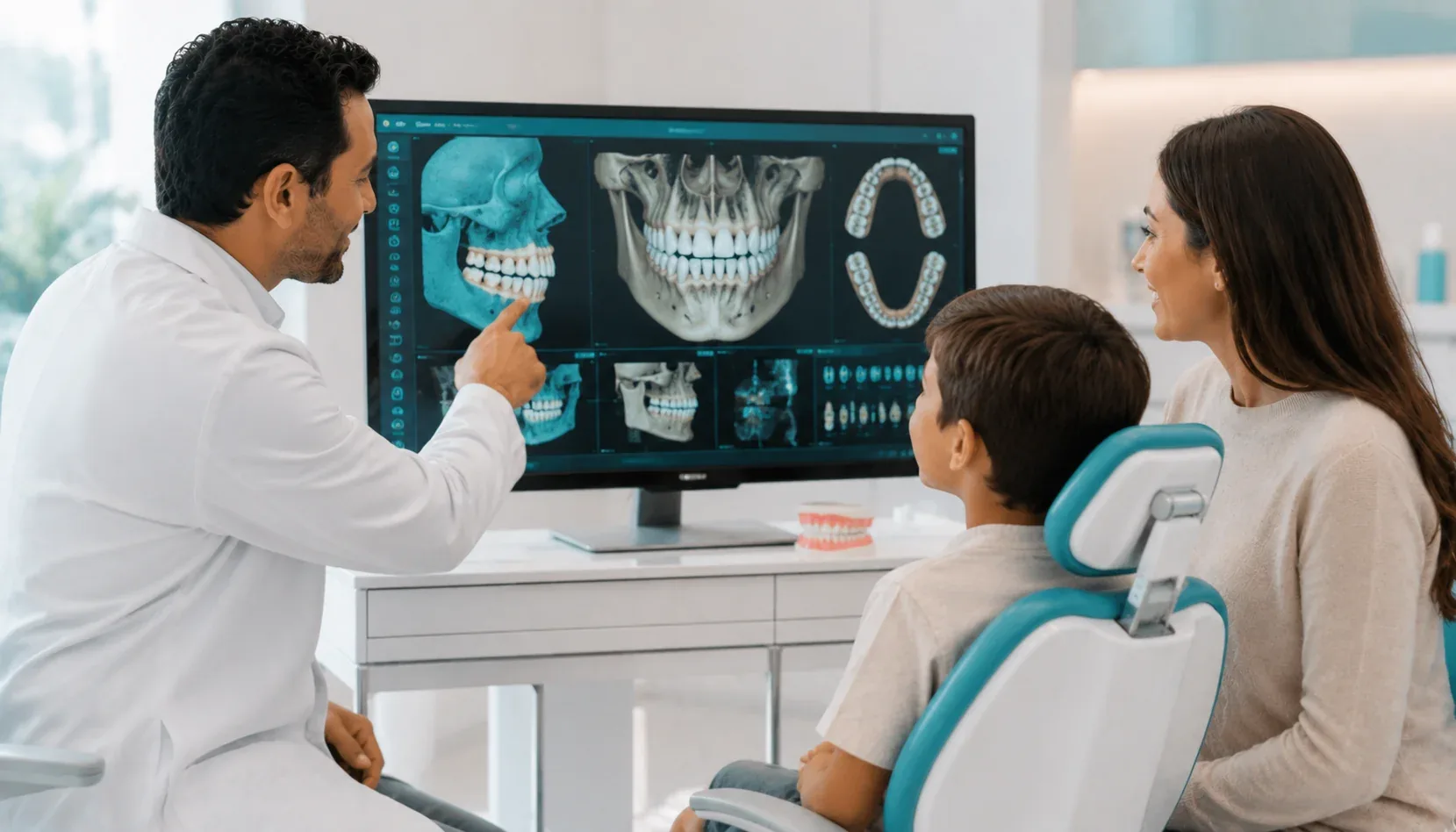
Dental centers in Dubai frequently use digital diagnostic technologies to evaluate the development of the teeth and jaws at an early stage.

What Early Treatment Options Are Available?
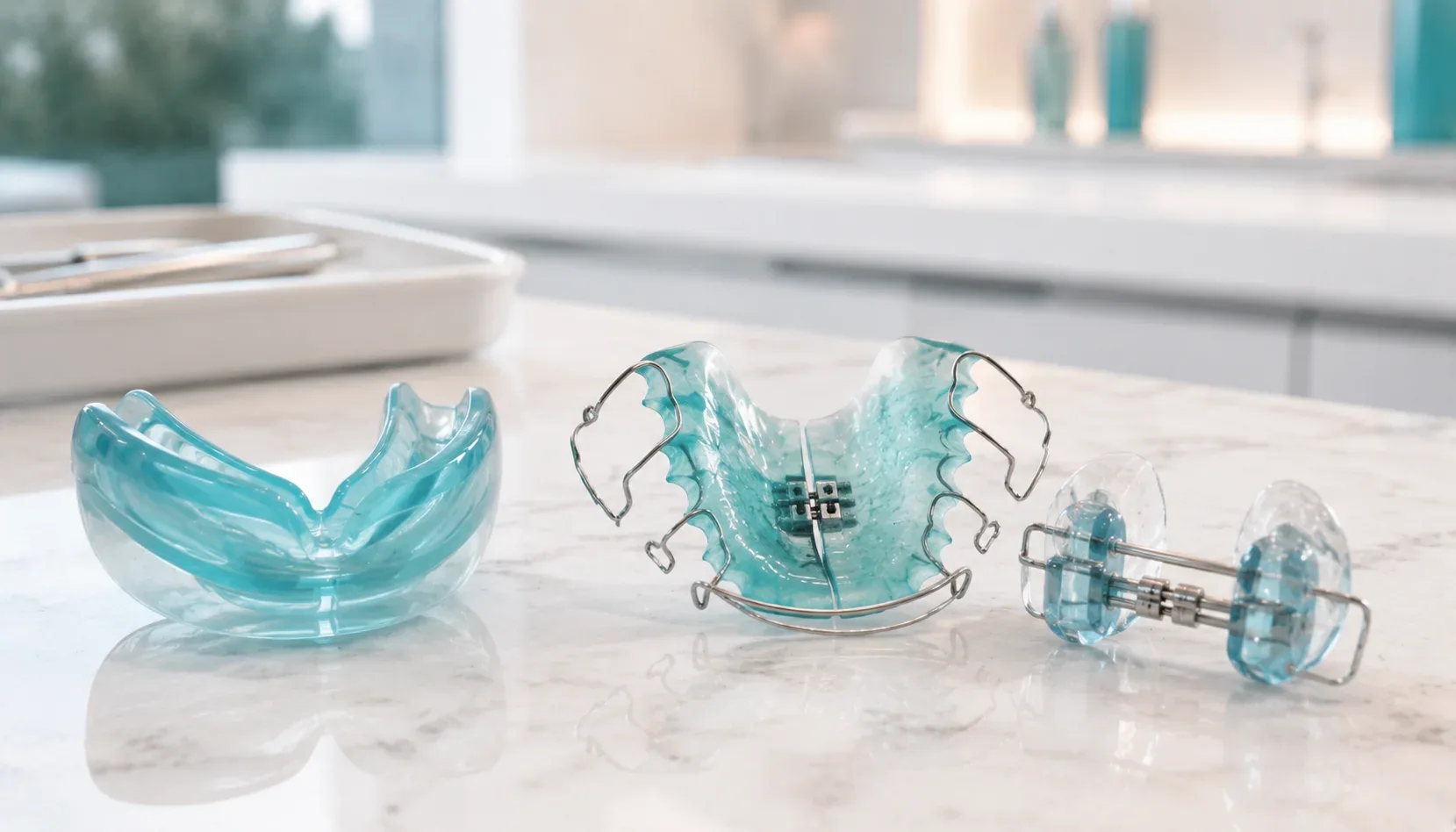
Early orthodontic treatment does not necessarily mean braces.
Depending on the individual case, treatment may include:
- preventive orthodontic appliances;
- myofunctional trainers;
- removable orthodontic plates;
- jaw expansion devices;
- correction of breathing and muscle habits.
The primary goal is to guide jaw development before more significant orthodontic problems develop.
Why Is Early Diagnosis So Important?
Early diagnosis offers several advantages:
| Benefit | Potential Result |
| Monitoring jaw growth | More harmonious facial development |
| Preserving space for permanent teeth | Reduced risk of crowding |
| Correcting harmful habits | Improved bite development |
| Early identification of abnormalities | Simpler treatment options |
| Monitoring facial growth | Better facial balance and proportions |
The foundation of a healthy bite is established long before permanent teeth erupt. Many orthodontic issues can be detected during the preschool years, when preventive measures and early intervention are often most effective. Regular examinations help monitor the development of the teeth and jaws and allow timely action when needed.
If you have concerns about your child’s bite development or would like to evaluate the growth of their teeth and jaws, contact Factor Smile in Dubai. Our specialists can perform a comprehensive assessment and determine whether monitoring or early orthodontic intervention is recommended to support healthy smile development.
Medically reviewed by Dr. Gultach Matiyeva, DHA-licensed dentist at Factor Smile