
Bone Grafting Before Dental Implants: When Is It Really Necessary?
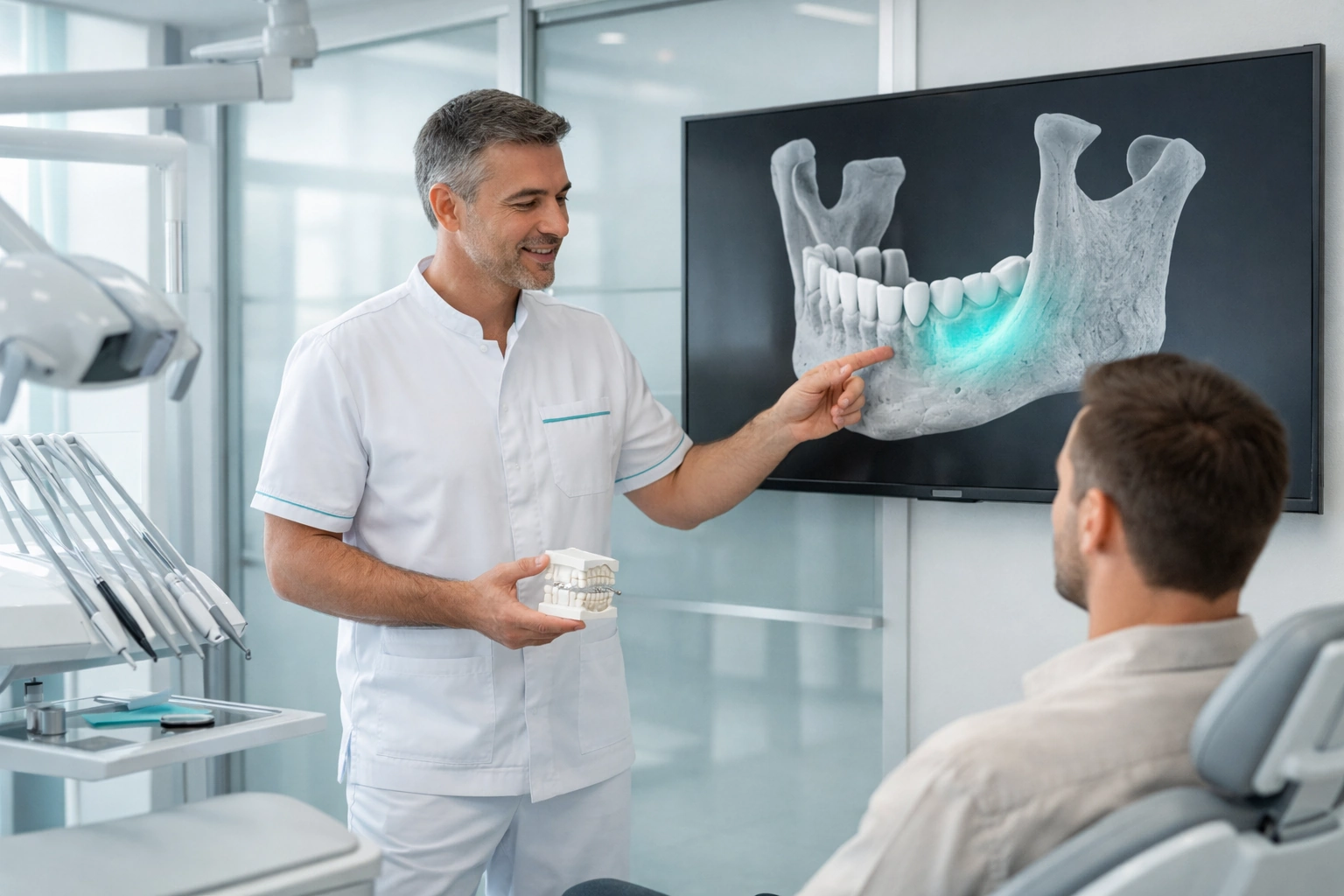 Bone grafting before dental implant placement is required when the volume or density of the patient’s own jawbone is insufficient to securely anchor the implant. Without adequate bone support, implant stability and long-term success may be compromised. The decision is made only after comprehensive 3D diagnostics and evaluation of anatomical conditions.
In clinical practice in Dubai, bone grafting is performed strictly based on medical indications and individualized treatment planning.
What Is Bone Grafting?
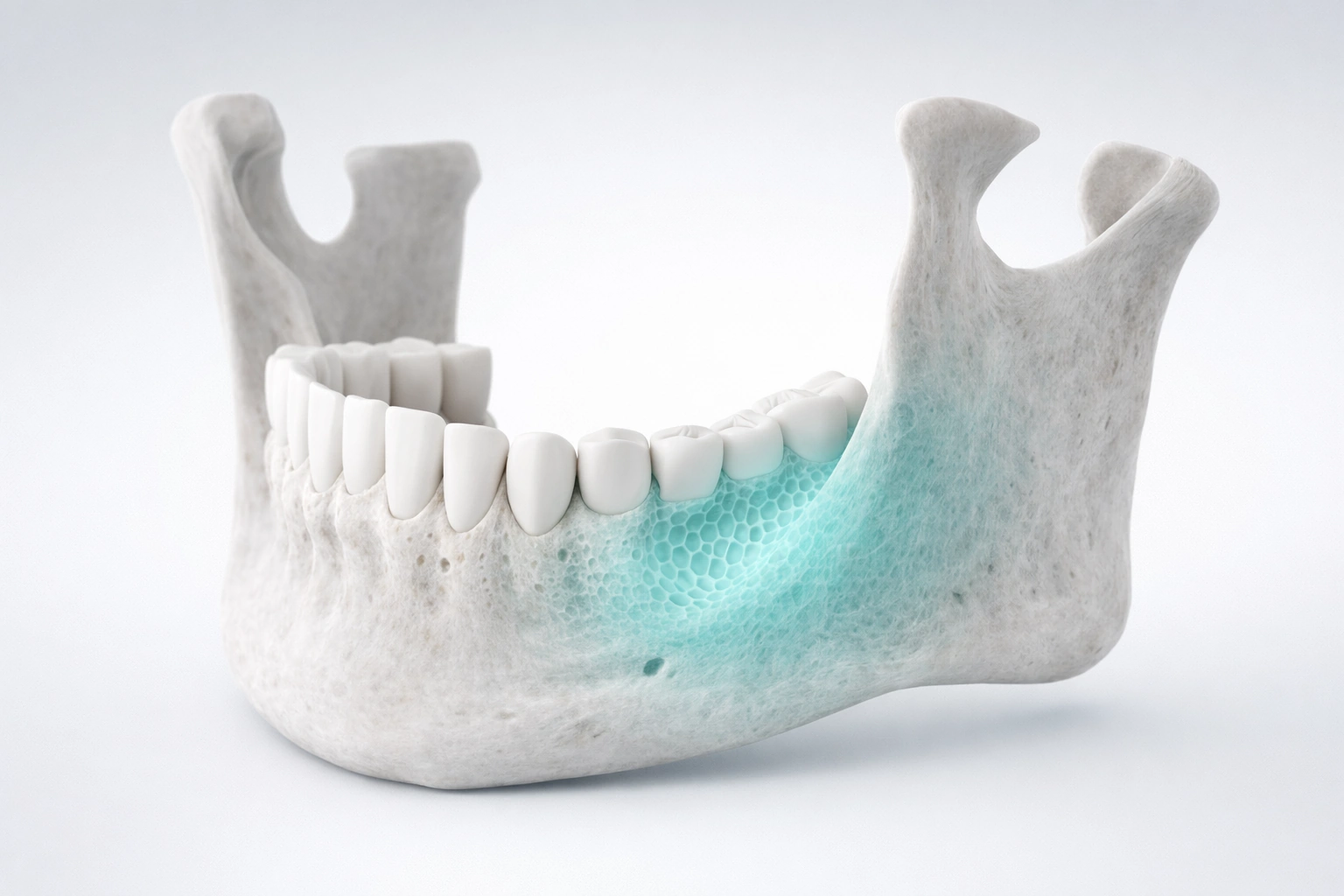
Bone grafting (bone augmentation) is a surgical procedure aimed at restoring or increasing the volume of jawbone before implant placement.
The main objectives are:
- to ensure primary implant stability;
- to create sufficient bone height and width;
- to distribute chewing forces properly;
- to improve long-term predictability of implant treatment.
Bone grafting in dental implant procedures is performed only when it is essential for achieving a stable and durable outcome.
Why Does Bone Loss Occur?
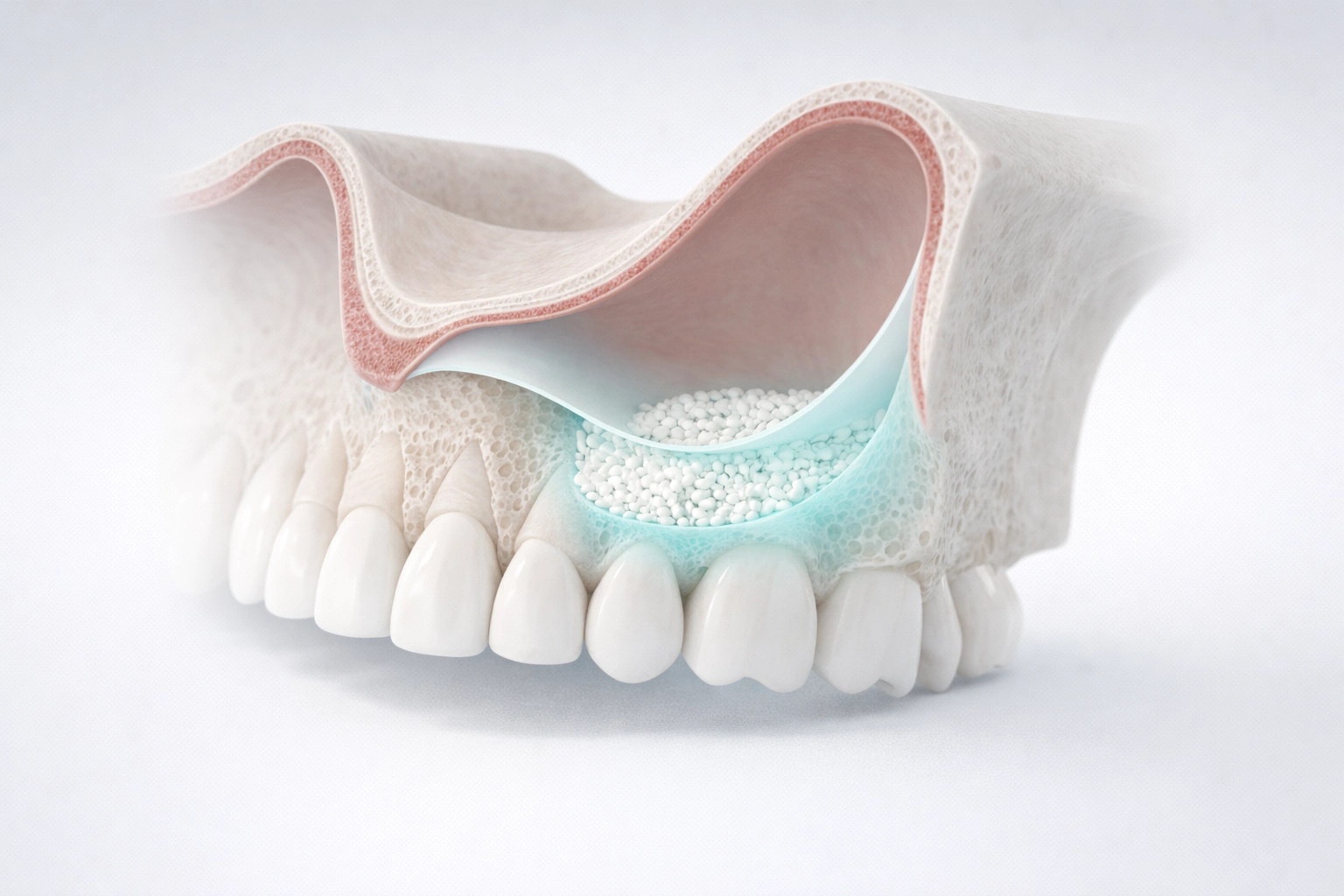
After a tooth is removed, the surrounding bone gradually resorbs. This physiological process may begin within a few months.
The most common causes include:
- long-term absence of a tooth;
- chronic inflammatory processes;
- cysts and apical periodontitis;
- trauma;
- advanced periodontal disease;
- individual anatomical characteristics.
Many patients initially ask how much bone grafting costs for an implant, but the key factor is not cost — it is the extent of bone deficiency, which can only be determined after proper diagnostic imaging.
When Is Bone Grafting Truly Necessary?
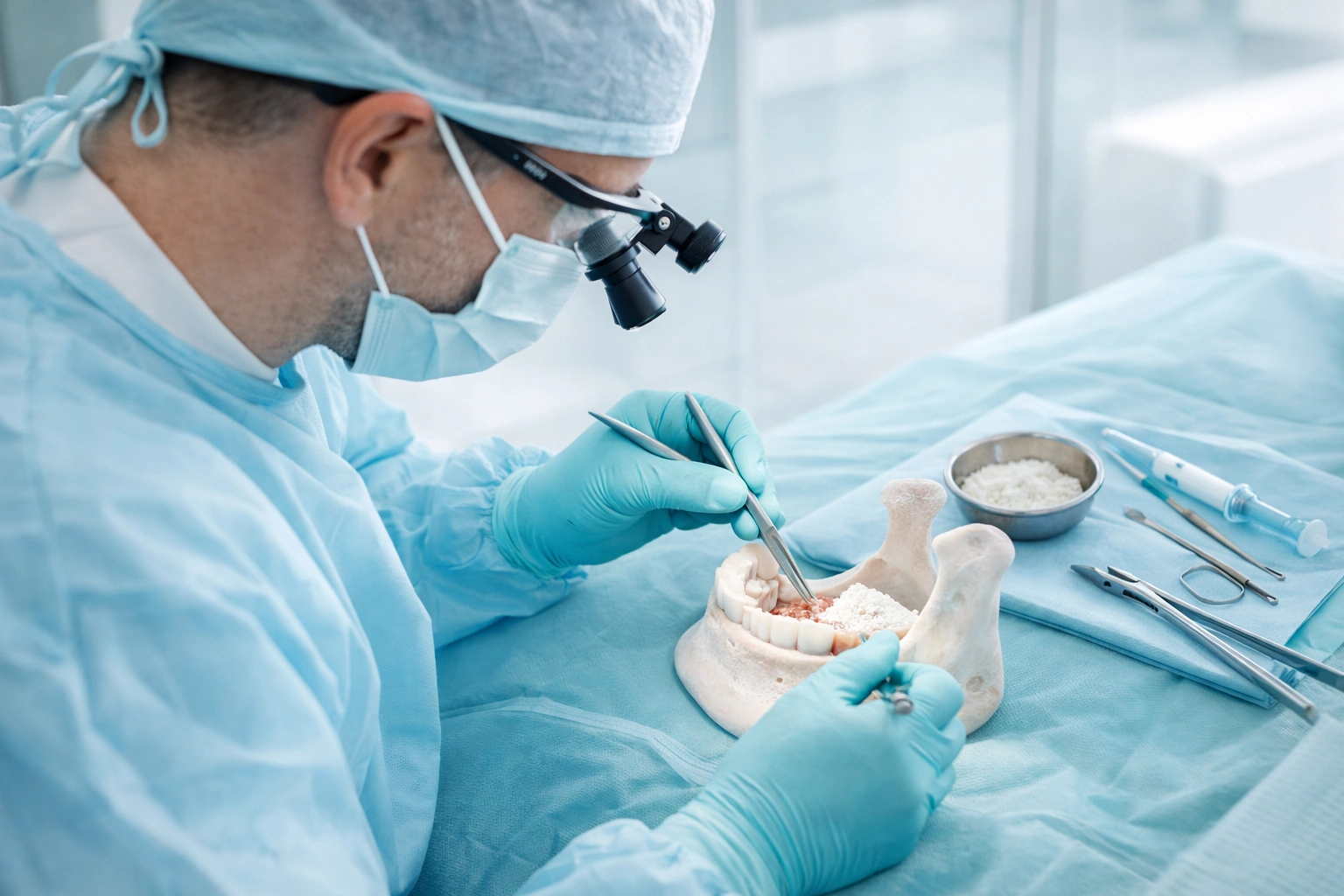
The decision is based on CBCT (3D imaging) findings.
Main Indications
- insufficient bone height;
- narrow alveolar ridge;
- significant bone atrophy after prolonged tooth loss;
- proximity of the maxillary sinus;
- bone defects following cyst removal or chronic infection.
Special attention is required for the lower jaw. Bone grafting of the lower jaw for dental implant placement may be necessary in cases of horizontal or vertical bone loss, particularly in posterior areas.
Lower jaw bone grafting during implant treatment must be carefully planned due to the proximity of the inferior alveolar nerve, requiring precise digital evaluation.
When Can Bone Grafting Be Avoided?
- adequate bone volume confirmed by CBCT;
- immediate implant placement after extraction;
- use of specific implant systems under favorable conditions.
In such situations, additional augmentation may not be required.
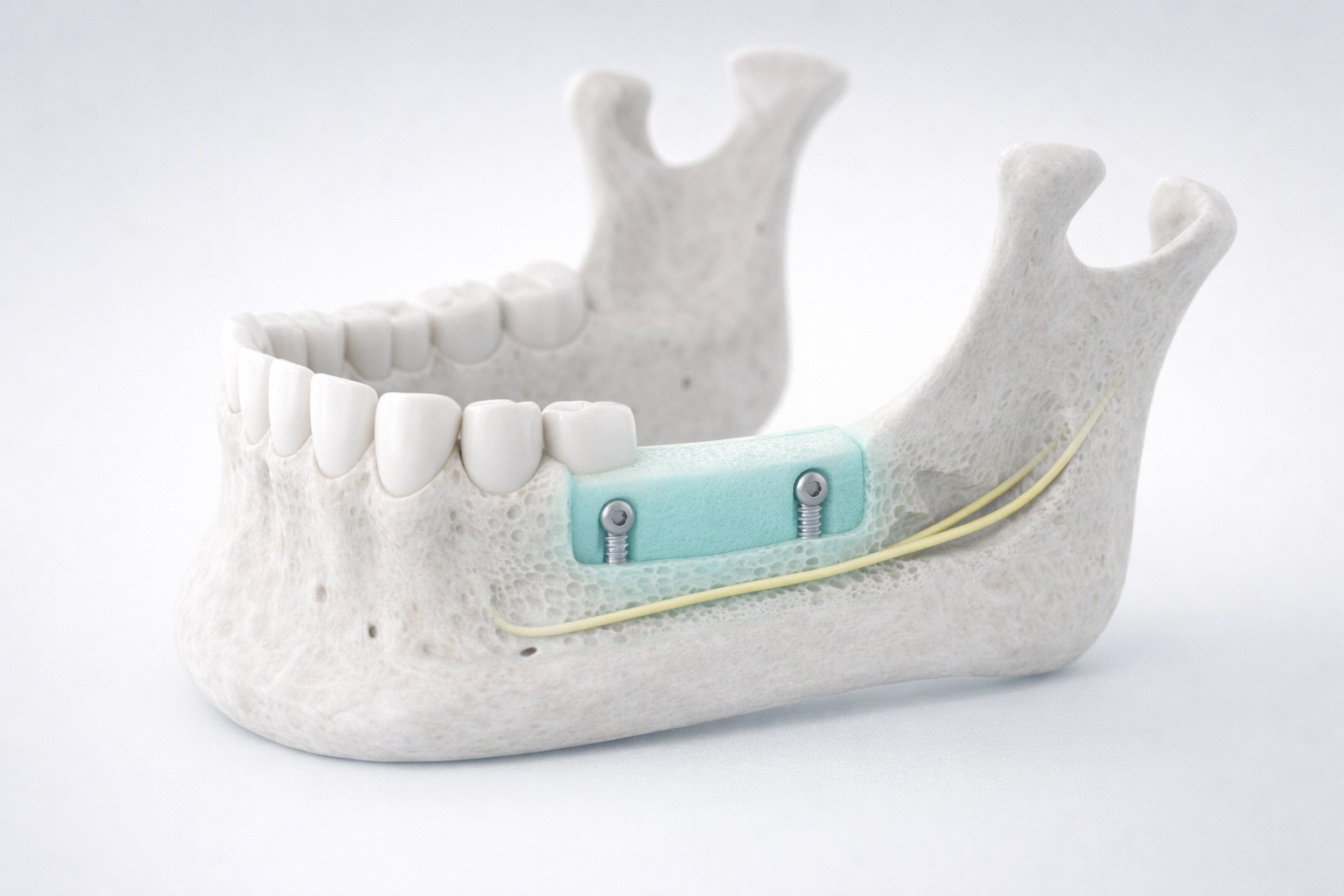
Types of Bone Grafting Procedures
| Method | Indications | Features |
| Guided Bone Regeneration | Localized defects | Use of membranes and bone substitute materials |
| Sinus Lift | Insufficient bone height in upper jaw | Elevation of sinus floor |
| Ridge Splitting | Narrow ridge | Increase in ridge width |
| Block Bone Grafting | Severe atrophy | Use of the patient’s own bone tissue |
The choice of technique depends on the clinical presentation and the degree of bone deficiency.
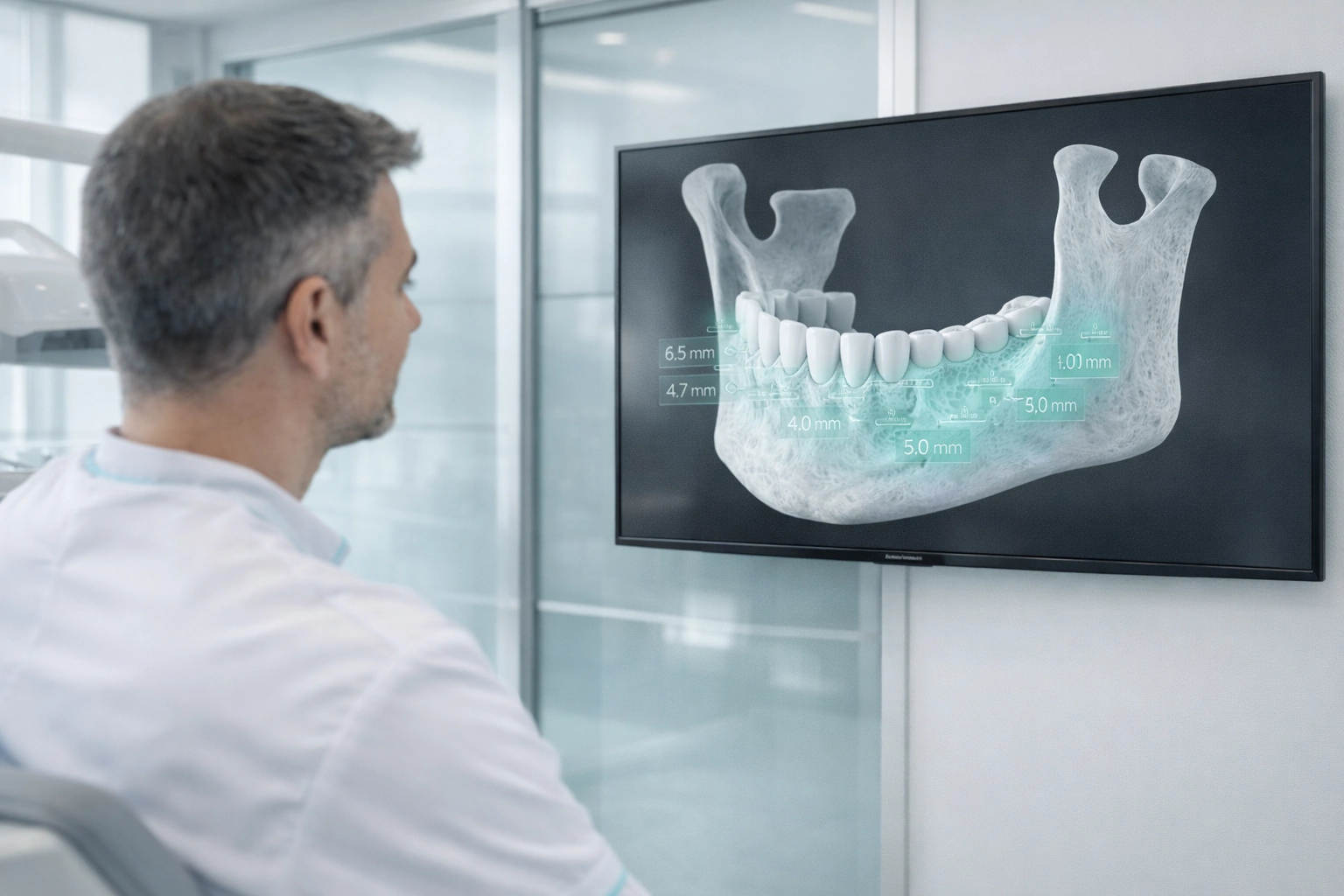
Diagnostic Process
Before implant planning, the following are performed:
- clinical examination;
- 3D CBCT scan;
- assessment of bone density;
- evaluation of the patient’s overall health.
In advanced clinics in Dubai, digital planning and guided surgery protocols allow precise surgical preparation and risk minimization.
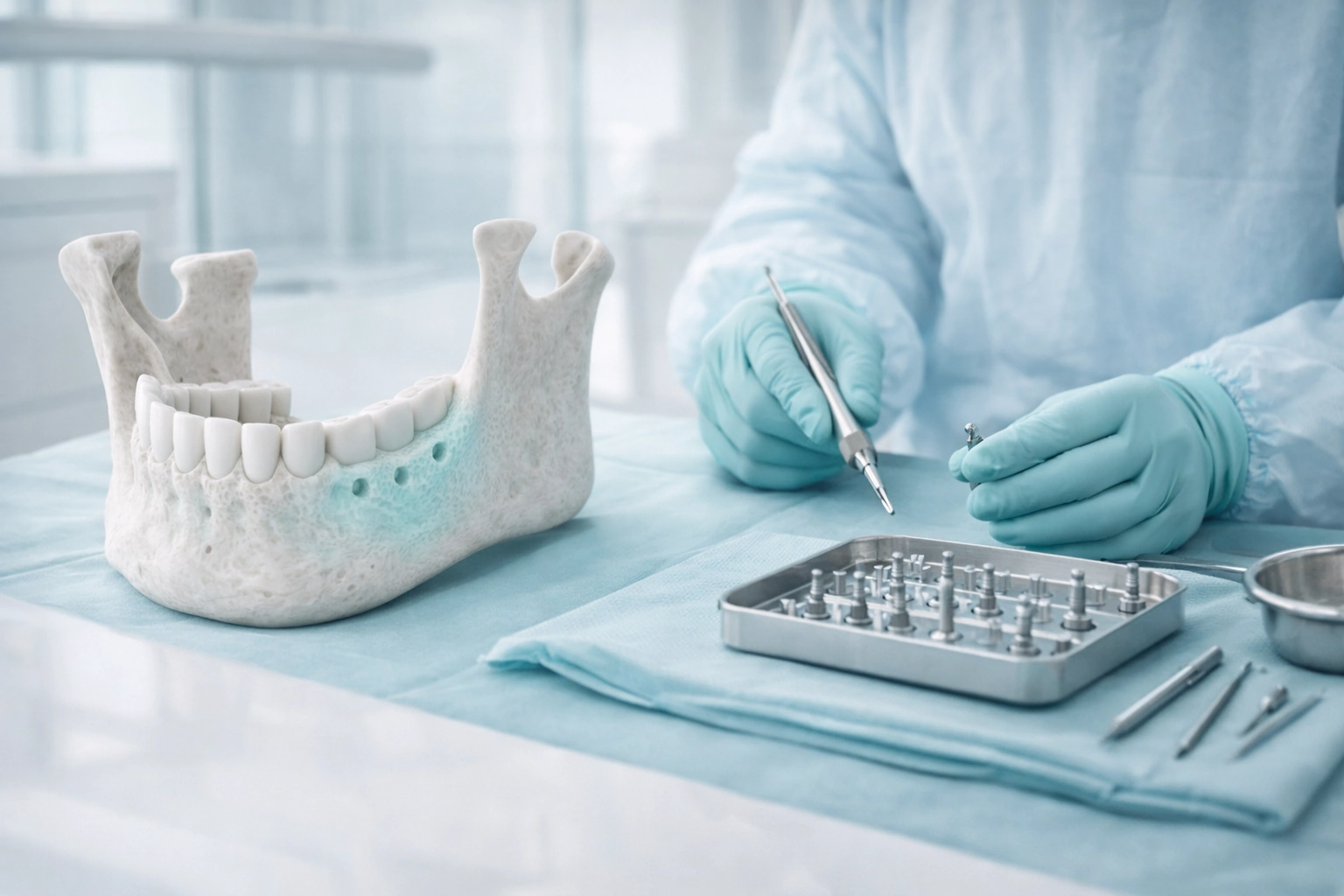
Procedure Stages
- Surgical site preparation.
- Placement of bone graft material.
- Application of a protective membrane when indicated.
- Healing period to allow bone regeneration.
- Implant placement after stable bone formation.
In selected cases, implant placement and bone grafting may be performed simultaneously.
Safety and Predictability
When performed according to established surgical protocols, bone grafting is considered a safe and predictable procedure.
Success depends on:
- absence of active infection;
- patient’s systemic health;
- adherence to post-operative instructions;
- surgeon’s expertise and proper planning.
Patients frequently inquire about how much bone grafting costs for an implant or compare bone grafting prices during dental implant treatment. While treatment approaches may vary, clinical indication and long-term stability always guide decision-making rather than cost alone.
Bone grafting is performed only when truly necessary to ensure stable and long-lasting implant outcomes. Accurate diagnosis and individualized planning allow restoration of lost bone volume and reliable implant fixation.
If you are considering dental implants in Dubai, contact Factor Smile clinic. Our specialists will perform comprehensive 3D diagnostics, assess whether bone grafting is required, and develop a personalized treatment plan tailored to your anatomy and overall health.
Frequently Asked Questions